

Description
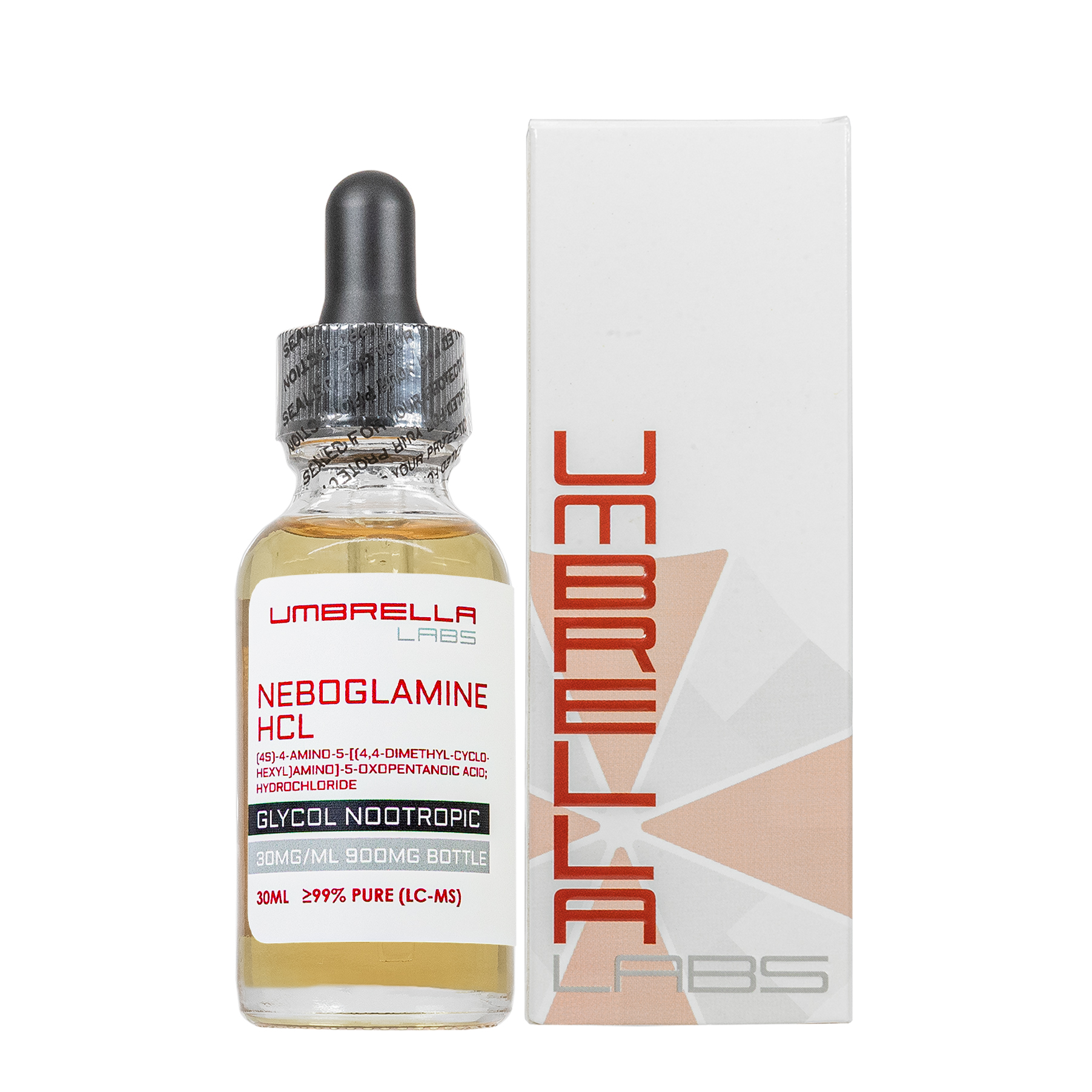
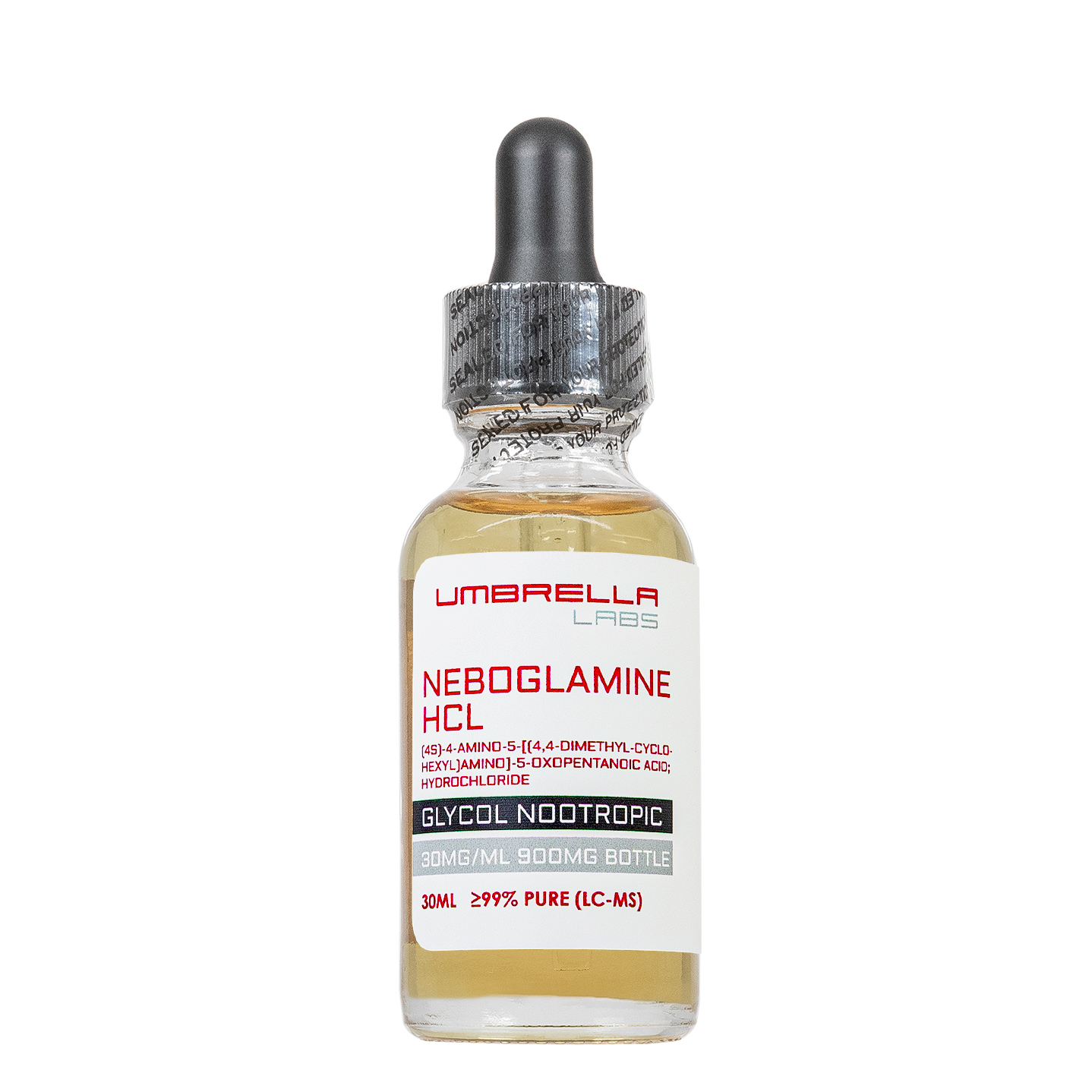
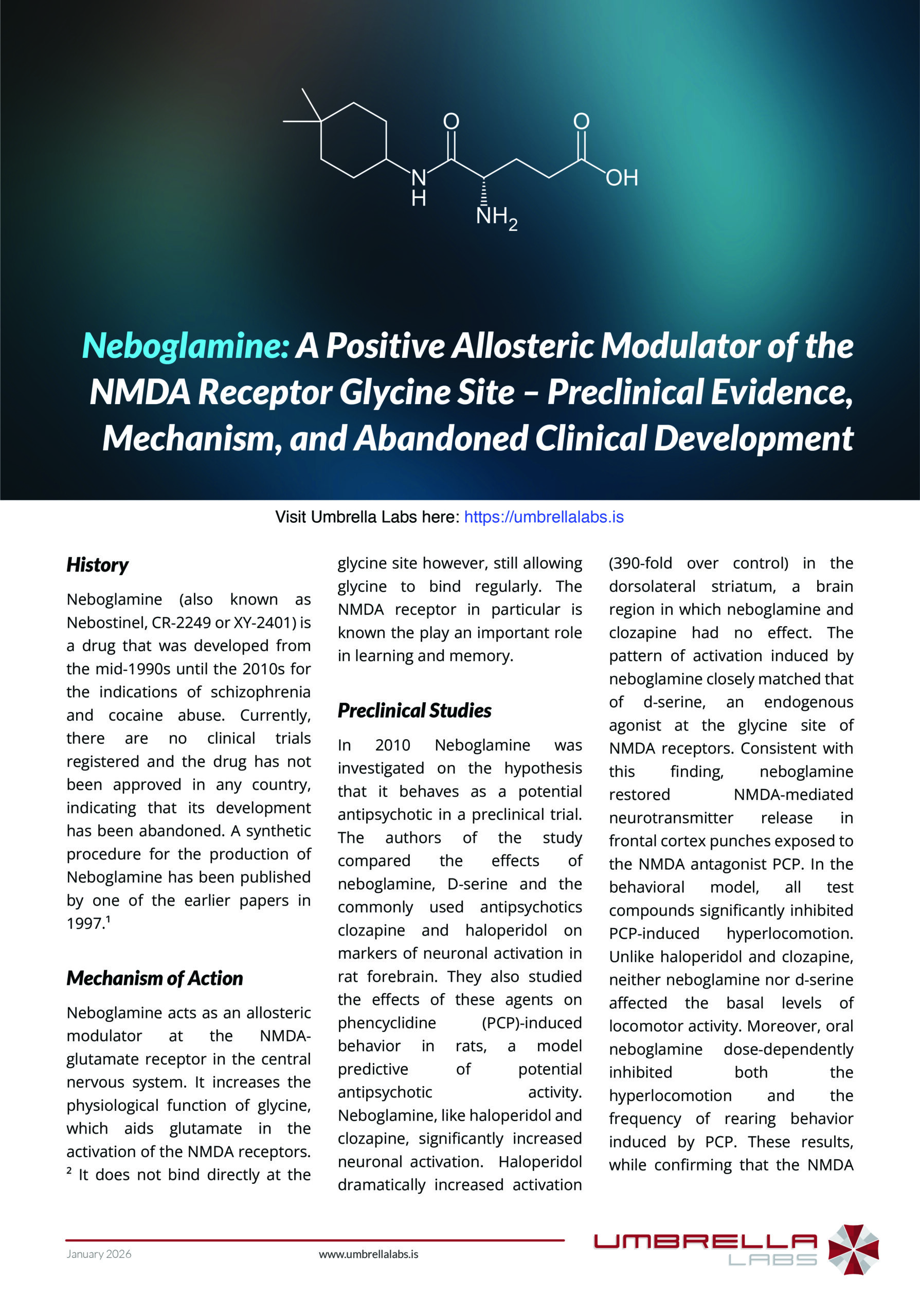
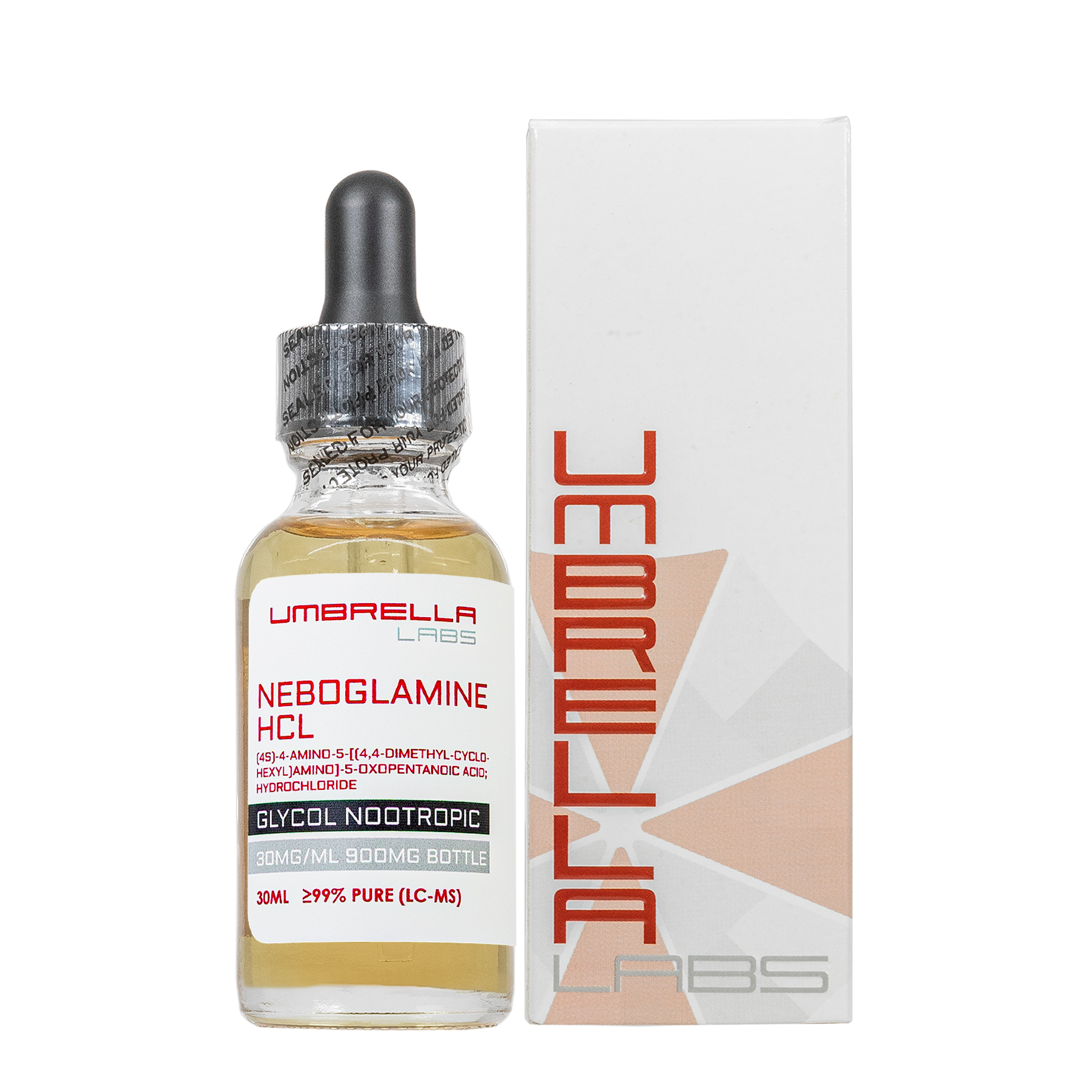
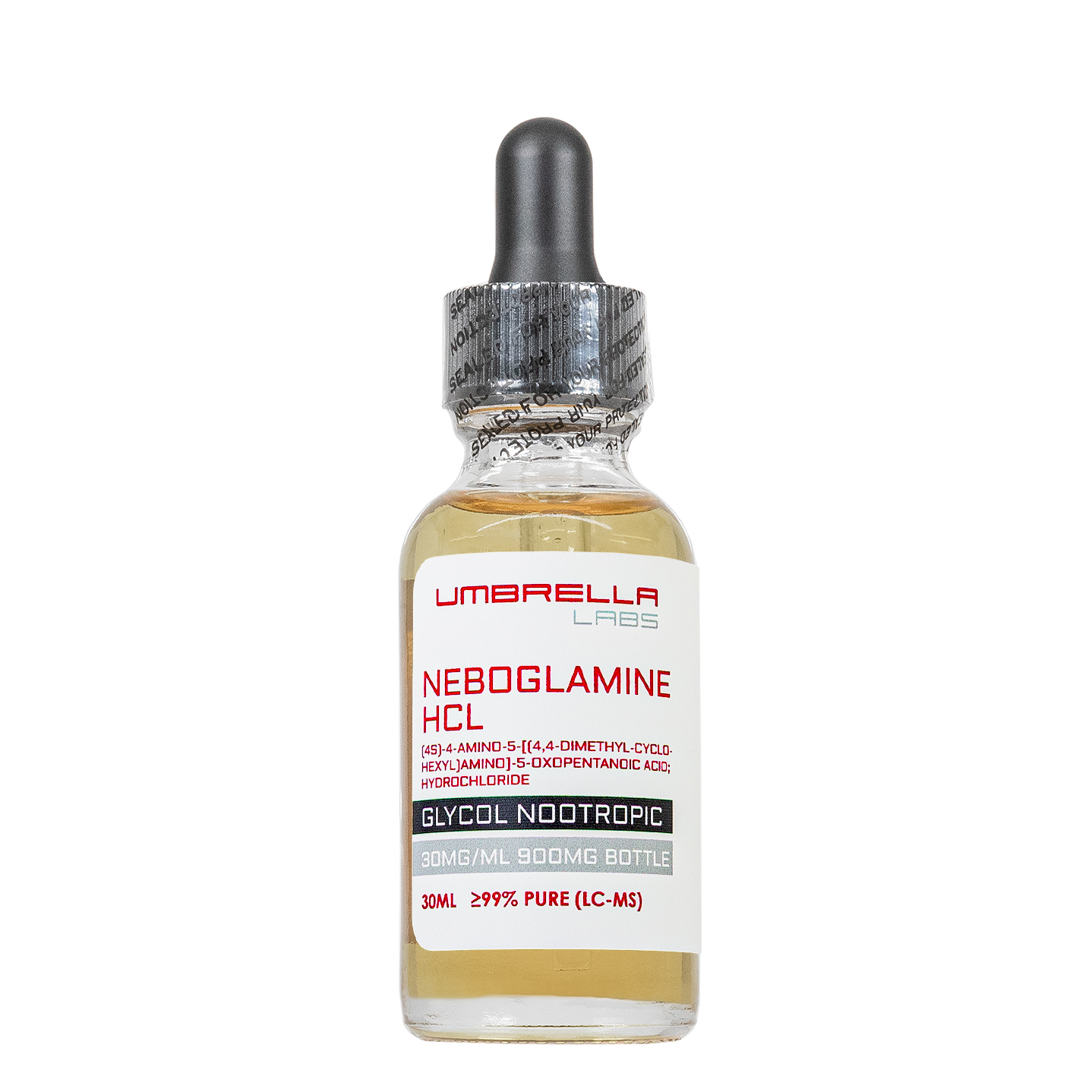
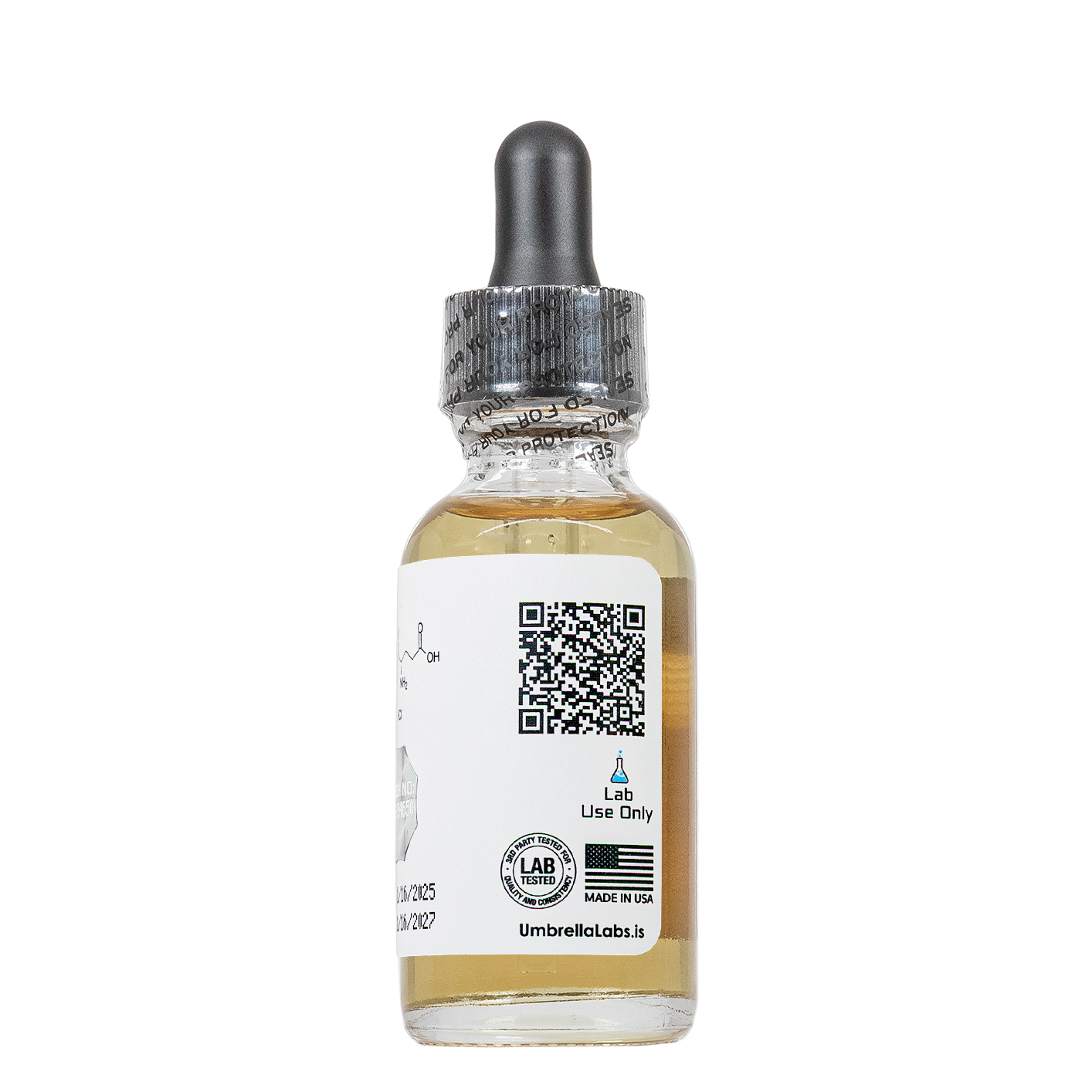
Neboglamine HCl Nootropic Liquid








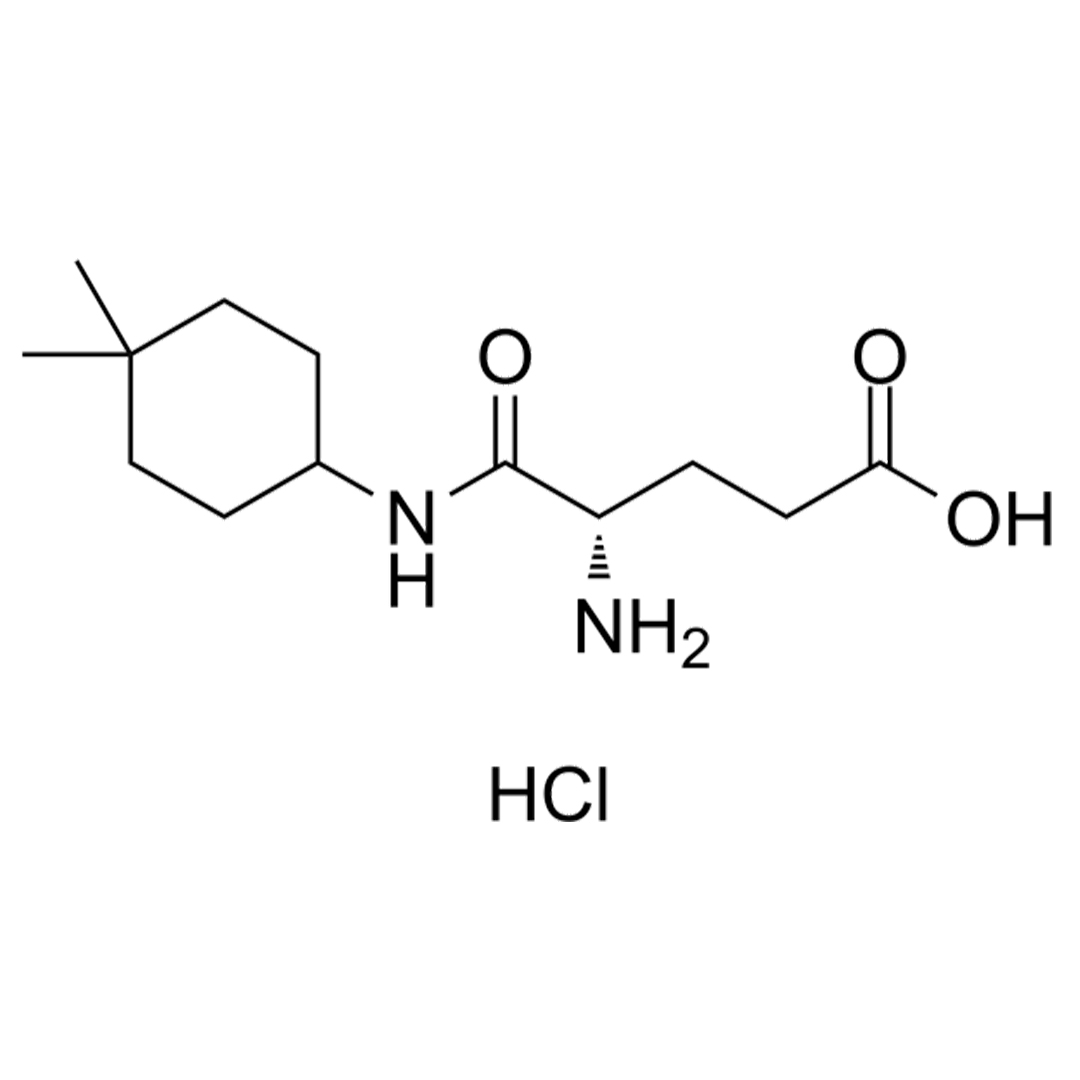
| CAS Number | 2759182-59-5 |
| Other Names | CR-2249 hydrochloride; XY-2401 hydrochloride |
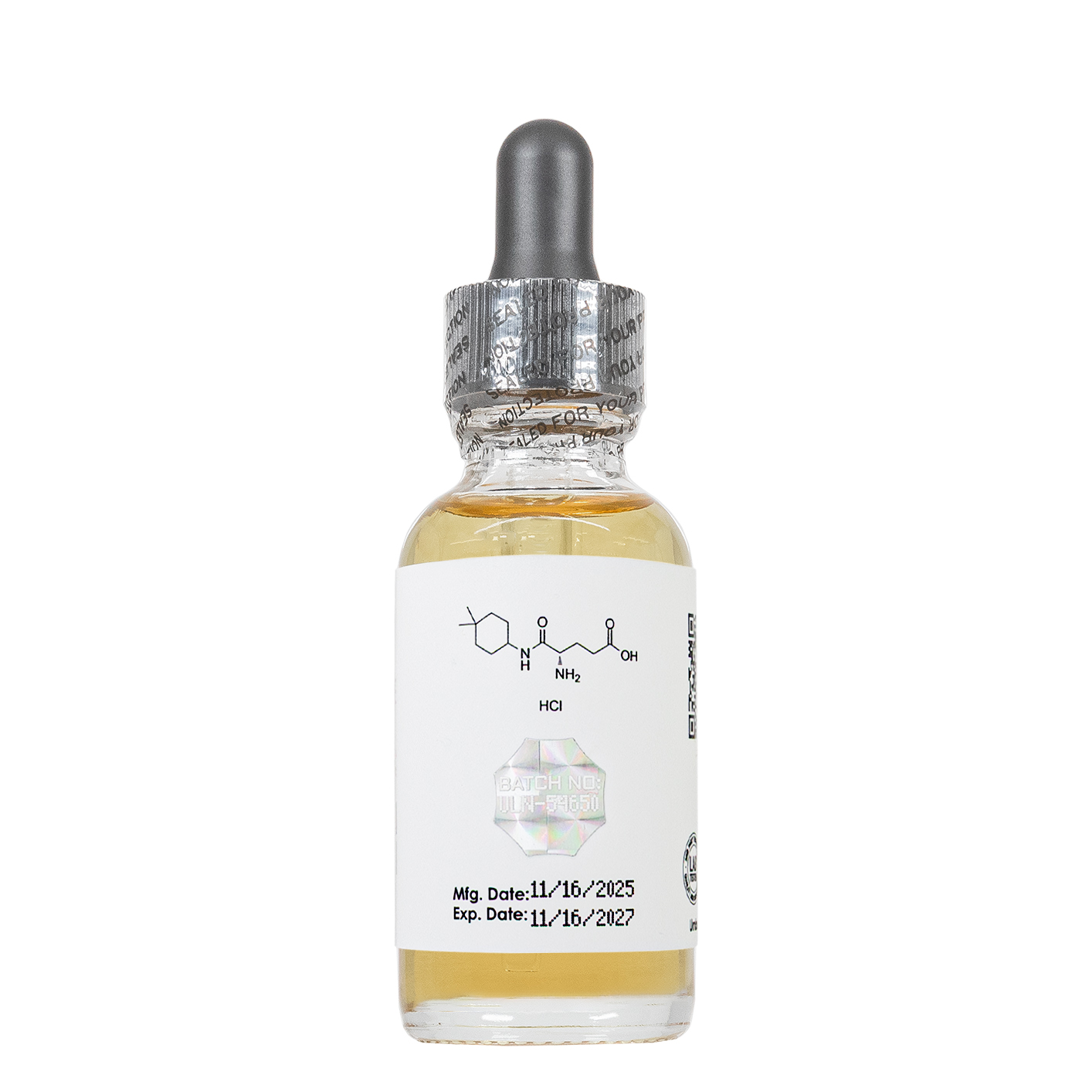
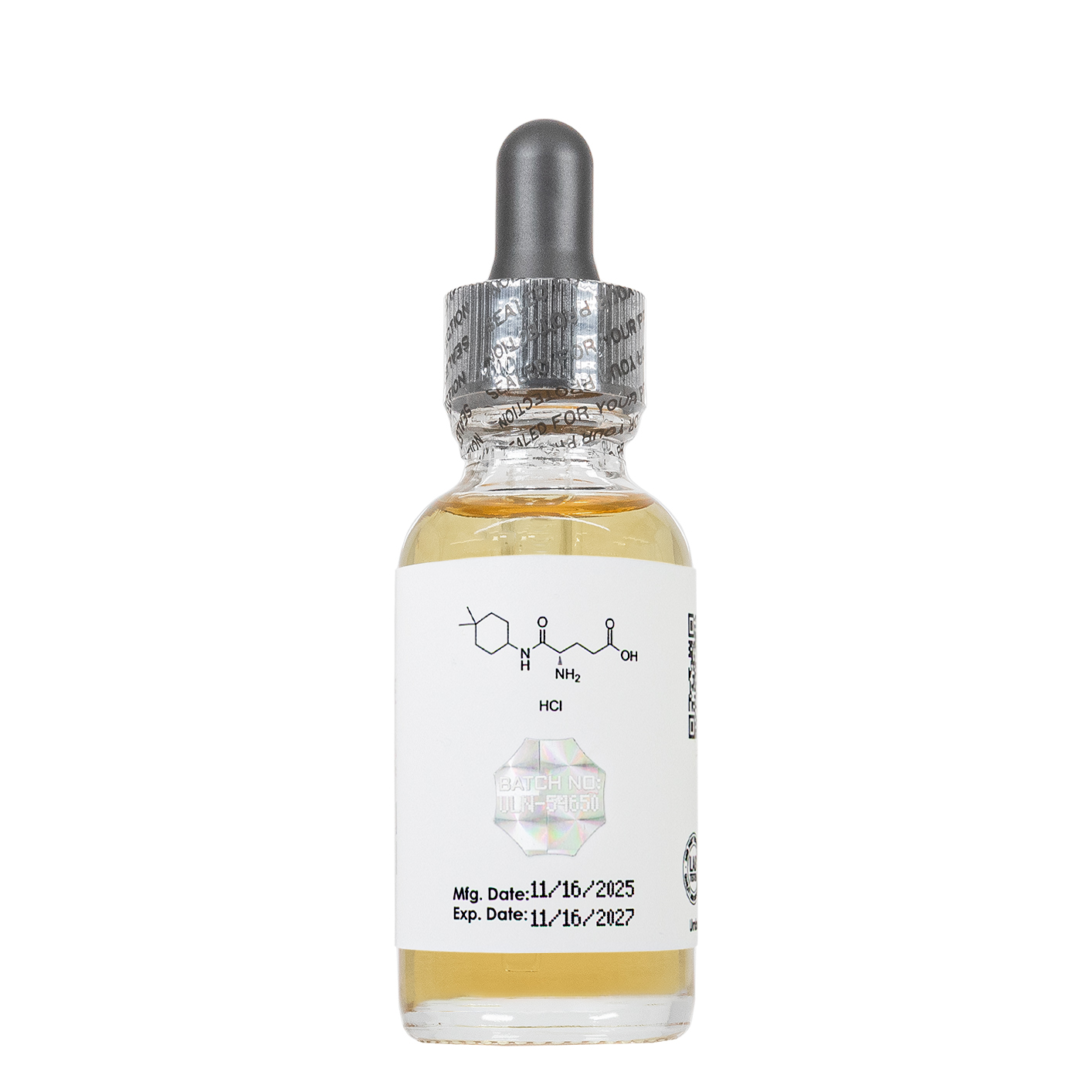
| IUPAC Name | (4S)-4-amino-5-[(4,4-dimethylcyclohexyl)amino]-5-oxopentanoic acid;hydrochloride |
| Molecular Formula | C₁₃H₂₅ClN₂O₃ |
| Molecular Weight | 292.80 |
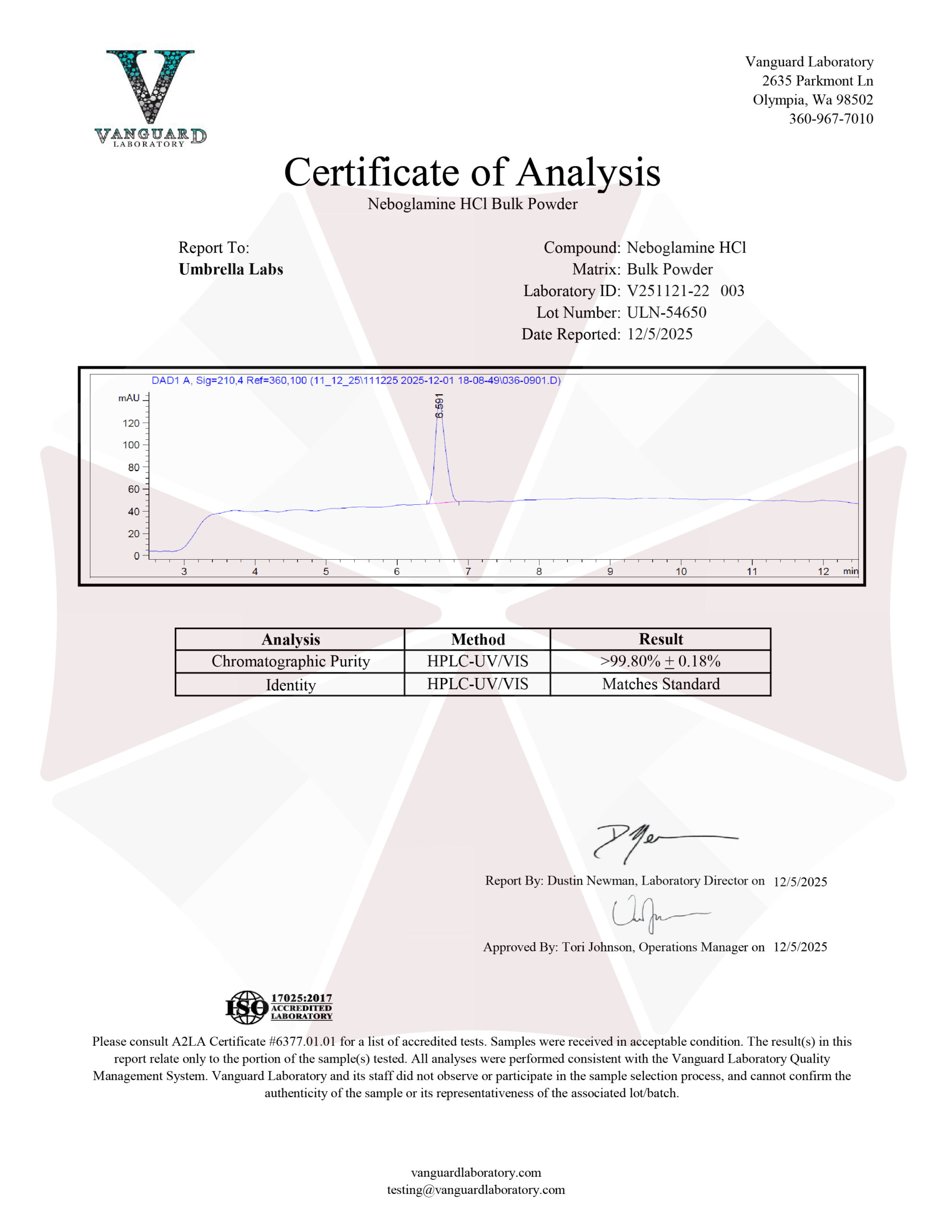
| Purity | ≥99% Pure (LC-MS) |
| Liquid Availability |  30mL liquid (30mg/mL, 900mg bottle) |
| Powder Availability | 60 capsules (10mg/capsule, 600mg total)
|
| Gel Availability | N/A |
| Storage | Store in cool dry environment, away from direct sunlight. |
| Terms | All products are for laboratory developmental research USE ONLY. Products are not for human consumption. |
What is Neboglamine?
Neboglamine, also referred to as CR-2249, is a nootropic compound formulated to enhance cognition, memory, and mental clarity by supporting select neurotransmitters and neuroprotective processes. Early studies suggest it may boost synaptic plasticity and long-term potentiation while helping balance acetylcholine and glutamate, leading to improved focus, quicker learning, and stronger retention without overstimulation. The compound is commonly combined with complementary nutrients to aid absorption and steady mood and cognitive support.
Main Research Findings
1) There was found to be a positive cooperative interaction between Neboglamine and glycine, indicating that the nootropic acts as an allosteric binding site to increase NMDA receptor functioning.
2) Neboglamine was found to increase noradrenaline release in the hippocampus, indicating the compound may have the potential to treat memory disorders by mediating direct and indirect actions on noradrenergic transmission.
Selected Data
1) This study completed by the research team of Lanze et al utilized male Wistar and Sprague-Dawley rats to examine the pharmacological actions of a novel glutamic acid derivative, Zeboglamine (CR 2249), focusing on its enantiomers (S)-CR 2249 and (R)-CR 2249. Animals were maintained under standard housing conditions with free access to food and water. Two complementary experimental approaches were employed: in vitro receptor binding assays using rat brain membranes and functional neurotransmitter release assays using rat hippocampal slices. For binding studies, separate preparations were made from cerebral cortex (for [3H]MK-801 assays) and cortex/hippocampus (for [3H]-5,7-dichlorokynurenic acid ([3H]-5,7-DCKA) assays) [1].
Cortices were homogenized in 0.32 M sucrose and subjected to sequential centrifugations (1000 g, 18 000 g, 50 00 g/40 000 g) with repeated wash steps before final resuspension in HEPES-KOH buffer at a concentration of 20 mM and storage at −80°C until use. Membrane aliquots were used in duplicate incubations with radioligand and test compounds; protein per assay was optimized at ~300 µg for MK-801 assays and ~25–75 µg for [3H]-5,7-DCKA, and non-specific binding was determined with excess MK-801 or D-serine. For [3H]MK-801 non-equilibrium binding, membranes were incubated with 2 nM [3H]MK-801 and 10 concentrations of test agonists, glutamate, glycine, and spermine, to define concentration–response relationships; the effects of (S)- and (R)-CR 2249 were examined at three concentrations, 10, 100, 1000 µM on modulation of these agonist concentration–response curves. Saturation and displacement protocols were used for [3H]-5,7-DCKA binding with a radioligand range of 3–300 nM, with triplicate determinations and D-serine to define non-specific binding; (S)-CR 2249 and D-serine were applied over broad concentration ranges to estimate IC50 and percent inhibition.
For functional release studies, coronal hippocampal slices measuring 0.40 mm thick were prepared using a McIlwain tissue chopper, labeled with 0.01 µM [3H]noradrenaline for 20 min at 37°C. They were then transferred to superfusion chambers for perfusion at 1 ml/min with Mg2+-free medium, with 0.1 µM 6-nitroquipazine included to block serotonin uptake and prevent false labeling of serotonergic terminals. After 48 min equilibration, nine 5-min superfusate fractions were collected; the first two served as basal release baseline. Drugs were applied during a single 5-min stimulation fraction (NMDA ± glycine ± CR 2249), with kynurenic acid and strychnine present where specified with kynurenate being added throughout the experiment starting 10 min before NMDA. Fractional release (FR) was calculated as the radioactivity in each superfusate divided by total slice radioactivity at that time; drug activity was expressed as percentage ratio of NMDA-stimulated FR to the first fraction’s FR. Experiments typically used 100 µM NMDA to evoke release. The design included testing (S)- and (R)-CR 2249 alone (up to 1000 µM) and their ability to modulate glycine-mediated reversal of kynurenate inhibition of NMDA-evoked [3H]noradrenaline release [1].
Statistical analyses employed curve-fitting to obtain EC50/IC50 values and maximal responses, with group comparisons by one-way ANOVA and post hoc Duncan tests where appropriate; polynomial analyses were used to break down variance in release experiments and to test linear trends. Data are reported as means ± SEM and significance was set at P ≤ 0.05. Reagents and radioligands were purchased from standard suppliers; CR 2249 enantiomers were synthesized in-house and prepared in minimal 0.1 N NaOH then adjusted to pH 7.0–7.4 with saline. Multiple controls were integrated: non-specific binding controls, vehicle controls, and both enantiomer comparisons to address stereoselectivity. Overall, the materials and methods combined rigorous membrane binding pharmacology with a physiologically relevant hippocampal slice release paradigm to probe both molecular and functional interactions of CR 2249 at NMDA receptor-associated sites [1].
2) The study performed by Garofalo et al investigated Neboglamine (CR 2249), a novel glutamic acid derivative, for its potential memory-enhancing effects using various behavioral and biochemical paradigms in rats and mice. For the animal models, male Wistar rats weighing 175-225g were utilized for passive avoidance, active avoidance, and open-field tests, while a separate group of male Wistar rats weighing 225-250g, was used for microdialysis and plasma level determination. Male CD-1 mice weighing 30-40g were employed for step-down passive avoidance tests. All animals, sourced from Charles River, were housed under controlled conditions with free access to food and water, and underwent a 30-60 minute acclimatization period before experiments. The investigational compound, CR 2249, along with other drugs such as noradrenaline, 3,4-dihydroxyphenylglycol, scopolamine hydrochloride, tacrine, and [3H]noradrenaline, were carefully prepared. Specifically, CR 2249 was dissolved in a minimal quantity of 1 M NaOH, brought to volume with saline, and its pH was adjusted to approximately 7.0 with 0.1 M HCl [2].
The determination of CR 2249 levels in plasma and cerebrospinal fluid (CSF) involved anaesthetizing rats with light ether, collecting blood from the abdominal aorta, and CSF from the fourth ventricle via the occipital bone. Samples were processed and analyzed using high-performance liquid chromatography (HPLC) coupled with fluorimetric detection, following pre-column derivatization with o-phthaldialdehyde. The chromatographic separation utilized a C18 reversed-phase column with a specific three-solvent discontinuous gradient program and a flow rate of 0.9 mL/min, achieving a retention time for CR 2249 of 18.7 min.
For in-vitro receptor binding studies, experiments were conducted according to established protocols to assess CR 2249’s affinity for various neurotransmitter receptors. Release studies from hippocampal slices involved decapitation of animals, preparing 0.40 mm thick coronal slices, and labeling them with 0.01 µM [3H]noradrenaline in a specific incubation medium containing 6-nitroquipazine to prevent false labeling. Labeled slices were then transferred to parallel superfusion chambers and superfused with a modified medium lacking Mg2+ ions. Fractions were collected every 10 minutes over a 60-min equilibration period, and CR 2249 was added throughout the experiments starting 20 minutes after the equilibration. Radioactivity was measured using liquid scintillation counting [2].
Behavioral assessments included passive and active avoidance tests. The step-through type passive-avoidance in rats used a two-compartment light/dark apparatus with a guillotine door and stainless-steel rod floor for scrambled foot-shock. Acquisition training involved placing rats in the illuminated compartment and recording the latency to enter the dark compartment, with a 60s cutoff. Rats received an inescapable foot-shock upon entry, and retention tests were performed 72 hours later without shock, recording step-through latency with a 120s maximum. Different foot-shock intensities ranging from 0-0.12 mA, were explored, with 0.09 mA chosen for subsequent CR 2249 testing. CR 2249 was administered intraperitoneally 45 min before training, immediately after training, or 45 min before retention to evaluate its effects on acquisition, consolidation, and retrieval processes, respectively [2].
The step-down passive-type avoidance in mice utilized a similar apparatus with a wooden platform and a scrambled foot-shock grid. Training involved placing mice on the platform and delivering a 0.2 mA shock until they returned to the platform. Mice with specific step-down and escape latencies between 3-30s and 3-60s were selected for retention testing. Immediately after training, mice received an electroconvulsive shock measuring at 20 mA, 50 Hz for 0.4s via ear electrodes. The retention test, performed 24 hours later, measured step-down latency without shock, with a 120s cutoff. CR 2249 and tacrine were administered orally 60 min before training.
Step-through active-avoidance conditioning in rats was conducted in a shuttle box apparatus with two compartments and a gate, featuring stainless-steel bars for a 0.4 mA scrambled foot-shock as an unconditioned stimulus and an overhead lamp/tone as a conditioned stimulus. Forty rats were subjected to five daily 40-trial sessions with 24-hour intervals. Animals received daily intraperitoneal injections of saline or CR 2249, 45 min before each session. Conditioned avoidance, uncoordinated escape, and spontaneous inter-trial responses were automatically recorded. Motor activity was assessed by placing individual animals in a 60x60x30 cm box, with movements tracked by an automated system. Animals, randomly assigned to treatment groups receiving either CR 2249 or saline, were administered drugs intraperitoneally 45 min before the 10-min test, and total distances covered were recorded [2].
Microdialysis experiments involved anaesthetizing rats and implanting concentric dialysis probes into the hippocampus with location coordinates as follows: AP: 5.80 mm; ML: 4.80 mm; DV: 6.80 mm relative to bregma. After a 16-hour recovery period, modified Ringer’s solution was continuously perfused through the probe at 5.0 µL/min via a fluid swivel. Dialysis samples were collected at 20-min intervals and analyzed for noradrenaline and 3,4-dihydroxyphenylglycol content using HPLC with electrochemical detection. The mobile phase for HPLC consisted of a 0.1 M acetate buffer, 0.1 mM EDTA, and 0.34 mM octyl sulphonic acid, filtered and degassed. In-vitro experiments were also performed to determine the recovery rates of noradrenaline and 3,4-dihydroxyphenylglycol through the dialysis probes.
Statistical analysis for passive avoidance latencies involved survival analysis with a log-rank test. Active avoidance data were analyzed as mean percentages using ANOVA split-plot procedures on transformed differences from baseline. Inter-trial response data were presented as mean ± s.e.m. Hippocampal noradrenaline and 3,4-dihydroxyphenylglycol levels were expressed as mean percentage of baseline and compared using Student’s t-test after reciprocal transformation for homogeneous variances. Pharmacokinetic parameters like AUC, Tmax, lag-time, and half-life were calculated using Siphar/Win software [2].
Discussion
1) The results of the study performed by Lanza et al revealed stereoselective and site-selective effects of CR 2249: both enantiomers showed negligible direct affinity for the glutamate recognition site, AMPA, or kainate receptors ([3H]CGS 19175 IC50 >1000 µM), but (S)-CR 2249 produced concentration-dependent increases in [3H]MK-801 binding in cortical membranes while (R)-CR 2249 was inactive up to 3000 µM. Classical NMDA agonists including glutamate, glycine, and spermine, each increased [3H]MK-801 binding with expected potencies and efficacies; glycine and (S)-CR 2249 had similar maximal efficacies (~100% enhancement) but markedly different potencies [1].
Importantly, (S)-CR 2249 did not change glycine affinity for its site but significantly increased glycine’s maximal effect on [3H]MK-801 binding in a concentration-dependent manner, with post-hoc analyses showing significant increases at 100 and 1000 µM. By contrast, (S)-CR 2249 had minimal or no effect on glutamate-stimulated MK-801 binding, only at a non-significant augmentation at high concentration for low glutamate, and only weak, non-significant modulation of spermine responses. These patterns indicate (S)-CR 2249 acts allosterically to enhance glycine-mediated potentiation of NMDA channel blockade by MK-801, plausibly via a separate modulatory site that positively cooperates with glycine action.
Further characterization using [3H]-5,7-DCKA, a ligand for the strychnine-insensitive glycine site, showed that D-serine fully displaced radioligand in a concentration-dependent manner, whereas (S)-CR 2249 partially reduced [3H]-5,7-DCKA binding with an IC50 ≈ 12.0 µM and a maximal inhibition only ~62% of D-serine’s effect. Hill coefficients suggested non-competitive interaction (Hill ~0.36 vs 1.03 for D-serine), supporting that (S)-CR 2249 modulates the glycine site indirectly or at an allosteric locus rather than acting as a direct competitive agonist/antagonist. Tests for interactions with the ifenprodil site and a battery of other receptor subtypes such as adrenergic, serotonergic, GABAergic, CCK, and muscarinic, showed no significant binding affinity for CR 2249 enantiomers, arguing for a NMDA-complex–related, stereoselective action of (S)-CR 2249 [1].
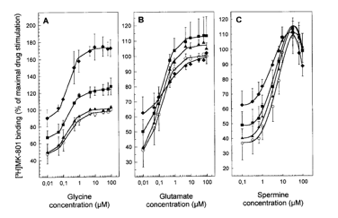
Figure 1: Changes in the effects of (S)-CR 2249 on [3H]-5,7-DCKA binding when enhanced through the addition of A) glycine, B) glutamate, or C) Spermine.
Functional hippocampal slice release experiments provided complementary physiological evidence. Neither (S)- nor (R)-CR 2249 altered basal [3H]noradrenaline release up to 1000 µM, nor did either enantiomer directly potentiate NMDA-evoked release when applied alone. However, when the glycine co-agonist effect was unmasked by partial blockade with 300 µM kynurenic acid, glycine produced a concentration-dependent reversal of kynurenate inhibition of NMDA-evoked [3H]noradrenaline release. In this setting, (S)-CR 2249 at doses ranging from 3–30 µM, produced a significant, concentration-related enhancement of glycine’s maximal effect without altering glycine EC50 values. Notably, in slice experiments the combination of 30 µM (S)-CR 2249 with >100 µM glycine achieved complete reversal of 300 µM kynurenate inhibition, an effect glycine alone could not fully produce under these conditions. (R)-CR 2249 was completely ineffective in modulating glycine’s action at the concentrations tested, reinforcing stereoselectivity.
Taken together, the results indicate (S)-CR 2249 selectively and stereoselectively enhances NMDA receptor functionality by increasing the efficacy of glycine at strychnine-resistant glycine-associated sites coupled to the NMDA receptor complex, acting allosterically rather than by increasing glycine affinity. The compound has the ability to potentiate glycine-dependent NMDA responses in a physiologically relevant hippocampal model of noradrenaline release. This supports its candidacy as a putative cognition enhancer, consistent with prior behavioral findings, while (R)-CR 2249 lacks these modulatory effects [1].
2) The results of the study conducted by researchers Garofalo et al consistently demonstrated that CR 2249 possesses memory-enhancing properties across various behavioral models, often without affecting general behavior or motor activity. Pharmacokinetic analysis revealed that CR 2249 is rapidly absorbed into plasma following both oral and intraperitoneal administration, with a lag-time of approximately 0.12 hours and 0.10 hours, respectively. The maximum plasma concentration (Tmax) was reached around 60 minutes for both routes. Importantly, CR 2249 rapidly crossed the CSF barrier, with lag-times of 0.1 and 0.23 hours for oral and intraperitoneal administration, respectively, and maximum CSF concentrations were observed between 45-60 minutes. The CSF/plasma AUC ratios were significant at 47% after intraperitoneal and 60% after oral administration, suggesting substantial brain penetration and supporting the chosen 45-60 minute pre-treatment interval for behavioral tests [2].
In-vitro receptor binding studies indicated a selective interaction of CR 2249 with the NMDA receptor complex. While CR 2249 showed only weak affinity for the recognition site of the NMDA receptor and no significant binding affinity to AMPA or kainic receptors, it exhibited moderate affinity for the strychnine-insensitive glycine receptor. Furthermore, CR 2249 significantly increased the binding of [3H]MK-801, a non-competitive NMDA receptor antagonist, in rat cerebral cortex membranes. These results suggest that CR 2249 acts as an agonist for either the strychnine-insensitive glycine site or the polyamine site within the NMDA receptor complex. Crucially, CR 2249 showed no significant binding affinity to other major neurotransmitter receptors, including α1 and α2 adrenergic, 5-HT1a and 5-HT2a-ergic, cholecystokinin (CCKB), or muscarinic (M1) receptors, reinforcing its selective interaction with the NMDA receptor complex.
Complementary release studies from hippocampal slices further supported the NMDA receptor interaction. CR 2249 produced a dose-dependent increase in [3H]noradrenaline release from rat hippocampal slices, with a maximum 120% increase at 1000 µM concentration and an EC50 of 104.5 ± 17.8 µM. This finding is consistent with NMDA receptor activation leading to enhanced neurotransmitter release in the hippocampus.
In behavioral tests, CR 2249 demonstrated significant memory-enhancing effects. In the step-through type passive-avoidance paradigm in rats, pre-training administration of CR 2249 at intraperitoneal doses of 10 and 30 mg/kg significantly increased retention latencies compared to saline-treated rats. However, CR 2249 did not show an effect when administered immediately after training or 45 minutes before the retention test, suggesting its primary role in acquisition rather than consolidation or retrieval. This observation aligns with the pharmacokinetic data, as CR 2249 concentrations might not have been optimal during the immediate post-training consolidation period [2].
CR 2249 also effectively ameliorated scopolamine-induced memory impairment in the rat passive avoidance model. Scopolamine significantly shortened retention latencies, indicating amnesia. 1 mg/kg and 10 mg/kg of CR 2249 was found to dose-dependently increase these latencies, with the 10 mg/kg dose showing a statistically significant reversal of the deficit. Tacrine, a known memory enhancer, also reversed scopolamine’s effect at 10 mg/kg.
In the step-down passive-avoidance model in mice, where electroconvulsive shock (ECS) was used to induce amnesia, CR 2249 again proved efficacious. ECS significantly reduced step-down latencies, reflecting memory impairment. Oral administration of CR 2249 (3, 10, and 30 mg/kg) dose-dependently increased step-down latencies, with significant effects observed at 10 and 30 mg/kg, indicating a reversal of the ECS-induced amnesia. Notably, tacrine at comparable oral doses of 1, 3, and 10 mg/kg did not show any effect in this specific model [2].
Furthermore, CR 2249 improved performance in the step-through active avoidance conditioning task in rats. Intraperitoneal administration of CR 2249 in the dose range of 1-10 mg/kg significantly enhanced the percentage of conditioned avoidance responses over 5 consecutive days, with statistically significant dose-effect and treatment-by-days interactions observed at 3 and 10 mg/kg. This improvement in learning and memory was specific, as CR 2249 did not affect uncoordinated escape responses or spontaneous inter-trial responses, suggesting a direct effect on cognitive function rather than general motor changes. Supporting this specificity, subsequent motor activity tests in rats showed that intraperitoneal CR 2249 at 10 and 30 mg/kg had no significant effect on the total distance covered in the open field, confirming that the observed cognitive benefits were not attributable to altered spontaneous motility [2].
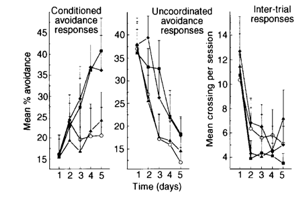
Figure 2: Change in the effects of CR 2249 on conditioned avoidance responses, uncoordinated avoidance responses, and inter-trial responses
Finally, in microdialysis experiments with freely moving rats, local application of 100 µM CR 2249 to the hippocampus significantly increased noradrenaline release to approximately 225% of baseline levels after 90 minutes. Concurrently, CR 2249 reduced the efflux of 3,4-dihydroxyphenylglycol, a noradrenaline metabolite, to 69% of baseline. These results indicate that CR 2249 modulates noradrenergic transmission in the hippocampus, a mechanism that could underlie its memory-enhancing properties. Overall, the behavioral and biochemical data strongly suggest CR 2249 as a promising memory enhancer, potentially mediated through noradrenergic pathways and interactions with the NMDA receptor complex [2].
Disclaimer
**LAB USE ONLY**
*This information is for educational purposes only and does not constitute medical advice. THE PRODUCTS DESCRIBED HEREIN ARE FOR RESEARCH USE ONLY. All clinical research must be conducted with oversight from the appropriate Institutional Review Board (IRB). All preclinical research must be conducted with oversight from the appropriate Institutional Animal Care and Use Committee (IACUC) following the guidelines of the Animal Welfare Act (AWA).
Citation
[1] Lanza M, Bonnafous C, Colombo S, Revel L, Makovec F. Characterization of a novel putative cognition enhancer mediating facilitation of glycine effect on strychnine-resistant sites coupled to NMDA receptor complex. Neuropharmacology. 1997;36(8):1057-1064. doi:10.1016/s0028-3908(97)00092-0
[2] Garofalo P, Colombo S, Lanza M, Revel L, Makovec F. CR 2249: a new putative memory enhancer. Behavioural studies on learning and memory in rats and mice. J Pharm Pharmacol. 1996;48(12):1290-1297. doi:10.1111/j.2042-7158.1996.tb03938.x
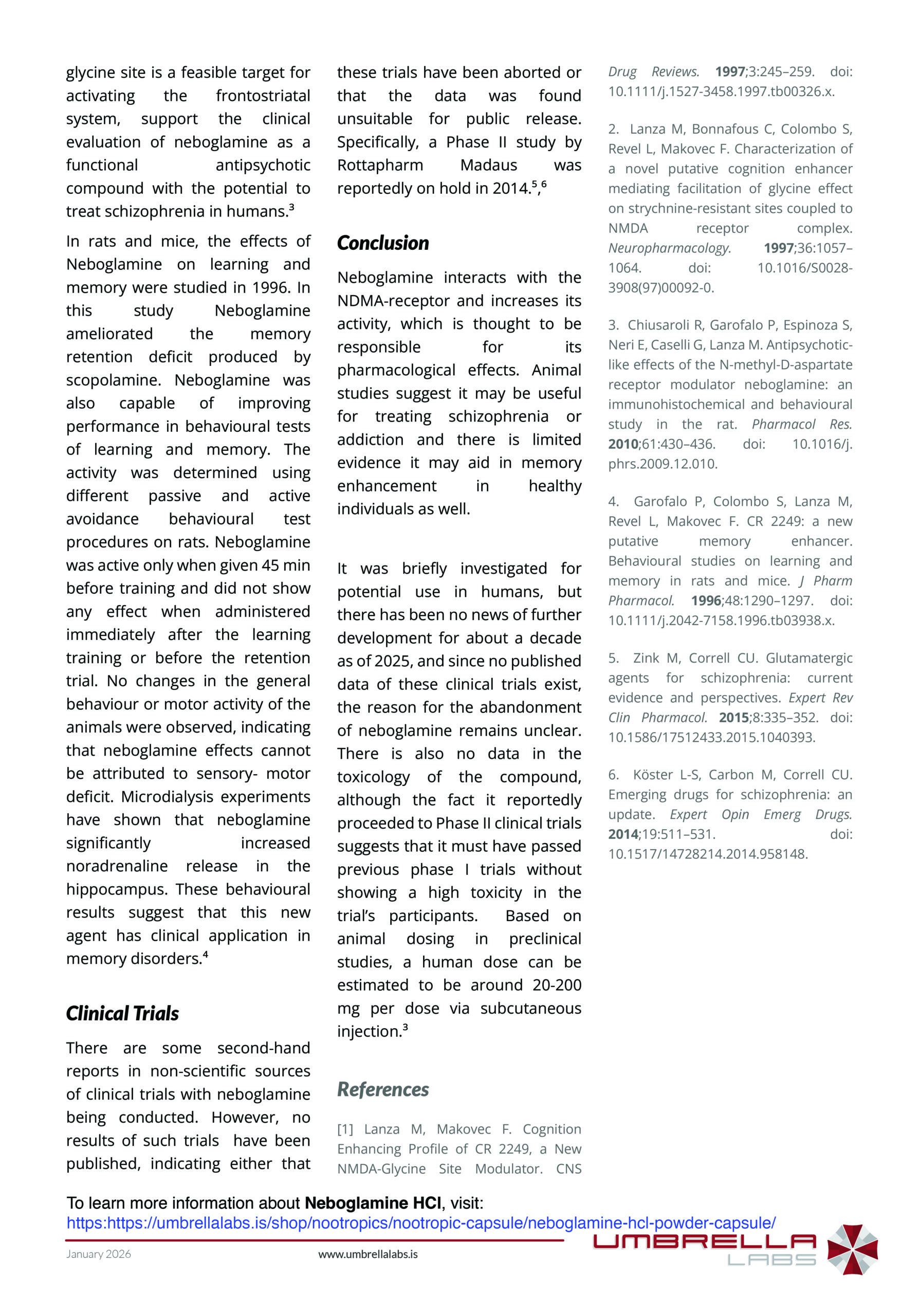
Neboglamine HCl is sold for laboratory research use only. Terms of sale apply. Not for human consumption, nor medical, veterinary, or household uses. Please familiarize yourself with our Terms & Conditions before ordering.
| File Name | View/Download |
| 2025-12-05-Umbrella-Labs-Neboglamine-HCl-Certificate-of-Analysis-COA.pdf |  |
VIEW CERTIFICATES OF ANALYSIS (COA)