

Description
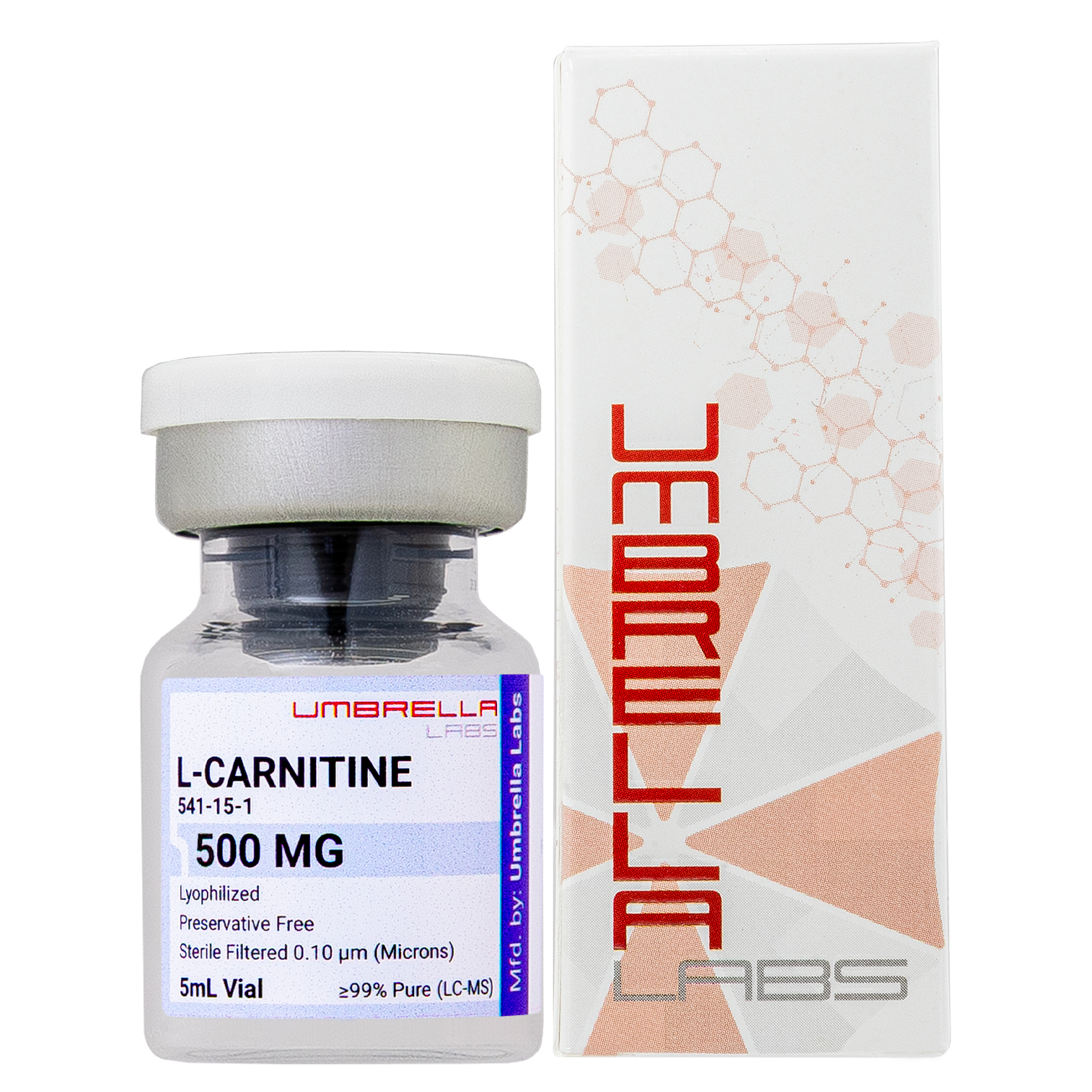
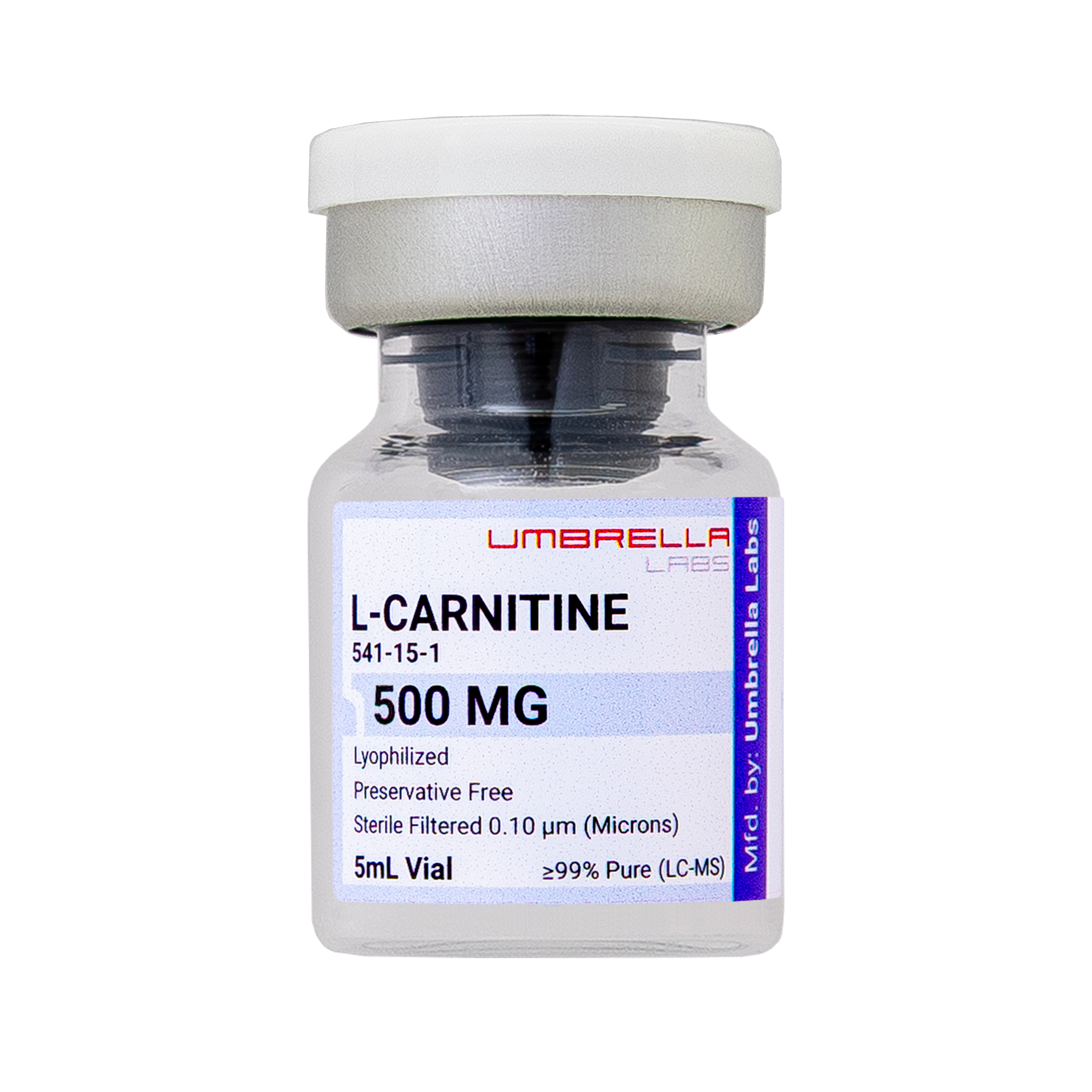
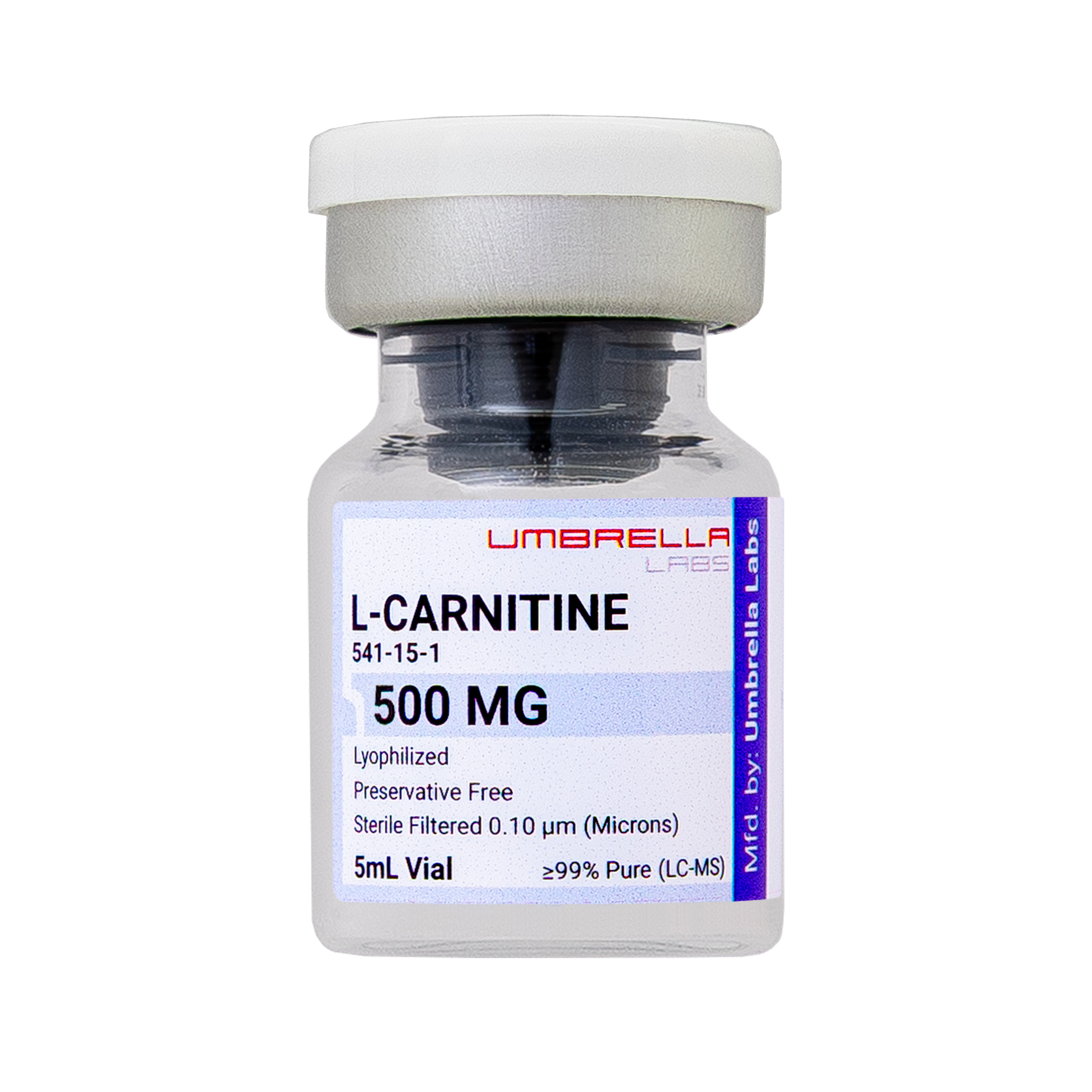
L-Carnitine Peptide Vial







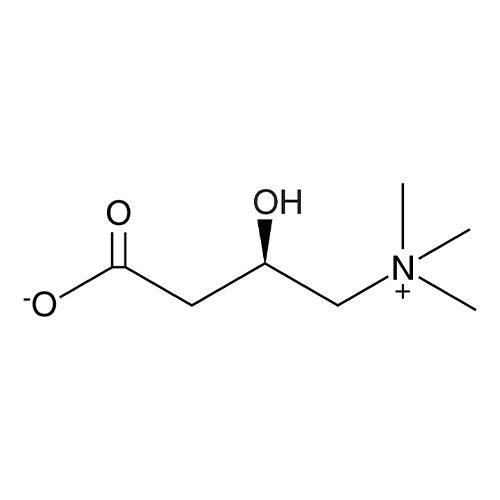
| CAS Number | 541-15-1 |
| Other Names | (-)-Carnitine, Levocarnitine, R-Carnitine |
| IUPAC Name |
3-carboxy-
|
| Molecular Formula | C₇H₁₅NO₃ |
| Molecular Weight | 161.2 |
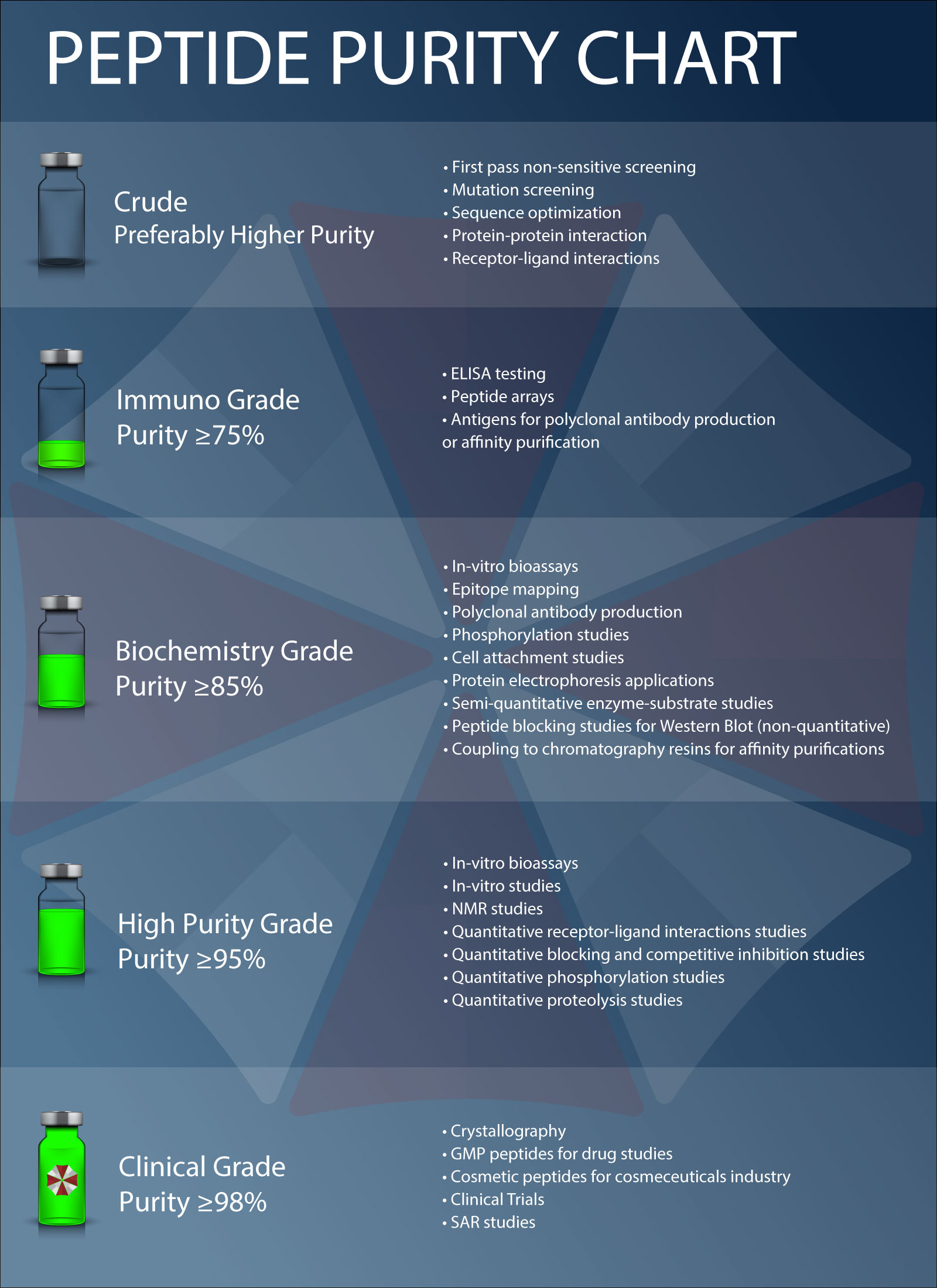
| Purity | ≥99% Pure (LC-MS) |
| Liquid Availability |  30mL liquid (330mg/mL, 10 grams bottle) |
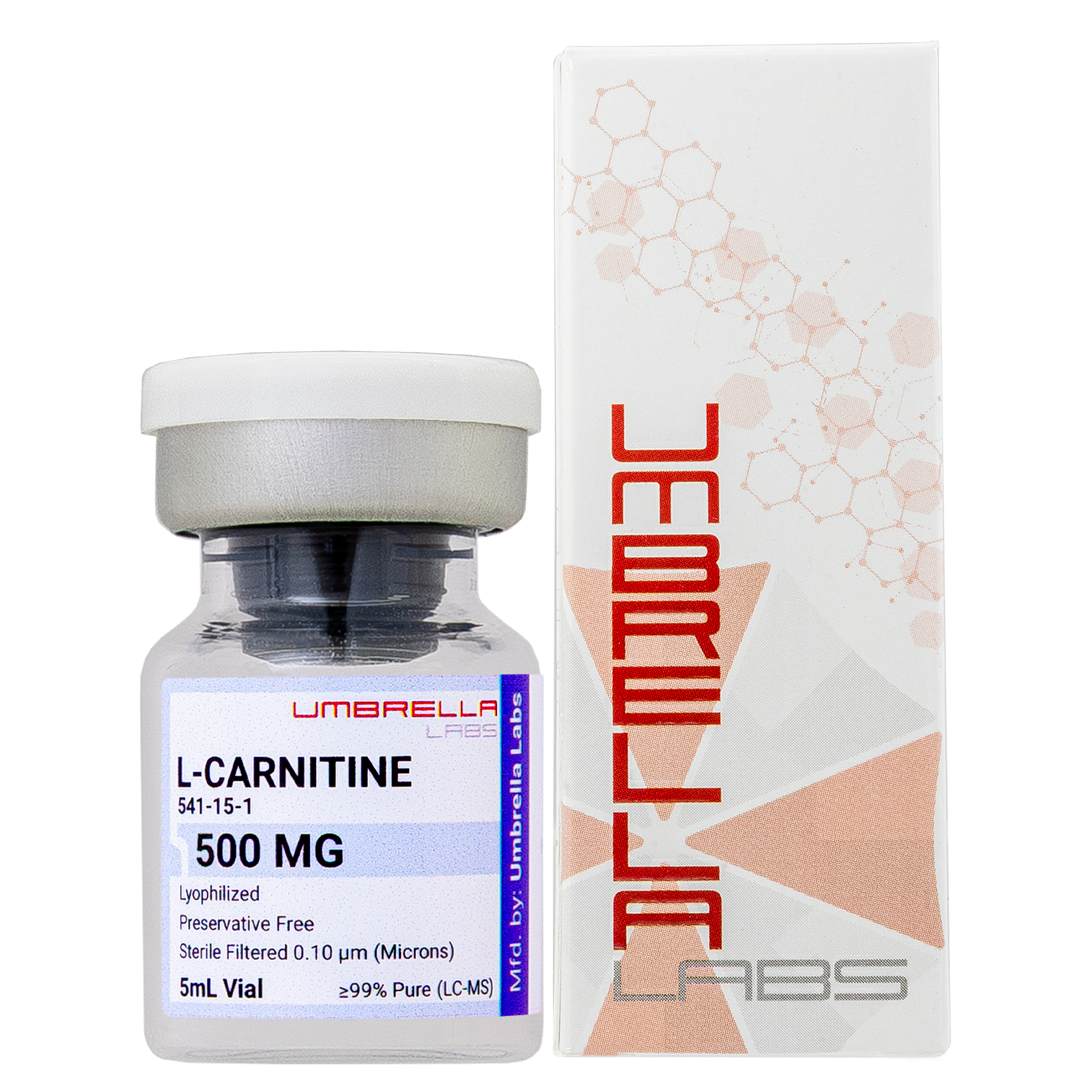
| Powder Availability | 500 milligrams peptide vial (lyophilized/freeze-dried)
|
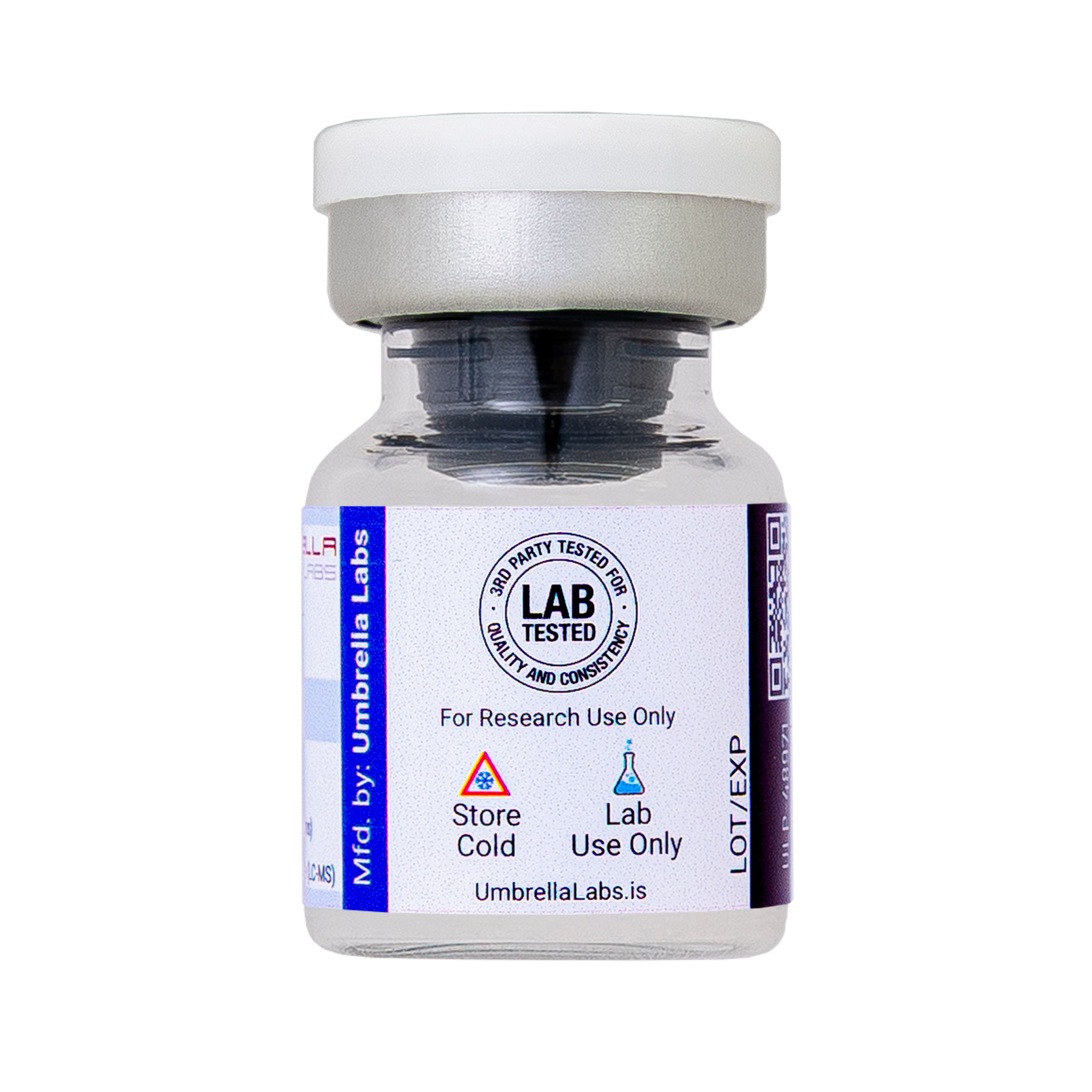
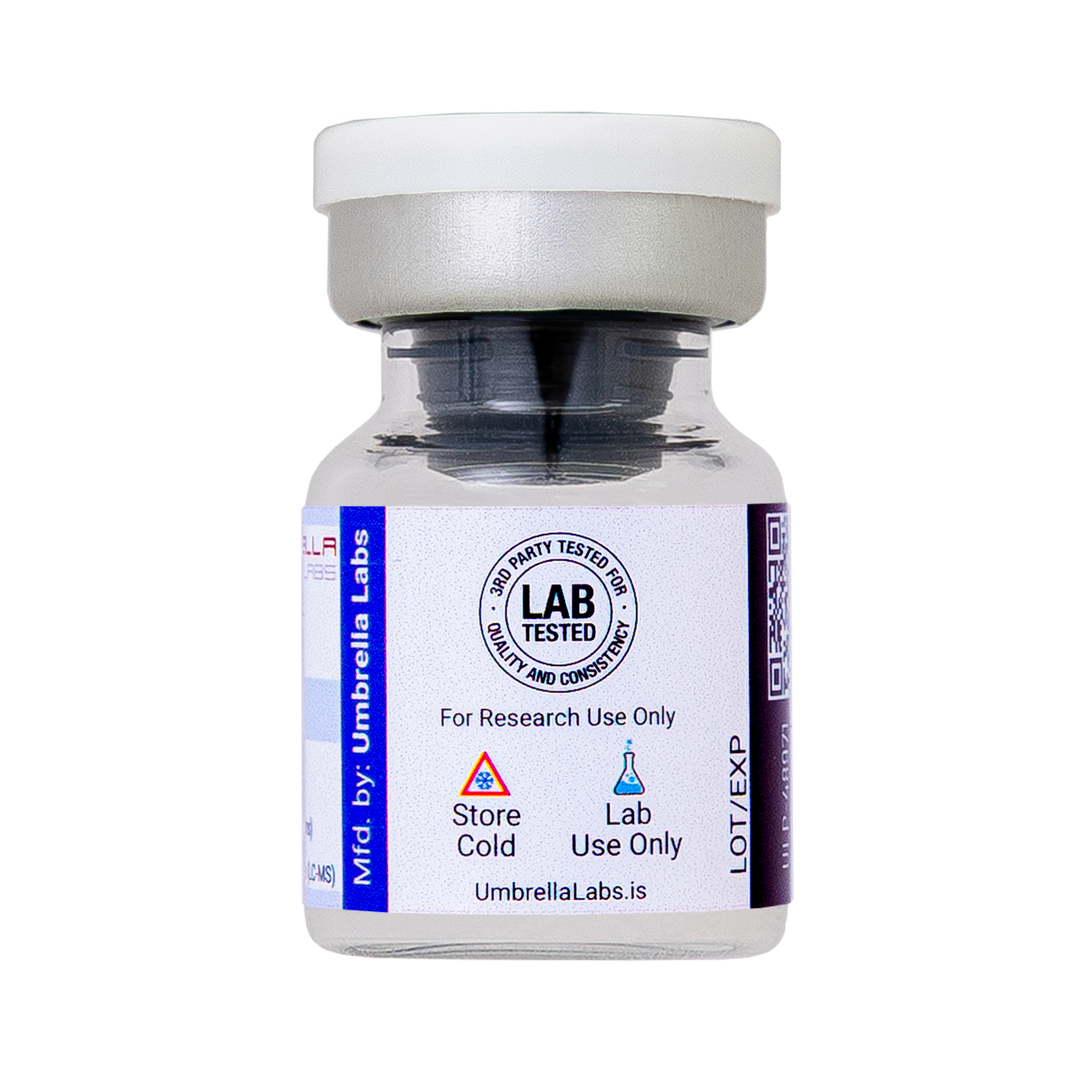
| Storage Condition | Store cold, keep refrigerated. Do NOT freeze. |
| Terms | All products are for laboratory developmental research USE ONLY. Products are not for human consumption. |
**Important Information: Each peptide comes lyophilized/freeze-dried and must be reconstituted with Bacteriostatic Water in order to be dispensable in liquid form.
Watch How To Reconstitute Peptide Video Here
What is L-Carnitine?
L-Carnitine is a naturally occurring quaternary ammonium compound synthesized from the amino acids lysine and methionine that plays a fundamental role in cellular energy metabolism. It functions primarily by transporting long-chain fatty acids across the inner mitochondrial membrane, where they undergo β-oxidation to generate adenosine triphosphate (ATP), making L-carnitine essential for energy production in metabolically active tissues such as the brain, heart, and skeletal muscle. Although traditionally recognized for its importance in cardiovascular health and physical performance, L-carnitine has gained increasing attention as a potential nootropic due to its ability to support mitochondrial function, reduce oxidative stress, and promote neuronal energy metabolism. Preclinical and clinical studies suggest that L-carnitine supplementation may enhance cognitive function, improve mental fatigue, and provide neuroprotective effects by preserving mitochondrial integrity, reducing neuroinflammation, and limiting the accumulation of reactive oxygen species. In addition, L-carnitine and its derivative acetyl-L-carnitine have been investigated for their potential therapeutic benefits in age-related cognitive decline, neurodegenerative disorders, and conditions characterized by impaired mitochondrial function.
Main Research Findings
1) L-carnitine was found to prevent age-related muscle protein degradation while regulating mitochondrial homeostasis.
2) Treatment with L-carnitine was shown to protect against several factors of cardiovascular disease while regulating metabolic characteristics related to heart failure.
Selected Data
1) The research team of Fielding et al completed a review evaluating evidence regarding the role of L-carnitine supplementation in exercise recovery, athletic performance, and muscle health. The team synthesized findings from previously published clinical trials to determine whether L-carnitine supplementation consistently improves recovery following exercise and to explore the biological mechanisms that may explain these effects. The review also extends its discussion to aging populations, examining whether the same physiological mechanisms that benefit athletes may help preserve muscle mass and function in older adults [1].
After identifying the eligible literature, the research team organized the evidence into several major categories. The first section reviewed studies examining exercise performance and metabolic adaptations, including changes in aerobic capacity, oxygen consumption, substrate utilization, muscle carnitine concentrations, lactate production, heart rate, and endurance performance. The researchers summarized investigations involving elite athletes, recreationally active individuals, healthy adults, and elderly populations, allowing comparisons across different levels of physical conditioning and age.
A substantial portion of the review focused specifically on exercise recovery. The research team evaluated studies measuring delayed onset muscle soreness (DOMS), perceived muscle pain, muscle tenderness, recovery of power output, and various biochemical markers of muscle damage. These biomarkers included creatine kinase, myoglobin, hypoxanthine, xanthine oxidase, malondialdehyde, and indicators of oxidative stress. Several studies also employed MRI to directly assess muscle tissue disruption following strenuous exercise. By including both subjective outcomes, such as muscle soreness, and objective physiological measurements, the review provided a comprehensive assessment of recovery [1].
The review also examined mechanistic studies investigating how L-carnitine may exert its physiological effects. Particular attention was given to endothelial function and blood flow, with studies measuring flow-mediated dilation and oxygen delivery to exercising muscles. Additional investigations assessed antioxidant capacity, inflammatory responses, reactive oxygen species production, and mitochondrial metabolism. The research team incorporated evidence from both human trials and supportive animal studies to explain the biological pathways underlying the observed clinical findings.
Another important methodological component involved evaluating research conducted in older adults. These studies investigated changes in body composition, muscle strength, lean body mass, fatigue, cognitive performance, and physical function following prolonged L-carnitine supplementation. Randomized controlled trials involving elderly individuals, centenarians, and pre-frail adults were reviewed to determine whether supplementation could mitigate age-related sarcopenia and physical decline [1].
Throughout the article, the researchers summarized each clinical study according to participant characteristics, supplementation dose, duration of treatment, and primary outcomes. Most intervention studies administered between 1 and 4 grams of L-carnitine per day over periods ranging from several days to six months. By presenting the studies in tabular format and discussing both positive and negative findings, the review emphasized the variability in study designs while highlighting consistent patterns that emerged across multiple investigations. Overall, the methodology relied on a structured literature search, predefined inclusion and exclusion criteria, and critical synthesis of human clinical evidence to evaluate the effectiveness of L-carnitine supplementation for exercise recovery and muscle health [1].
2) The research team of Wang et al completed a comprehensive narrative review that examines the role of L-carnitine in the prevention and treatment of cardiovascular disease, with particular emphasis on ventricular dysfunction, ischemia-reperfusion injury, cardiac arrhythmias, and toxic myocardial injury. Rather than presenting findings from a single experimental study, the researchers synthesized evidence from previously published clinical trials, animal studies, mechanistic investigations, and meta-analyses to provide an updated overview of L-carnitine’s physiological functions and therapeutic potential in cardiac disease. The review was designed to integrate biochemical, pharmacological, and clinical evidence to explain how L-carnitine influences myocardial metabolism and cardiovascular outcomes [2].
The research team first established the physiological foundation of L-carnitine by reviewing its pharmacokinetics, intermediary metabolism, and mechanisms of action within cardiac tissue. Particular attention was devoted to the mitochondrial transport of long-chain fatty acids through the carnitine shuttle system involving carnitine palmitoyltransferase I (CPT-I), carnitine-acylcarnitine translocase, and carnitine palmitoyltransferase II. The review described how these transport systems regulate fatty acid oxidation, ATP production, and mitochondrial energy metabolism within cardiomyocytes. In addition, the researchers summarized the endogenous synthesis of L-carnitine, dietary sources, tissue distribution, and the importance of the organic cation transporter OCTN2 in maintaining adequate intracellular carnitine concentrations. Genetic disorders affecting OCTN2 function and systemic primary carnitine deficiency were also reviewed because of their direct relationship with cardiomyopathy and cardiac dysfunction [2].
The review next examined studies describing the metabolic consequences of carnitine deficiency and excessive acylcarnitine accumulation within cardiac muscle. Experimental investigations involving isolated cardiomyocytes, animal models, and biochemical analyses were summarized to explain how impaired fatty acid transport disrupts mitochondrial oxidative phosphorylation, pyruvate dehydrogenase activity, ATP synthesis, calcium homeostasis, membrane stability, and myocardial contractility. The researchers incorporated mechanistic evidence describing oxidative stress, mitochondrial dysfunction, alterations in sodium-potassium ATPase activity, calcium overload, endothelial dysfunction, and reactive oxygen species generation to explain how metabolic disturbances contribute to cardiac pathology. Diagrams illustrating mitochondrial fatty acid transport and the toxic effects of acylcarnitine accumulation were included to support these mechanistic descriptions.
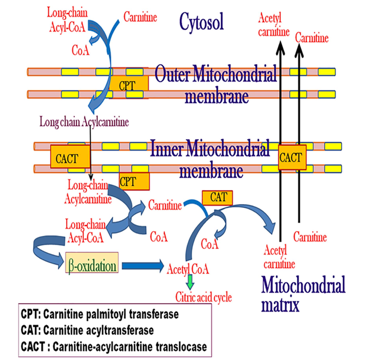
Figure 1: A schematic representing carnitine mediated mitochondrial transport of long chain fatty acids and fatty acid oxidation, resulting in the transport of acetylcarnitine out of the cell
The clinical evidence reviewed encompassed a wide range of patient populations, including individuals with chronic heart failure, myocardial infarction, ventricular dysfunction, ischemia-reperfusion injury, arrhythmias, toxic myocardial injury, pediatric cardiomyopathy, and metabolic disorders associated with carnitine deficiency. The research team summarized randomized clinical trials, multicenter studies, observational investigations, and meta-analyses evaluating oral and intravenous L-carnitine supplementation. Reported interventions varied considerably in dosage, ranging from approximately 2 g/day orally to 6–9 g/day intravenously, with treatment durations extending from several days following myocardial infarction to one year of long-term follow-up. Outcomes assessed across these studies included ventricular function, infarct size, mortality, exercise capacity, cardiac remodeling, biomarkers such as BNP and NT-proBNP, oxidative stress, inflammatory mediators, electrocardiographic findings, and patient survival. Animal studies involving rodents, guinea pigs, swine, and canine models were also incorporated to evaluate molecular mechanisms that could not be directly examined in human subjects [2].
Rather than conducting statistical pooling or formal meta-analysis, the research team organized the available literature into major disease categories. Separate sections summarized evidence regarding ventricular dysfunction, ischemia-reperfusion injury, cardiac arrhythmias, and toxic myocardial injury, allowing comparisons of proposed mechanisms and therapeutic outcomes across different cardiovascular disorders. Throughout the review, evidence from basic science experiments was integrated with clinical findings to illustrate how improvements in mitochondrial metabolism, fatty acid oxidation, endothelial function, antioxidant defenses, calcium regulation, and inflammatory signaling may collectively explain the cardioprotective effects observed following L-carnitine supplementation. This broad evidence synthesis enabled the research team to evaluate both the biological plausibility and the clinical relevance of L-carnitine as a therapeutic strategy for cardiovascular disease [2].
Discussion
1) The review performed by researchers Fielding et al concluded that the strongest and most consistent evidence supporting L-carnitine supplementation relates to enhanced recovery following strenuous exercise rather than improvements in athletic performance alone. Although early investigations primarily examined its potential as an ergogenic aid capable of increasing endurance and aerobic capacity, later research increasingly demonstrated that L-carnitine is more effective at reducing exercise-induced muscle damage and accelerating recovery than at consistently improving maximal physical performance [1].
Across multiple clinical studies, L-carnitine supplementation significantly reduced biochemical markers associated with muscle injury. Participants receiving approximately 2 g of L-carnitine daily commonly exhibited lower circulating concentrations of creatine kinase, myoglobin, hypoxanthine, xanthine oxidase, and malondialdehyde following strenuous exercise compared with placebo-treated individuals. These reductions indicated decreased muscle membrane disruption, diminished oxidative stress, and reduced free radical production. Several investigations also reported lower perceived muscle soreness and tenderness, suggesting that supplementation not only limited physiological damage but also improved subjective recovery. MRI studies further demonstrated reduced structural muscle disruption following intense exercise among individuals receiving L-carnitine supplementation [1].
The researchers found convincing evidence that improvements in recovery may result from enhanced blood flow and oxygen delivery rather than solely from increased fatty acid oxidation. Several studies showed that L-carnitine improved endothelial function by increasing flow-mediated dilation, thereby enhancing oxygen delivery to exercising muscle and reducing exercise-induced hypoxia. Improved vascular function likely decreases ischemic stress during strenuous exercise, thereby limiting cellular injury and promoting more efficient tissue repair. These vascular effects were observed even in studies where muscle carnitine concentrations did not significantly increase, suggesting that endothelial adaptations may represent an important independent mechanism of action.
The review also summarized substantial evidence supporting antioxidant effects of L-carnitine. Supplementation increased total antioxidant capacity while simultaneously reducing biomarkers of lipid peroxidation and oxidative damage following exercise. Because reactive oxygen species contribute significantly to muscle inflammation and delayed onset muscle soreness, reducing oxidative stress likely contributes to the observed improvements in recovery. The research team emphasized that these antioxidant properties may be particularly important during eccentric exercise, where mechanical damage and inflammatory responses are especially pronounced [1].
In contrast, evidence regarding improvements in exercise performance was more variable. Several investigations reported increased maximal oxygen uptake, improved endurance, lower heart rates during exercise, enhanced lipid metabolism, greater power output, and reduced lactate accumulation following supplementation. However, numerous equally rigorous studies failed to detect significant improvements in VO₂max, substrate utilization, respiratory exchange ratio, muscle carnitine content, or endurance performance. The researchers suggested that these discrepancies likely reflect differences in supplementation duration, dosage, exercise protocols, participant training status, and the difficulty of increasing muscle carnitine concentrations through short-term supplementation. Consequently, while performance benefits remain inconsistent, recovery benefits appear considerably more reproducible across studies [1].
Among older adults, the findings were particularly encouraging. Clinical trials demonstrated that prolonged L-carnitine supplementation reduced physical and mental fatigue, increased lean muscle mass, decreased fat mass, improved walking capacity, and enhanced cognitive function in elderly participants. Studies involving centenarians and pre-frail older adults reported improvements in muscle function and overall physical performance, suggesting that supplementation may help counteract age-related sarcopenia. Evidence from combination therapies containing L-carnitine, creatine, leucine, and vitamin D also demonstrated improvements in muscle strength and body composition beyond placebo, although L-carnitine alone primarily maintained muscle function rather than producing dramatic gains.
Overall, the research team concluded that L-carnitine supplementation consistently attenuates muscle damage, oxidative stress, inflammation, and delayed onset muscle soreness while promoting more efficient recovery following strenuous exercise. Although improvements in athletic performance remain inconsistent across studies, the evidence strongly supports beneficial effects on post-exercise recovery and indicates promising applications for preserving muscle function and reducing frailty in aging populations [1].
2) The review performed by the research team of Wang et al concluded that substantial experimental and clinical evidence supports a cardioprotective role for L-carnitine across multiple forms of cardiovascular disease. The primary mechanism underlying these benefits involves restoration of mitochondrial fatty acid oxidation, improved ATP generation, reduction of oxidative stress, stabilization of cellular membranes, and preservation of myocardial energy metabolism. By facilitating the transport of long-chain fatty acids into mitochondria, L-carnitine improves metabolic efficiency while limiting the accumulation of toxic acylcarnitine intermediates that contribute to myocardial injury, calcium overload, membrane disruption, and impaired cardiac contractility. These biochemical effects collectively reduce oxidative damage, inflammation, endothelial dysfunction, and cardiomyocyte death [2].
Among patients with ventricular dysfunction, several clinical studies demonstrated meaningful improvements following L-carnitine supplementation. The review highlighted the multicenter CEDIM trial, in which patients receiving intravenous L-carnitine after acute myocardial infarction experienced improved left ventricular function, smaller infarct size, reduced ventricular enlargement, fewer cases of heart failure, and lower mortality compared with placebo-treated individuals. Additional studies reported improvements in exercise tolerance, electrocardiographic parameters, cardiopulmonary performance, and overall cardiac function following several months of oral supplementation. Pediatric patients with cardiomyopathy also showed improved survival and clinical outcomes when treated with L-carnitine. Furthermore, meta-analyses demonstrated substantial reductions in circulating BNP and NT-proBNP concentrations, biomarkers that reflect ventricular stress and heart failure severity [2].
The review also presented considerable evidence supporting the use of L-carnitine in ischemia-reperfusion injury. During ischemia, myocardial carnitine concentrations decline while toxic acylcarnitines accumulate, leading to impaired β-oxidation, ATP depletion, oxidative stress, calcium dysregulation, and mitochondrial dysfunction. Experimental studies demonstrated that exogenous L-carnitine restored myocardial energy metabolism, preserved mitochondrial adenine nucleotide concentrations, enhanced glucose utilization and glycogen synthesis, maintained ventricular pressure and cardiac output, and improved cardiomyocyte survival following ischemic injury. The research team concluded that L-carnitine reduces metabolic disturbances that occur during reperfusion and limits irreversible myocardial damage through improved mitochondrial function and antioxidant activity.
Evidence regarding cardiac arrhythmias further supported the protective role of L-carnitine. The review described how excessive acylcarnitine accumulation alters membrane excitability, calcium handling, sodium-potassium ATPase activity, gap junction communication, and electrical impulse propagation, thereby increasing susceptibility to arrhythmias. Experimental animal studies demonstrated that L-carnitine supplementation prevented conduction abnormalities, reduced abnormal electrical activity, inhibited atrioventricular reentrant tachycardia, and stabilized myocardial electrophysiology. These effects were attributed to improved mitochondrial oxidative phosphorylation, normalization of membrane transport systems, and suppression of mechanical and electrical disturbances within cardiac tissue [2].
The researchers also reviewed evidence supporting L-carnitine as a protective agent against toxic myocardial injury. Studies involving aluminum phosphide poisoning, isoproterenol-induced cardiac stress, pivalic acid-associated carnitine depletion, doxorubicin cardiotoxicity, and adriamycin exposure consistently demonstrated that L-carnitine reduced oxidative stress, inflammation, apoptosis, myocardial fibrosis, and ventricular dysfunction. Supplementation restored mitochondrial energy production, improved cardiac histology, maintained blood pressure, preserved immune function, and prevented deterioration of cardiac performance without reducing the therapeutic efficacy of anticancer agents such as doxorubicin. These findings suggest that L-carnitine may serve as an important adjunctive therapy in conditions characterized by drug-induced myocardial toxicity.
Overall, the research team concluded that L-carnitine possesses broad therapeutic potential across numerous cardiovascular disorders by improving myocardial energy metabolism, limiting oxidative injury, suppressing inflammation, preserving mitochondrial function, and reducing ventricular dysfunction, ischemic damage, arrhythmias, and toxic myocardial injury. Although the evidence reviewed was largely favorable, the researchers emphasized that additional large multicenter clinical trials are needed to establish optimal dosing strategies, evaluate long-term outcomes, and determine the effectiveness of L-carnitine supplementation before and after cardiovascular surgery [2].
Disclaimer
**LAB USE ONLY**
*This information is for educational purposes only and does not constitute medical advice. THE PRODUCTS DESCRIBED HEREIN ARE FOR RESEARCH USE ONLY. All clinical research must be conducted with oversight from the appropriate Institutional Review Board (IRB). All preclinical research must be conducted with oversight from the appropriate Institutional Animal Care and Use Committee (IACUC) following the guidelines of the Animal Welfare Act (AWA).
Citations
[1] Fielding R, Riede L, Lugo JP, Bellamine A. l-Carnitine Supplementation in Recovery after Exercise. Nutrients. 2018;10(3):349. Published 2018 Mar 13. doi:10.3390/nu10030349
[2] Wang ZY, Liu YY, Liu GH, Lu HB, Mao CY. l-Carnitine and heart disease. Life Sci. 2018;194:88-97. doi:10.1016/j.lfs.2017.12.015
PEPTIDES PREFER THE COLD
Keep peptide vials refrigerated at all times to reduce peptide bond breakdown. DO NOT FREEZE. Most peptides, especially shorter ones, can be preserved for weeks if careful.
Always swab the top of the vial with an alcohol wipe, rubbing alcohol or 95% ethanol before use.
Before drawing solution from any dissolved peptide vial, fill the pin with air to the same measurement you will be filling with solution, ie. if you plan to take 0.1 ml, first fill the pin with 0.1ml of air, push the air into the vial, and then draw the peptide back up to the 0.1 ml marker. Doing so will maintain even pressure in the vial. Always remember to remove air bubbles from the pin by flicking it gently, pin side up, and pushing bubbles out. In addition, push out a tiny amount of solution to ensure there is no air left in the metal tip.
ONLY MIX WITH STERILE BACTERIOSTATIC WATER
The purity and sterility of bacteriostatic water are essential to prevent contamination and to preserve the shelf-life of dissolved peptides.
Push the pin through the rubber stopper at a slight angle, so that you inject the bacteriostatic water toward the inside wall of the vial, not directly onto the powder.
Lyophilized peptide should be stored at -20°C (freezer), and the reconstituted peptide solution at 4°C (refrigerated). Do not freeze once reconstituted.
NEVER SHAKE A VIAL TO MIX.
Air bubbles are unfavorable to the stability of proteins.
L-Carnitine is sold for laboratory research use only. Terms of sale apply. Not for human consumption, nor medical, veterinary, or household uses. Please familiarize yourself with our Terms & Conditions prior to ordering.
| File Name | View/Download |
| Coming Soon! |  |
VIEW CERTIFICATES OF ANALYSIS (COA)