

Description
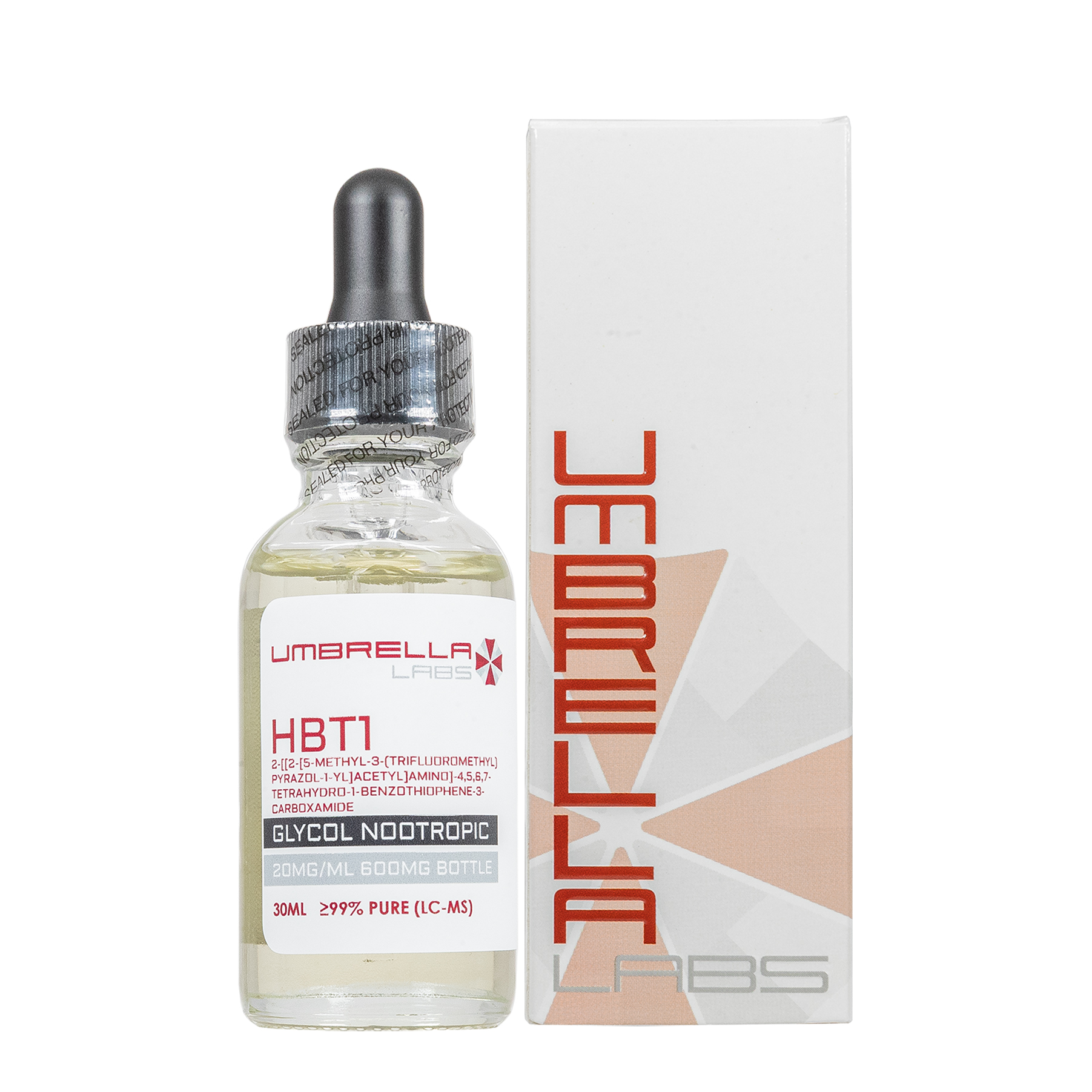
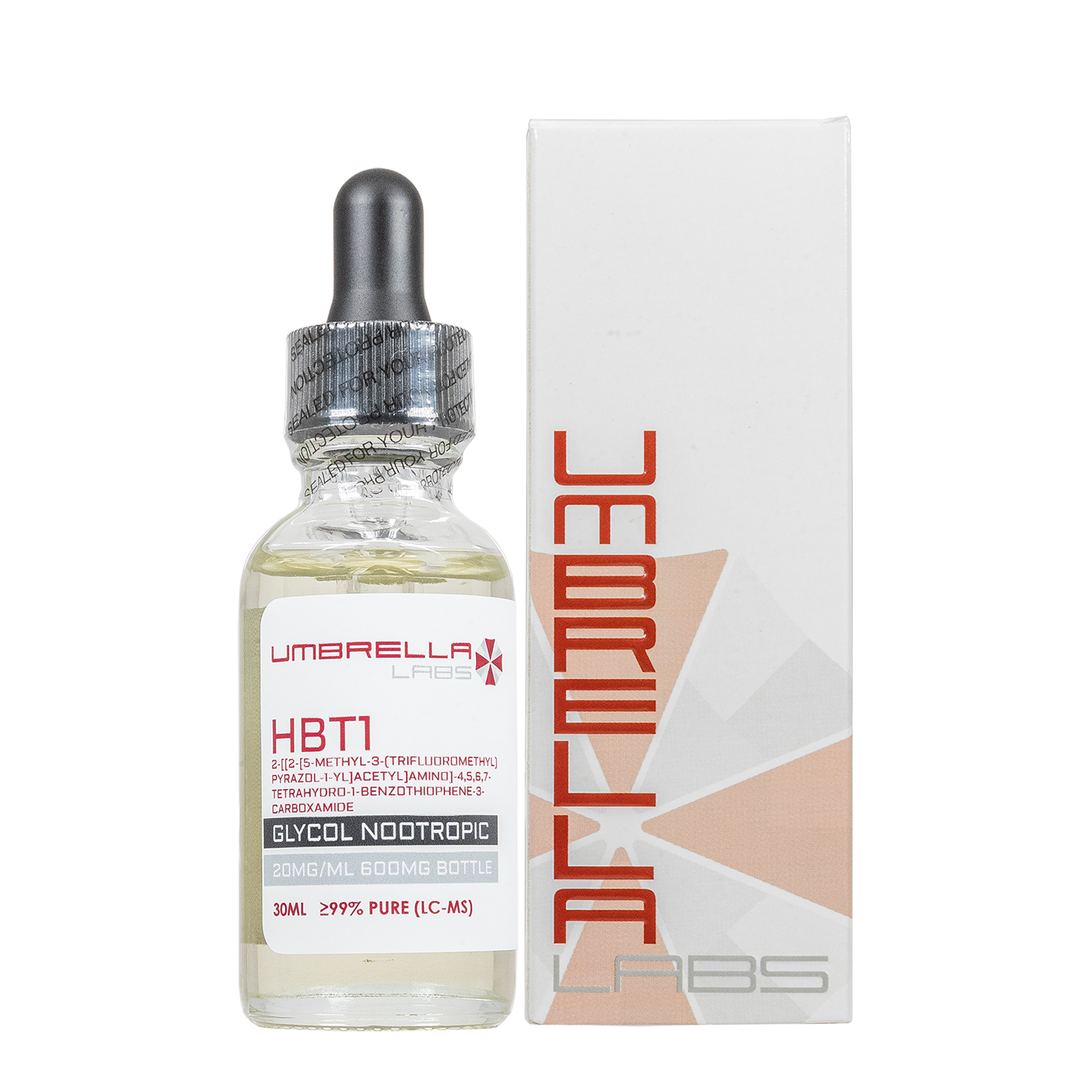
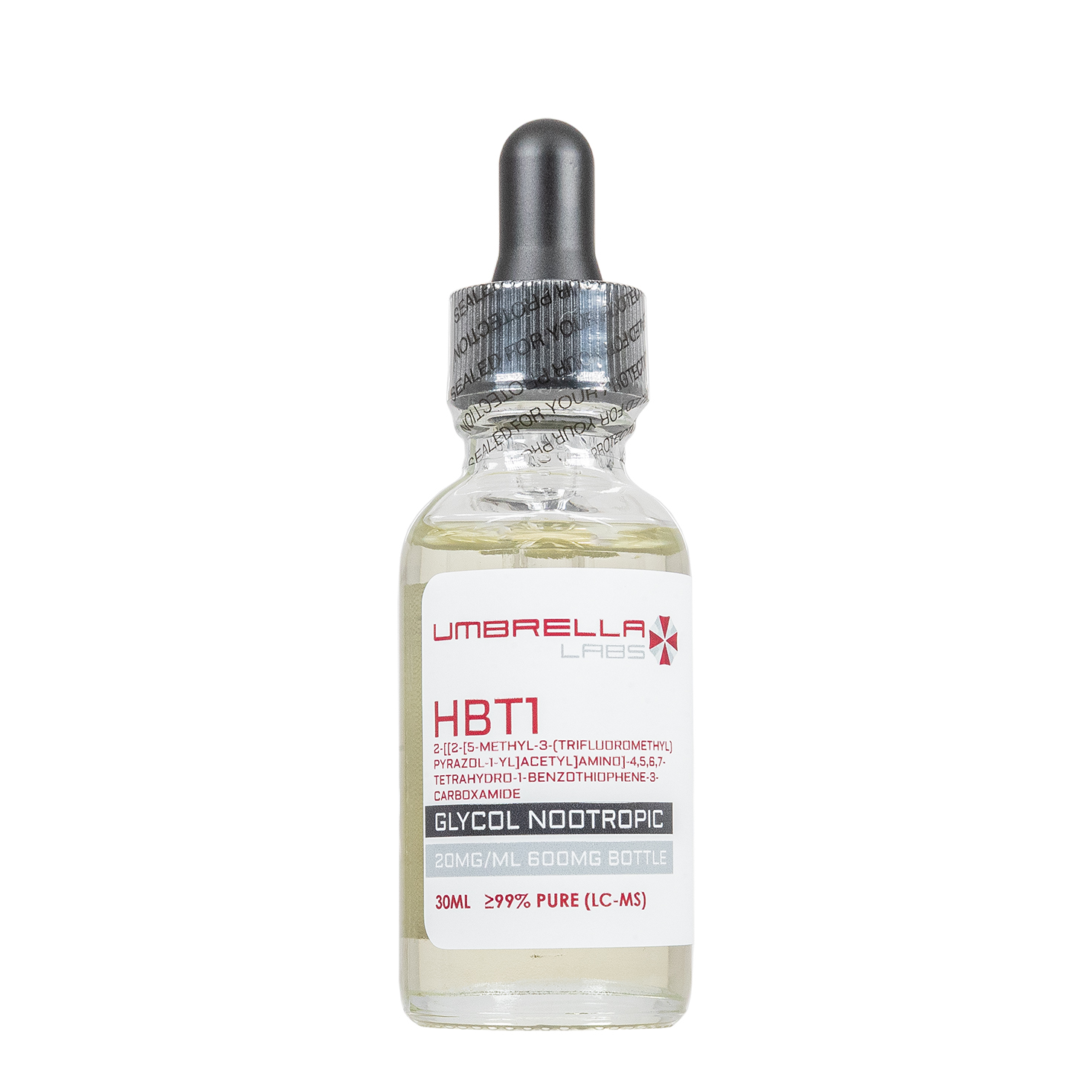
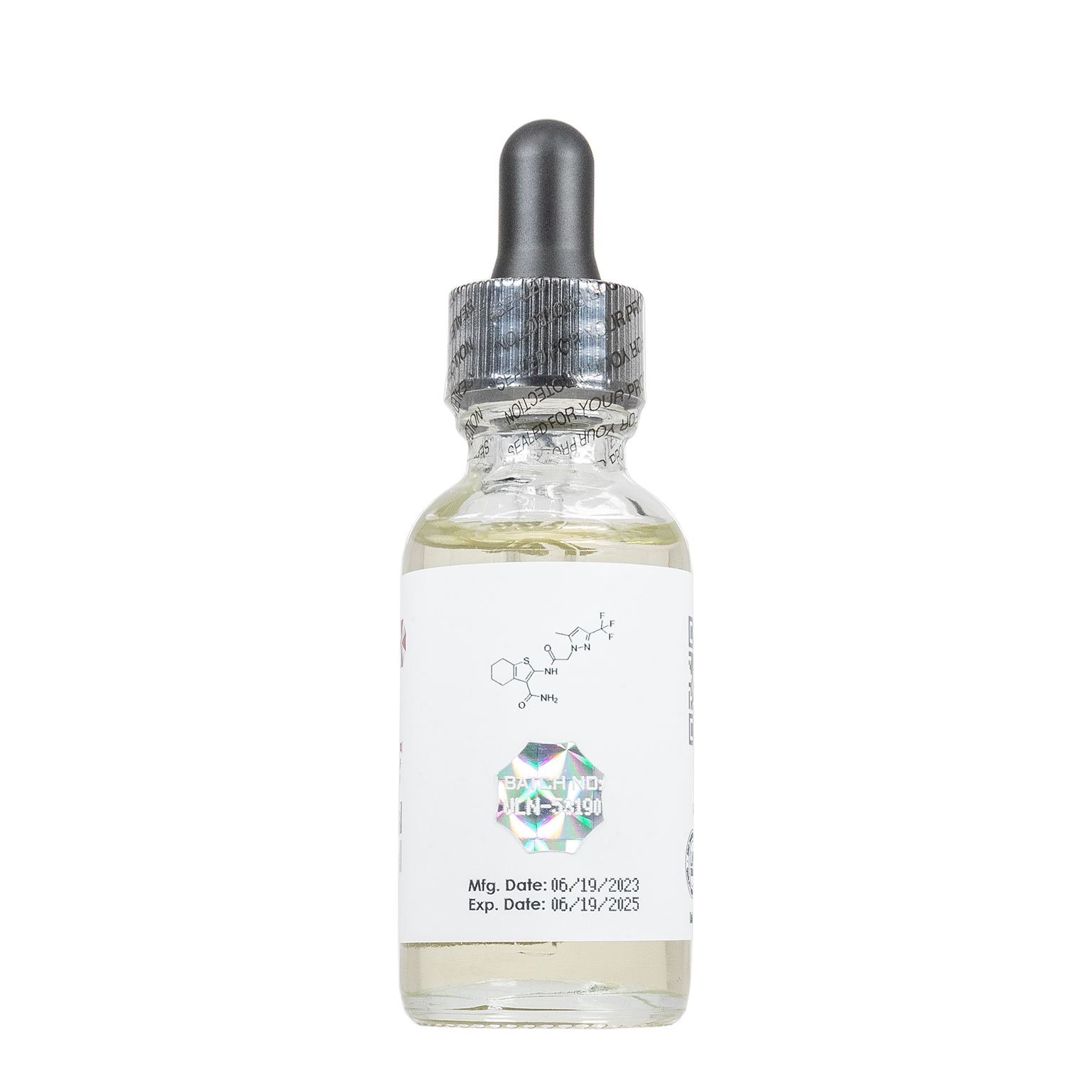
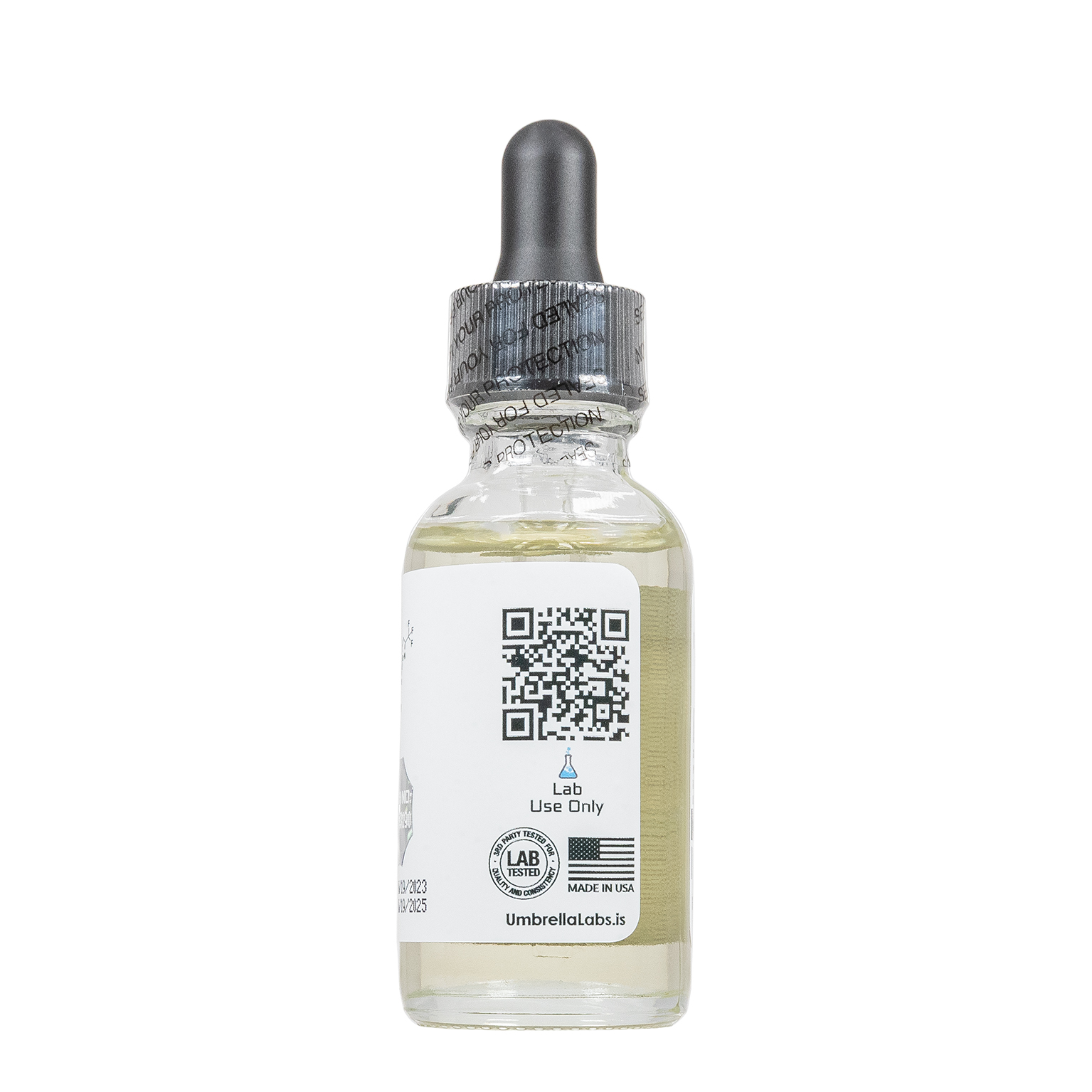
HBT1 (YDL223C) Nootropic Liquid








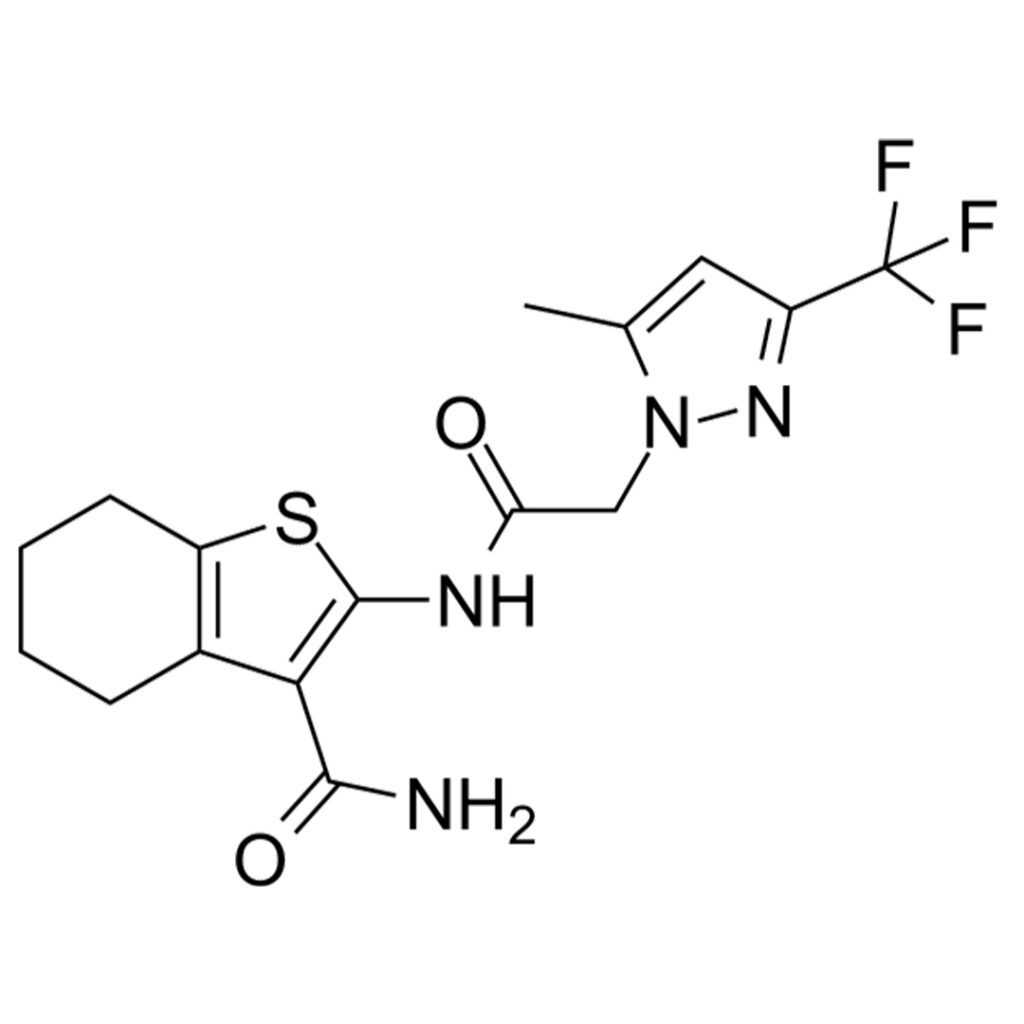
| CAS Number | 489408-02-8 |
| Other Names | AKOS024270212, BS-47734, 2-[[2-[5-Methyl-3-(trifluoromethyl)pyrazol-1-yl]acetyl]amino]-4,5,6,7-tetrahydro-1-benzothiophene-3-carboxamide |
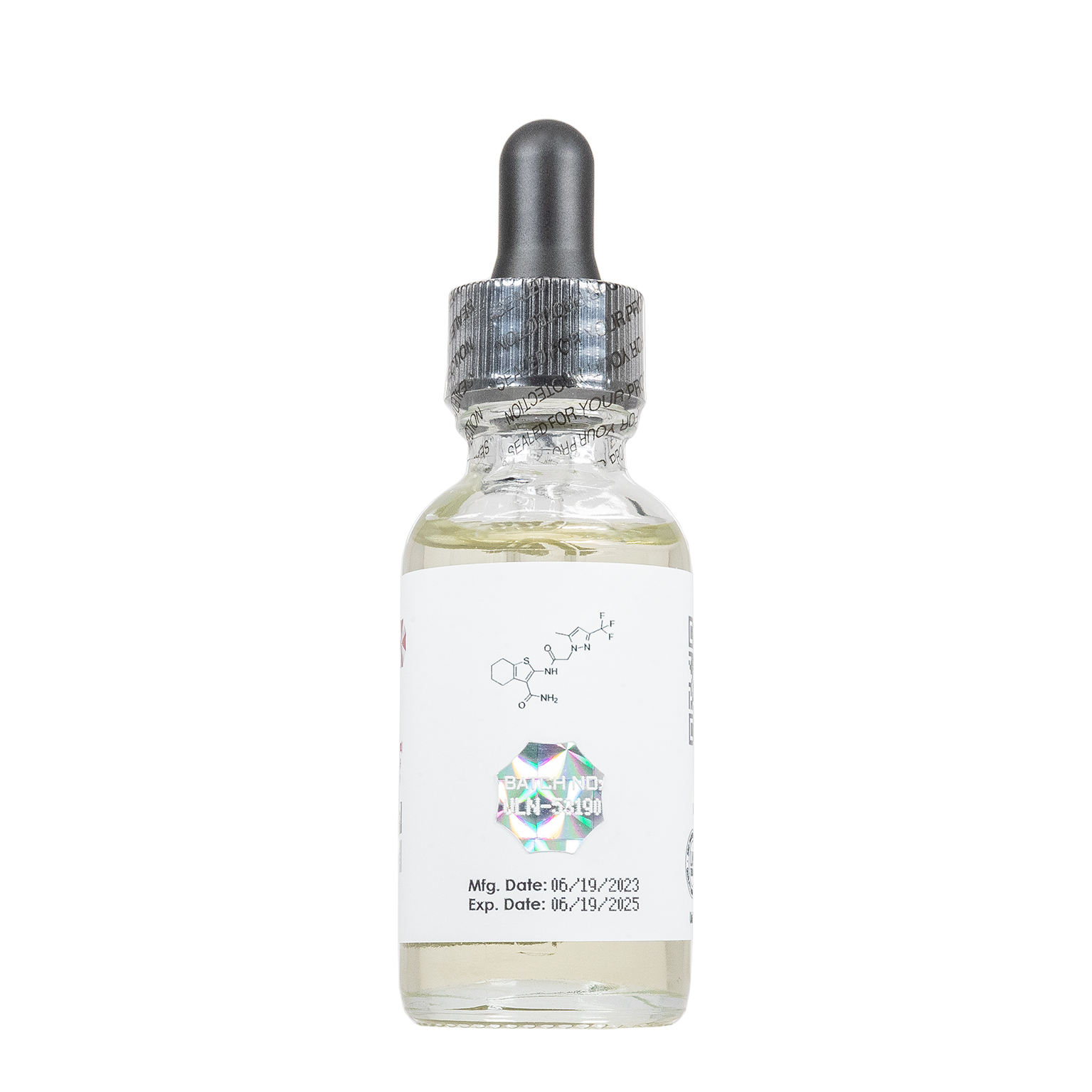
| IUPAC Name | 2-[[2-[5-methyl-3-(trifluoromethyl)pyrazol-1-yl]acetyl]amino]-4,5,6,7-tetrahydro-1-benzothiophene-3-carboxamide |
| Molecular Formula | C₁₆H₁₇F₃N₄O₂S |
| Molecular Weight | 386.39 |
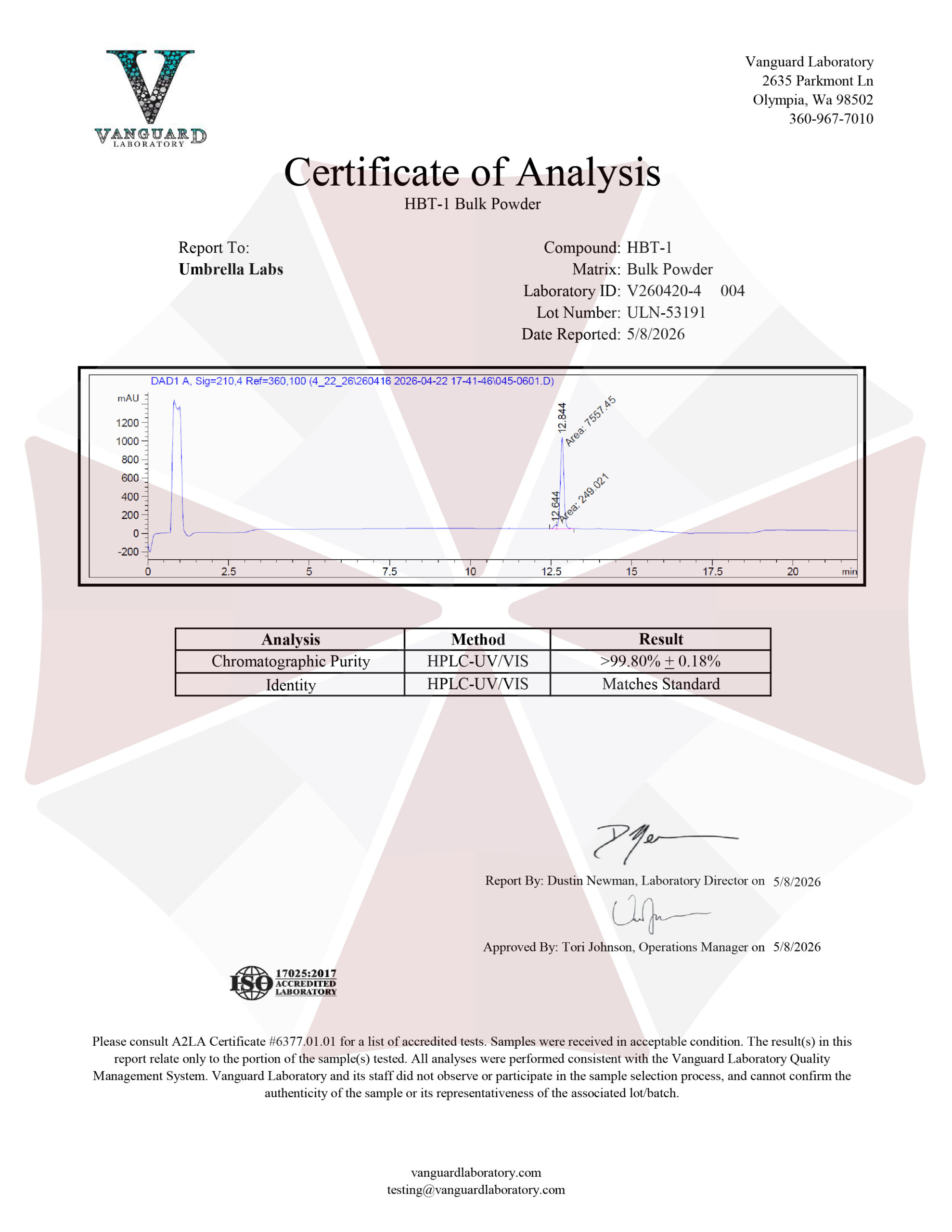
| Purity | ≥99% Pure (LC-MS) |
| Liquid Availability |  30mL liquid (20mg/mL, 600mg bottle) |
| Powder Availability | 1 gram |
| Storage | Store in cool dry environment, away from direct sunlight. |
| Terms | All products are for laboratory developmental research USE ONLY. Products are not for human consumption. |
What is HBT1?
HBT1 is an experimental nootropic compound that has gained attention for its potential to improve cognitive performance by selectively enhancing glutamatergic signaling in the brain. It acts as a positive allosteric modulator (PAM) of AMPA receptors, meaning it amplifies the receptors’ response to naturally released glutamate without directly stimulating them. This indirect mechanism is designed to support normal synaptic communication while reducing the likelihood of excessive neuronal excitation that can occur with direct receptor agonists. Experimental studies have shown that HBT1 promotes long-term potentiation (LTP), a fundamental process involved in learning and memory, and improves cognitive performance in animal models of memory impairment. These findings suggest that HBT1 may help preserve or restore synaptic function in conditions characterized by cognitive decline, including age-related memory loss and neurodegenerative disorders. HBT1 represents a promising therapeutic strategy that aims to enhance cognitive function by strengthening the brain’s natural mechanisms of synaptic plasticity and information processing.
Main Research Findings
1) HBT1 was shown to avoid a bell-shaped curve response in in vitro BDNFproduction.
2) AMPA type glutamate receptors similar to HBT1 have been shown to improve delayed recall in aging humans.
Selected Data
1) The study performed by Kunugi et al employed a comprehensive series of in vitro pharmacological, electrophysiological, biochemical, molecular, and structural biology techniques to identify and characterize HBT1, a novel AMPA receptor (AMPA-R) positive allosteric modulator with reduced agonistic activity compared with previously developed AMPA-R potentiators. The investigators aimed to determine whether minimizing agonistic activity could reduce the bell-shaped dose-response relationship commonly observed with other AMPA receptor modulators while maintaining their ability to enhance brain-derived neurotrophic factor (BDNF) production [1].
Primary hippocampal neurons were prepared from Sprague-Dawley rat embryos at embryonic day 19. Following dissection of the fetal hippocampi, neuronal tissue was enzymatically dissociated and plated onto poly-D-lysine- or poly-L-lysine-coated culture plates depending on the experimental assay. Cells were maintained in Neurobasal medium supplemented with B27, L-glutamine, penicillin, streptomycin, and gentamicin under standard cell culture conditions until they reached the appropriate maturation stage for each experiment. These primary neuronal cultures served as the principal experimental model because they more closely resemble native neuronal AMPA receptor physiology than recombinant cell lines.
To assess neurotrophic signaling, cultured hippocampal neurons were treated for 24 hours with HBT1, OXP1, LY451395, or LY451646 in either the presence or absence of low concentrations of AMPA. After treatment, cells were lysed and intracellular BDNF protein concentrations were quantified using a commercially available enzyme-linked immunosorbent immunoassay. Because excessive AMPA receptor activation can produce excitotoxicity, the investigators simultaneously evaluated cellular toxicity using a lactate dehydrogenase (LDH) release assay, in which extracellular LDH activity served as an indicator of membrane damage and neuronal death. These complementary assays allowed the researchers to determine whether changes in BDNF production reflected pharmacological activity rather than cytotoxic effects [1].
Electrophysiological characterization was performed using whole-cell patch-clamp recordings in cultured hippocampal neurons between 11 and 20 days after plating. Neurons were voltage-clamped while inward AMPA receptor-mediated currents were recorded before and after application of the test compounds, both in the presence and absence of exogenous AMPA. These experiments directly measured whether each compound functioned solely as a positive allosteric modulator or possessed intrinsic agonistic properties capable of activating AMPA receptors independently of glutamate.
The investigators also performed calcium influx assays using fluorescent calcium indicator dyes in both primary neurons and recombinant Chinese hamster ovary (CHO) cell lines expressing individual human AMPA receptor subunits together with transmembrane AMPA receptor regulatory proteins (TARPs). Calcium responses were measured after exposure to the test compounds with or without glutamate or AMPA. Additional experiments evaluated receptor subtype selectivity by testing multiple GluA1–GluA4 splice variants and examined potential off-target activity at kainate receptors. Pharmacological specificity was further confirmed through experiments using the competitive AMPA receptor antagonist NBQX. These assays enabled comparison between native neuronal receptors and recombinant receptor systems while determining whether HBT1 required endogenous glutamate for receptor activation [1].
To investigate receptor binding mechanisms, the researchers generated recombinant GluA2 ligand-binding domain (LBD) and amino-terminal domain (ATD) proteins. Radiolabeled forms of HBT1 and OXP1 were synthesized and used in scintillation proximity assays (SPA) to quantify ligand binding affinity, determine glutamate dependence, and identify competitive interactions between compounds. Additional membrane binding experiments were conducted using rat hippocampal tissue to evaluate interactions with native AMPA receptors. Competitive displacement assays with radiolabeled AMPA determined whether HBT1 or related compounds occupied the orthosteric glutamate-binding site or acted through distinct allosteric binding sites [1].
Structural characterization was performed using X-ray crystallography of purified GluA2 ligand-binding domains co-crystallized with glutamate and either HBT1 or LY451395. Recombinant proteins were expressed, purified through affinity and size-exclusion chromatography, crystallized using vapor diffusion techniques, and analyzed by synchrotron X-ray diffraction. Molecular replacement and iterative refinement generated high-resolution structures that identified ligand binding positions and amino acid interactions responsible for receptor modulation. These structural analyses allowed direct comparison of the molecular binding modes of HBT1 and LY451395 within the AMPA receptor ligand-binding domain.
Finally, all experimental data were analyzed using appropriate statistical procedures, including Student’s t-tests, Aspin-Welch tests, Bartlett’s tests, Williams’ tests, Shirley-Williams tests, and Dunnett’s multiple-comparison tests, depending on the experimental design and distribution of the data. Concentration-response relationships and EC₅₀ values were calculated using logistic regression analysis, with statistical significance established according to predefined probability thresholds. Collectively, this multidisciplinary experimental approach integrated cellular pharmacology, electrophysiology, receptor pharmacology, structural biology, and quantitative statistical analyses to comprehensively evaluate HBT1 as a novel AMPA receptor potentiator with reduced agonistic properties and improved pharmacological characteristics [1].
2) The study designed by Lynch et al evaluated whether the AMPA receptor positive modulator CX516 (1-(quinoxalin-6-ylcarbonyl)piperidine) could improve memory performance in healthy older adults while simultaneously assessing its safety and tolerability. The investigation was conducted as part of a larger safety trial involving male volunteers between 65 and 76 years of age. Participants were admitted to the clinical research unit the evening before testing, allowing investigators to standardize environmental conditions and minimize external variables that might influence cognitive performance. Baseline psychological and psychometric testing was completed prior to drug administration, after which subjects remained under close medical observation throughout the study period [2].
The experiment employed a randomized, double-blind, placebo-controlled design, ensuring that neither the participants nor the investigators conducting the behavioral assessments knew which treatment each participant received. Subjects were assigned to receive either placebo or a single oral dose of 300 mg, 600 mg, or 900 mg of CX516. Participants were tested in small groups consisting of six drug-treated subjects and four placebo-treated controls over approximately three months. To eliminate dietary influences on drug absorption, all participants fasted for ten hours before dosing and remained fasting for an additional three hours afterward. Following treatment, participants rested in bed while undergoing repeated behavioral testing and physiological monitoring.
Memory performance was evaluated using a verbal delayed-recall paradigm based on nonsense syllables. During each testing session, investigators played an audio recording containing ten three-letter nonsense syllables, after which participants attempted immediate recall followed by delayed recall five minutes later. Different syllable lists of equivalent difficulty were used for each testing period to reduce learning effects while maintaining consistent task complexity. Importantly, every participant tested during the same session heard identical syllable lists to maintain uniform experimental conditions. Memory testing was completed immediately before treatment and repeated 75 minutes and 135 minutes following drug administration, allowing investigators to determine whether cognitive performance corresponded with circulating drug concentrations over time [2].
In addition to objective memory testing, the investigators assessed subjective psychological state using the EWL-60 self-assessment inventory, a validated questionnaire composed of sixty descriptive adjectives grouped into fifteen psychological categories, including attentiveness, activity, confidence, mood, fatigue, anxiety, depression, and emotionality. Participants rated themselves on a four-point scale before treatment and again approximately sixty minutes after drug administration. These assessments were included to determine whether any observed improvements in memory resulted from nonspecific changes in alertness, mood, or psychological activation rather than direct cognitive enhancement.
Safety assessments were integrated throughout the study. Blood pressure and heart rate were measured repeatedly before and after treatment to monitor cardiovascular effects of CX516. Blood samples were collected at regular intervals and analyzed chromatographically to determine plasma concentrations of the drug immediately before and after each post-treatment memory assessment. Average plasma concentrations were calculated for the 60–90 minute and 120–150 minute post-dose periods, enabling investigators to compare pharmacokinetic measurements with cognitive performance. These measurements also allowed the researchers to examine dose-dependent drug exposure and determine whether declining plasma concentrations paralleled changes in behavioral outcomes [2].
Statistical analyses compared placebo and treatment groups across all behavioral and physiological outcomes. Delayed recall performance served as the primary efficacy endpoint, with differences analyzed using analysis of variance (ANOVA) followed by Tukey–Kramer post hoc comparisons when significant treatment effects were detected. Immediate recall scores were analyzed separately using nonparametric statistical methods because of distributional considerations. Physiological variables and psychological self-assessment scores were also compared across treatment groups to identify any drug-related adverse effects or nonspecific behavioral changes. By integrating standardized cognitive testing, subjective psychological assessments, pharmacokinetic measurements, cardiovascular monitoring, and rigorous statistical analyses within a randomized double-blind framework, the investigators developed a comprehensive methodology capable of evaluating both the cognitive efficacy and short-term safety profile of CX516 in an elderly population [2].
Discussion
1) The study by Kunugi et al demonstrated that HBT1 possesses a distinct pharmacological profile compared with previously developed AMPA receptor potentiators by enhancing AMPA receptor function while exhibiting minimal intrinsic agonistic activity. The investigators first confirmed that the established AMPA receptor potentiators LY451646 and LY451395 displayed undesirable bell-shaped dose-response curves for BDNF production in cultured rat hippocampal neurons. Both compounds significantly increased BDNF production at low to moderate concentrations but lost efficacy as concentrations increased. Importantly, these compounds also stimulated BDNF production even in the absence of exogenous AMPA, indicating intrinsic agonistic activity rather than purely positive allosteric modulation. Lactate dehydrogenase release assays demonstrated that these bell-shaped responses were not primarily caused by cytotoxicity, suggesting that excessive receptor activation contributed to the loss of efficacy at higher concentrations. These findings led the authors to propose that intrinsic agonistic activity may underlie the bell-shaped pharmacological responses observed with earlier AMPA receptor potentiators [1].
Electrophysiological studies supported this hypothesis by showing that LY451395 generated AMPA receptor-mediated currents even in the absence of agonist during whole-cell patch-clamp recordings from primary hippocampal neurons. Calcium influx experiments further demonstrated that LY451395 produced calcium entry in primary neurons both with and without AMPA. Interestingly, this agonistic behavior was absent in recombinant CHO cells expressing AMPA receptors, where receptor activation required glutamate. These findings revealed an important difference between native neuronal AMPA receptors and recombinant receptor systems, indicating that conventional screening methods using transfected cell lines may fail to identify compounds with undesirable agonistic properties. Competitive binding experiments also demonstrated that LY451395 did not displace radiolabeled AMPA from its orthosteric binding site, indicating that receptor activation occurred through allosteric rather than direct agonist binding [1].
Screening of the compound library identified two novel AMPA receptor potentiators, HBT1 and OXP1, which were subsequently characterized in detail. Both compounds potentiated AMPA receptor-mediated calcium influx in recombinant cells and primary neurons in a glutamate-dependent manner, confirming that they functioned as positive allosteric modulators. However, significant differences emerged during electrophysiological testing. Whole-cell patch-clamp recordings showed that HBT1 produced receptor-mediated currents only when AMPA was present, whereas OXP1 activated AMPA receptors even in the absence of agonist, resembling the behavior of LY451395. These observations demonstrated that HBT1 exhibited substantially lower intrinsic agonistic activity than either OXP1 or previously developed AMPA receptor potentiators.
The BDNF production assays further highlighted the advantages of HBT1. In the presence of AMPA, HBT1 produced a concentration-dependent increase in BDNF protein that remained elevated across a broad concentration range without displaying the bell-shaped decline observed for LY451646, LY451395, and OXP1. Furthermore, HBT1 failed to stimulate BDNF production in the absence of AMPA at therapeutically relevant concentrations, confirming its low agonistic profile. By contrast, OXP1 displayed both agonistic activity and a bell-shaped dose-response similar to the earlier compounds. Cytotoxicity measurements also favored HBT1, as it produced no significant lactate dehydrogenase release either in the presence or absence of AMPA, whereas OXP1 caused modest but statistically significant toxicity at higher concentrations. These results strongly suggested that reducing intrinsic agonistic activity decreases the likelihood of bell-shaped pharmacological responses while preserving neurotrophic efficacy [1].
Binding studies revealed that HBT1 interacted directly with the ligand-binding domain (LBD) of the AMPA receptor in a glutamate-dependent manner. Radiolabeled HBT1 bound specifically to recombinant GluA2 ligand-binding domains and to native rat hippocampal membranes only when glutamate was present, indicating that receptor activation required endogenous agonist binding. Structural analysis using X-ray crystallography showed that HBT1 occupied the established allosteric pocket at the ligand-binding domain dimer interface but adopted a binding orientation distinct from LY451395. Unlike LY451395, HBT1 formed hydrogen bonds with the amino acid residue Ser518, providing a unique interaction that may contribute to its reduced agonistic activity. In contrast, OXP1 did not bind detectably to the same ligand-binding pocket and instead appeared to interact with a separate receptor site, possibly involving the amino-terminal domain, although its precise binding location could not be definitively established.
Additional experiments demonstrated that OXP1 enhanced HBT1 binding to AMPA receptors and that simultaneous application of both compounds activated receptors even in the absence of agonist, further supporting the existence of multiple allosteric binding sites capable of cooperatively modulating receptor activity. Collectively, the results showed that HBT1 functions as a glutamate-dependent AMPA receptor potentiator with minimal intrinsic agonistic activity, sustained enhancement of BDNF production across a wide concentration range, low cytotoxicity, and a unique structural binding mode. Although the authors noted that HBT1 itself possesses poor pharmacokinetic properties that limit its direct therapeutic development, they concluded that its pharmacological profile provides an important framework for designing next-generation AMPA receptor modulators with improved safety and efficacy, ultimately leading to the development of the clinical candidate TAK-653 [1].
2) The study performed by the research team of Lynch et al found that administration of the AMPA receptor modulator CX516 produced encouraging evidence of improved memory performance in elderly participants, particularly at the highest dose tested. Plasma drug concentrations increased proportionally with dosage, demonstrating appropriate pharmacokinetic behavior. Participants receiving 900 mg exhibited plasma concentrations nearly three times higher than those receiving 600 mg during the first post-treatment testing period, while drug levels declined by more than half between the first and second cognitive assessments. This predictable decrease in circulating drug concentrations provided an important context for interpreting the behavioral findings, as the strongest cognitive effects were anticipated during the earlier testing session when plasma concentrations were highest [2].
The principal outcome measure, delayed recall of nonsense syllables, demonstrated a statistically significant treatment effect approximately 75 minutes after administration. Overall analysis revealed a significant difference among treatment groups, with subjects receiving 900 mg CX516 recalling substantially more syllables after the five-minute delay than participants receiving placebo or the 300-mg dose. Performance in the 600-mg group fell between the placebo and highest-dose groups, suggesting a dose-dependent improvement in delayed memory. The enhancement remained statistically significant even after exclusion of one participant in the 600-mg group who displayed unusually high baseline performance, indicating that the findings were not driven by a single outlier.
Although delayed recall improved significantly, immediate recall showed only modest enhancement. Across all participants, immediate recall increased after drug administration, and the 900-mg group demonstrated the highest average scores. However, these improvements did not achieve statistical significance, suggesting that CX516 preferentially enhanced memory encoding or consolidation rather than simple short-term retrieval immediately after learning. This selective improvement supported the hypothesis that AMPA receptor potentiation primarily strengthens the neural mechanisms underlying memory formation rather than broadly increasing cognitive performance across all domains [2].
The beneficial effects appeared to be transient. During the second cognitive assessment conducted 135 minutes after dosing, differences among treatment groups were no longer statistically significant. Investigators attributed this decline to the marked reduction in plasma CX516 concentrations over time, which paralleled the disappearance of measurable cognitive benefits. The temporal relationship between drug exposure and behavioral improvement strengthened the interpretation that the observed memory enhancement resulted directly from pharmacological activity rather than chance variation or practice effects [2].
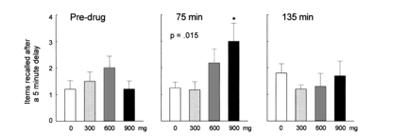
Figure 1: Changes in the number of items recalled after a 5 minute delay measured prior to drug administration, 75 minutes after drug administration, and 135 minutes after drug administration.
Importantly, the investigators found no evidence of clinically meaningful adverse physiological effects. Heart rate and diastolic blood pressure remained similar across placebo and treatment groups throughout the observation period. Although systolic blood pressure tended to be somewhat lower in participants receiving the highest dose, the difference was not statistically significant and closely resembled measurements obtained in placebo-treated individuals tested during the same sessions. These findings suggested that CX516 could enhance cognitive performance without producing significant cardiovascular side effects under the conditions studied.
Similarly, psychological self-assessments revealed no meaningful differences between placebo and drug-treated participants across measures of attentiveness, activity, confidence, mood, fatigue, anxiety, depression, emotionality, or other subjective psychological states. Because the drug did not increase alertness, elevate mood, or alter self-perceived psychological functioning, the investigators concluded that the observed memory improvements were unlikely to result from generalized stimulation or changes in arousal. Instead, the cognitive enhancement appeared to reflect a more selective action on neural circuits responsible for learning and memory [2].
The investigators further emphasized that elderly participants generally demonstrated substantially poorer baseline delayed recall than younger adults examined in previous studies of CX516. Remarkably, participants receiving 900 mg more than doubled their delayed recall performance compared with baseline, approaching levels previously observed in younger individuals. When considered alongside earlier animal studies showing reversal of age-related memory deficits, these findings supported the conclusion that AMPA receptor modulation may partially compensate for age-associated declines in glutamatergic synaptic function. The consistent relationship among drug dose, plasma concentration, timing of behavioral improvement, absence of nonspecific psychological changes, and favorable safety profile led them to conclude that CX516 demonstrated meaningful potential as a therapeutic agent for improving memory in older adults and justified further clinical investigation [2].
Disclaimer
**LAB USE ONLY**
*This information is for educational purposes only and does not constitute medical advice. THE PRODUCTS DESCRIBED HEREIN ARE FOR RESEARCH USE ONLY. All clinical research must be conducted with oversight from the appropriate Institutional Review Board (IRB). All preclinical research must be conducted with oversight from the appropriate Institutional Animal Care and Use Committee (IACUC) following the guidelines of the Animal Welfare Act (AWA).
Citations
[1] Kunugi A, Tajima Y, Kuno H, Sogabe S, Kimura H. HBT1, a Novel AMPA Receptor Potentiator with Lower Agonistic Effect, Avoided Bell-Shaped Response in In Vitro BDNF Production. J Pharmacol Exp Ther. 2018;364(3):377-389. doi:10.1124/jpet.117.245050
[2] Lynch G, Granger R, Ambros-Ingerson J, Davis CM, Kessler M, Schehr R. Evidence that a positive modulator of AMPA-type glutamate receptors improves delayed recall in aged humans. Exp Neurol. 1997;145(1):89-92. doi:10.1006/exnr.1997.6447
HBT1 (YDL223C) is sold for laboratory research use only. Terms of sale apply. Not for human consumption, nor medical, veterinary, or household uses. Please familiarize yourself with our Terms & Conditions prior to ordering.
| File Name | View/Download |
| 2026-05-08-Umbrella-Labs-HBT-1-Certificate-of-Analysis-COA.pdf |  |
VIEW CERTIFICATES OF ANALYSIS (COA)