

Description
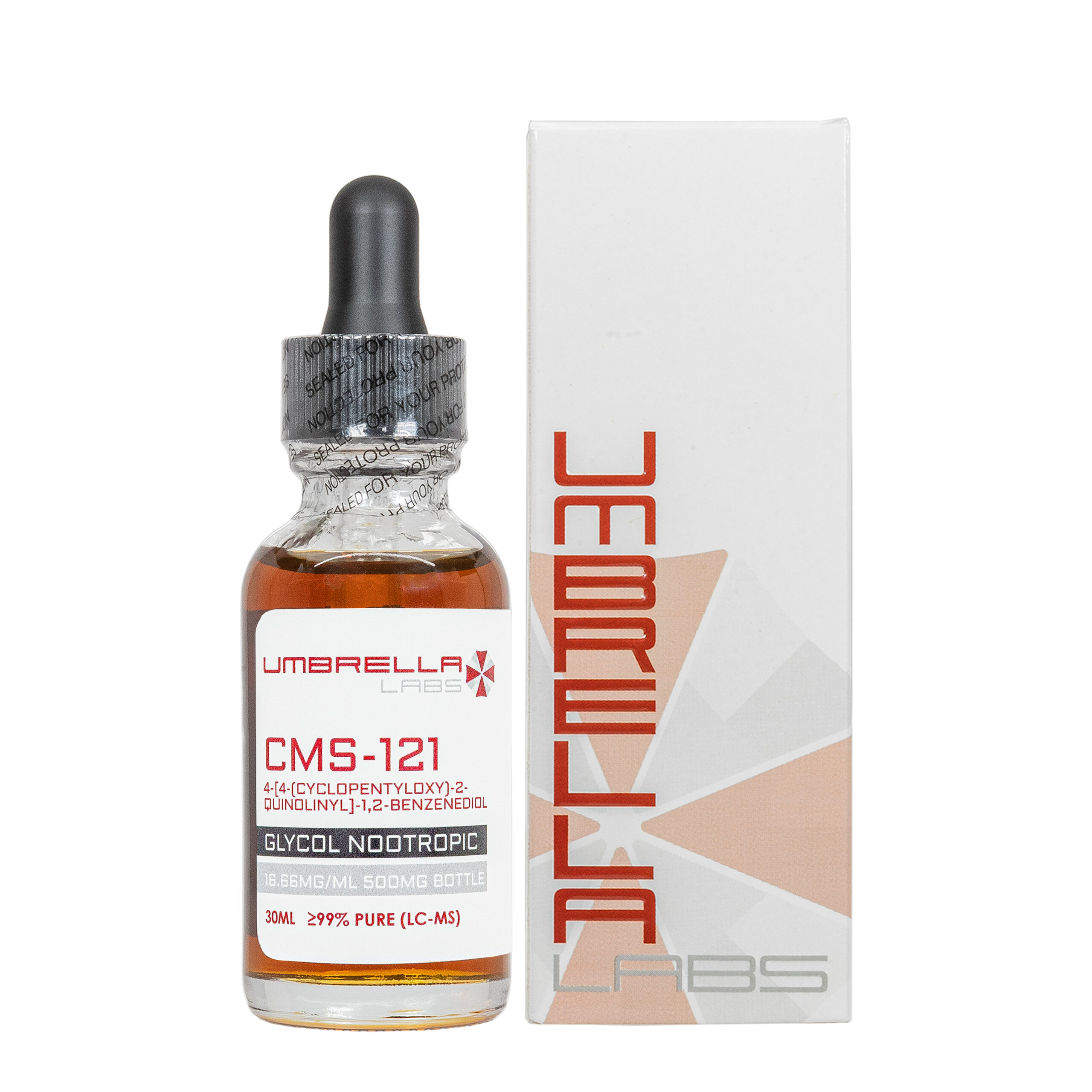
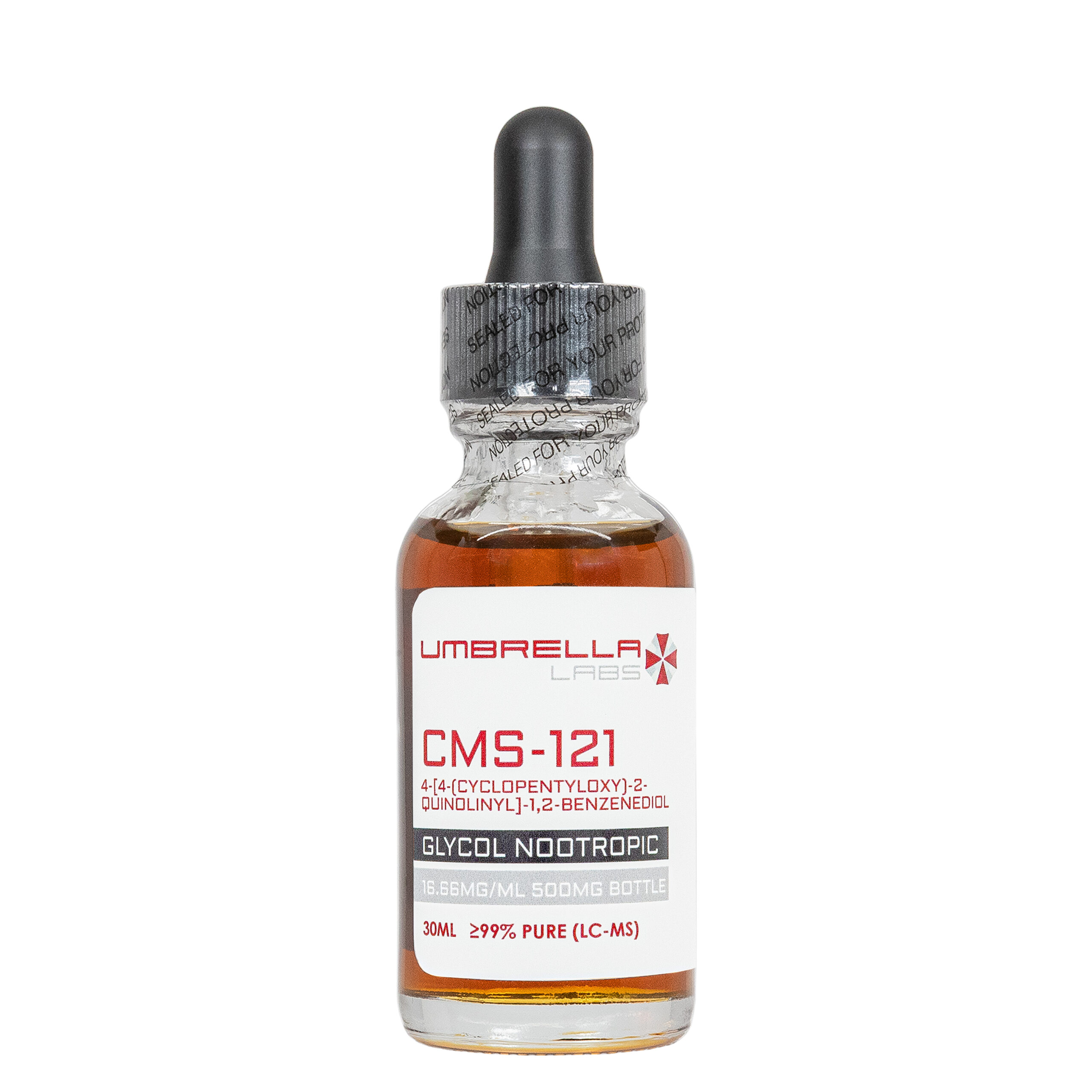
CMS-121 Nootropic Liquid







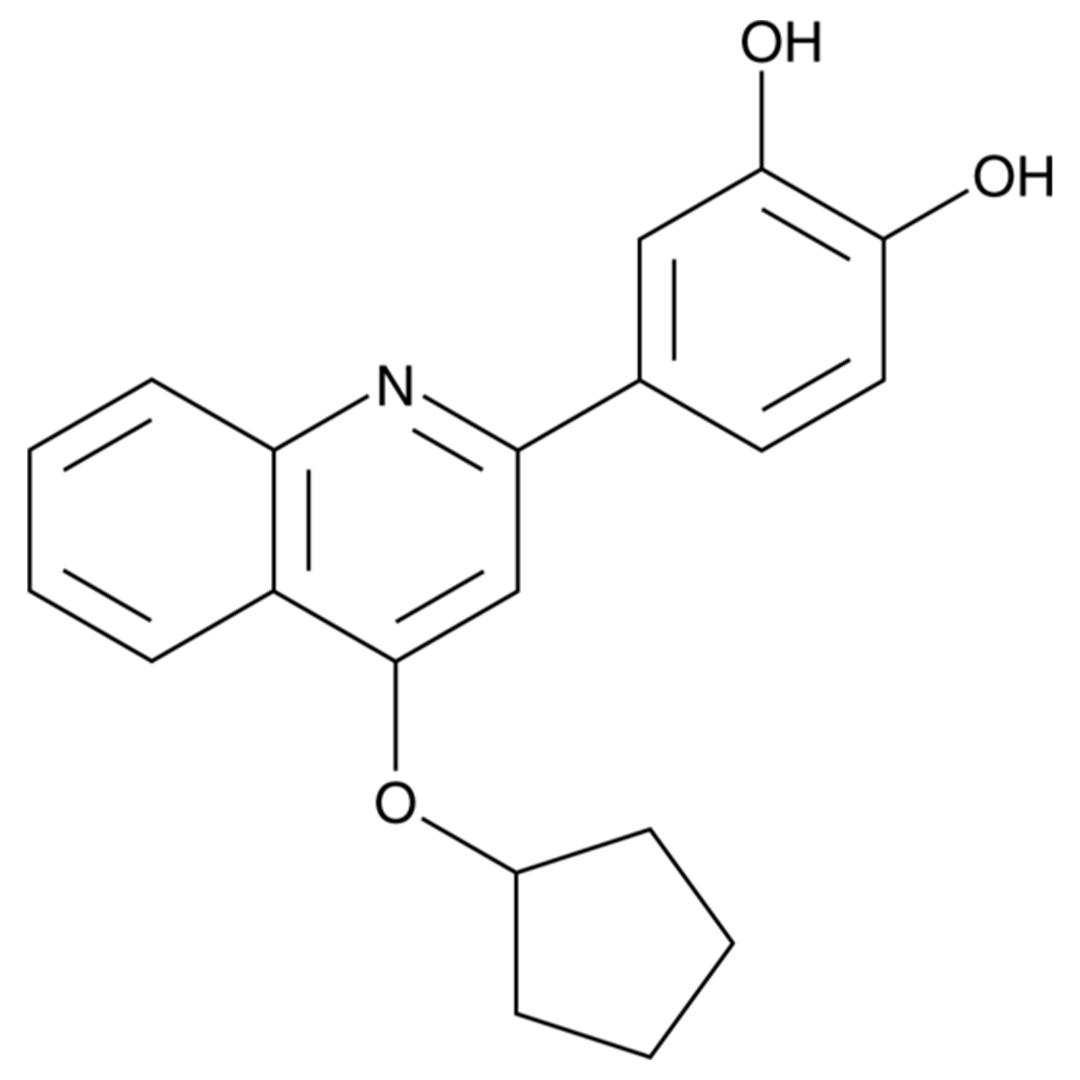
| CAS Number | 1353224-53-9 |
| Other Names | CMS121, CMS 121, BW9P9F8JEY, UNII-BW9P9F8JEY, CHEMBL1951865, SCHEMBL14697212, EX-A4377 |
| IUPAC Name |
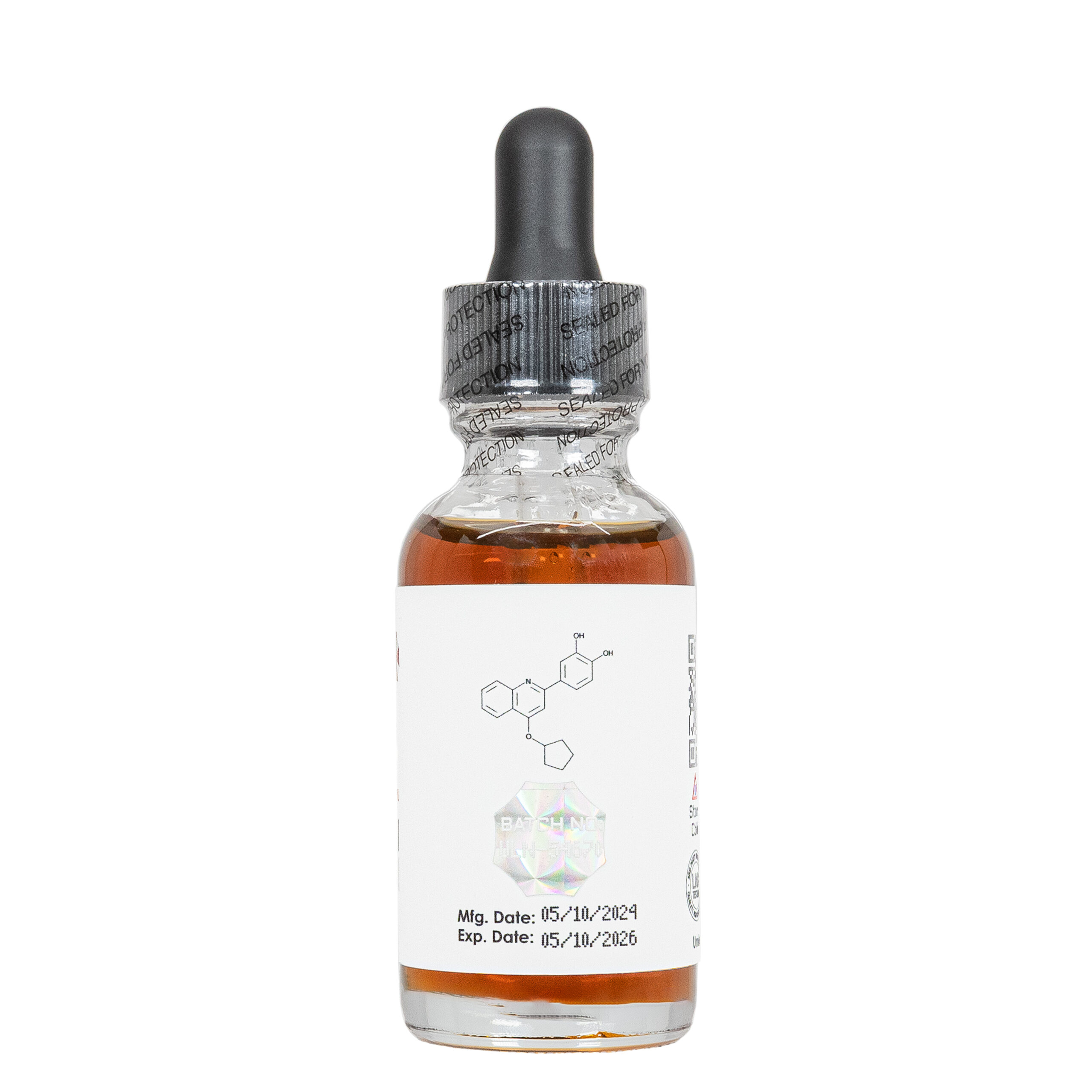
4-[4-(cyclopentyloxy)-2-quinolinyl]-1,2-benzenediol
|
| Molecular Formula | C₂₀H₁₉NO₃ |
| Molecular Weight | 321.4 |
| Purity | ≥99% Pure (LC-MS) |
| Liquid Availability |  30mL liquid (16mg/mL, 500mg bottle) |
| Powder Availability | 60 capsules (25mg/capsule, 1500mg bottle)
|
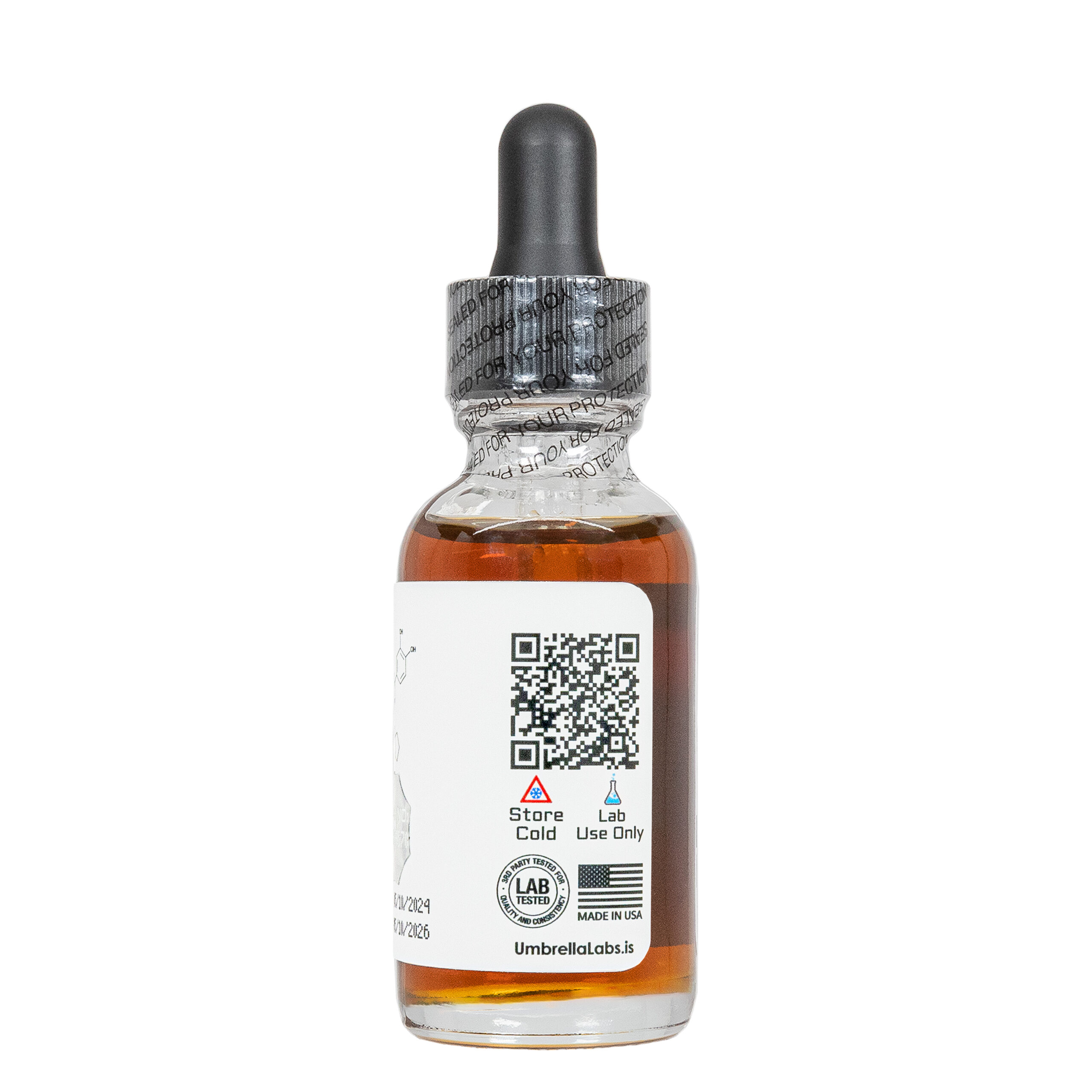
| Storage | Store at 2º – 8º celsius. |
| Terms | All products are for laboratory developmental research USE ONLY. Products are not for human consumption. |
What is CMS-121?
CMS-121 is a nootropic and neuroprotective compound derived from the naturally occurring flavonoid fisetin that has been engineered to target multiple biological processes associated with cognitive aging and neurodegeneration. Previous studies have demonstrated that CMS-121 supports neuronal health by preserving mitochondrial function, reducing oxidative stress, attenuating neuroinflammation, and enhancing cellular energy metabolism. Rather than acting primarily through modulation of neurotransmitter systems, CMS-121 appears to promote cognitive function by protecting neurons from age-related metabolic dysfunction, inhibiting lipid peroxidation, and regulating fatty acid metabolism and ferroptosis-related pathways. Experimental evidence has shown that these mechanisms contribute to improvements in learning and memory while reducing synaptic dysfunction and pathological features associated with Alzheimer’s disease and normal brain aging. Collectively, these findings suggest that CMS-121 is a promising multimodal neuroprotective agent with potential applications for slowing cognitive decline and combating neurodegenerative disorders.
Main Research Findings
1) CMS-121 was shown to protect against inflammation and lipid peroxidation while alleviating cognitive impairments.
1) Administration of CMS-121 was shown to reduce disease progression in an animal model of Huntington’s Disease.
Selected Data
1) The study by Ates et al investigated the effects of CMS121, a small-molecule derivative of the flavonoid fisetin, on Alzheimer’s disease (AD)-associated cognitive dysfunction and examined the molecular mechanisms underlying its protective effects. CMS121 had originally been developed through a phenotypic drug-discovery approach designed to identify compounds capable of protecting cells against several toxic processes associated with neurodegeneration, including oxidative stress, inflammation, and ischemia. In particular, the compound had demonstrated the ability to protect neuronal cells from oxytosis/ferroptosis, forms of regulated cell death associated with glutathione depletion, reactive oxygen species generation, and excessive lipid peroxidation. The present study was designed to determine whether these cellular effects translated into improved cognition in an established transgenic AD model and to identify a molecular target through which CMS121 altered lipid metabolism and protected against neurodegenerative toxicity. The investigators specifically examined spatial learning and memory, contextual memory, and behavioral disinhibition in APPswe/PS1ΔE9 double-transgenic mice. They also evaluated lipid peroxidation, neuroinflammation, lipid metabolites, and fatty acid synthase (FASN), a central enzyme involved in lipid biosynthesis [1] .
The primary in vivo model consisted of male APPswe/PS1ΔE9 transgenic mice and age-matched C57BL/6J wild-type controls. The transgenic mice express a mouse/human chimeric APPswe gene and mutant human presenilin-1 PS1ΔE9 on a C57BL/6J genetic background. Treatment began when the animals were nine months old, an age at which the investigators had previously demonstrated cognitive deficits and at which AD-like pathology was already substantially established. Twelve animals were randomly assigned to each experimental group. CMS121 was incorporated into the diet at a concentration of 400 ppm, producing an estimated average intake of approximately 34 mg/kg/day. Treatment continued for three months, after which the animals underwent behavioral testing and tissue collection. Behavioral testing and data analysis were conducted by different investigators who were blinded to the treatment group, reducing the possibility of observer bias. Body weight and food consumption were monitored weekly, and no significant differences in these measures were reported among the groups.
The investigators used three behavioral paradigms to evaluate different dimensions of cognition and behavior. Spatial learning and memory were assessed using a two-day Morris Water Maze (MWM). On the first day, animals were trained to locate a visible platform using environmental cues surrounding the pool. Four visible-platform trials were conducted, with each trial lasting up to 180 seconds. On the second day, 24 hours after the final visible-platform trial, the platform was hidden and animals completed three hidden-platform trials. Escape latency, defined as the time required to locate the hidden platform, was automatically recorded using Noldus EthoVision video-tracking software. The elevated plus maze (EPM) was used to assess disinhibition, an abnormal behavioral characteristic associated with AD. Animals were placed on an elevated plus-shaped apparatus containing two open and two enclosed arms for five minutes, and the amount of time spent in the open versus closed arms was quantified using the same automated tracking system. Contextual memory was evaluated with a fear-conditioning paradigm. On the first day, mice explored the chamber before receiving a 30-second, 2-kHz tone followed immediately by a 0.7-mA foot shock lasting two seconds. This tone-shock pairing was repeated, after which animals were allowed to explore the chamber again. Twenty-four hours later, the mice were returned to the same environment without receiving a tone or shock, and freezing behavior was measured as an indicator of contextual memory [1].
The study incorporated several biochemical and molecular approaches to determine how CMS121 affected AD-associated pathology. Western blotting was performed on hippocampal tissue and cultured-cell lysates to quantify proteins associated with lipid peroxidation, inflammation, amyloid pathology, and lipid metabolism. Tissue was homogenized in a RIPA buffer containing protease and phosphatase inhibitors, sonicated, centrifuged, and analyzed for protein concentration. Equal amounts of protein were separated by SDS-polyacrylamide gel electrophoresis, transferred to nitrocellulose membranes, and incubated with antibodies against 4-hydroxynonenal (4HNE), 15-lipoxygenase-2 (15LOX2), amyloid-β, cyclooxygenase-2 (COX2), FASN, glial fibrillary acidic protein (GFAP), and inducible nitric oxide synthase (iNOS). Protein expression was normalized to actin. These measurements allowed the investigators to determine whether CMS121 reduced oxidative lipid damage and inflammatory activation in the brains of treated animals.
The investigators additionally examined lipid metabolism using untargeted metabolomics of mouse cortical tissue. Cortex samples were snap frozen and processed using an automated extraction procedure. Extracted metabolites were analyzed using multiple mass-spectrometry platforms, including UPLC-MS/MS in both positive- and negative-ion modes and GC-MS. Metabolites were identified through comparison with authenticated standards and metabolomic databases, while peak areas were used for quantification. The study also employed several complementary cell-culture models. HT22 mouse hippocampal neuronal cells and HeLa cells were cultured in DMEM, while BV2 microglial cells were maintained in low-glucose DMEM. MC65 cells, an inducible model of intracellular Aβ toxicity, were cultured with tetracycline to suppress intracellular Aβ production. Lipid peroxidation was measured using the fluorescent probe Bodipy 581/591 in HT22 neurons and BV2 microglia. RSL3, a GPX4 inhibitor, was used to induce lipid peroxidation in HT22 cells, while LPS was used to activate inflammatory responses in BV2 microglia. Furthermore, the researchers examined whether FASN suppression protected HT22 cells from glutamate-, erastin-, or RSL3-induced oxytosis/ferroptosis and whether it reproduced CMS121’s effects on lipid peroxidation and inflammatory signaling [1].
2) The study performed by the research team of Ates et al investigated whether CMS121, a chemically modified derivative of the flavonol fisetin, could slow disease progression in experimental models of Huntington’s disease (HD). The investigators selected CMS121 from a larger group of more than 160 synthetic fisetin derivatives because earlier work demonstrated that it retained several of fisetin’s potentially neuroprotective biological activities while possessing improved pharmacological properties. Fisetin had previously demonstrated beneficial effects in models of HD, Alzheimer’s disease, ischemic stroke, and other neurological disorders. The rationale for the present study was based on the complex pathology of HD, which involves abnormalities in transcription, protein processing, oxidative stress, mitochondrial function, inflammation, and other cellular processes. Because these processes involve multiple interacting pathways, the authors proposed that a compound with multiple biological effects might be more useful than a treatment directed against a single molecular target. CMS121 had previously demonstrated efficacy in models of Alzheimer’s disease and had favorable pharmacological characteristics, including good oral bioavailability and brain exposure. The current study therefore evaluated CMS121 in two established mouse models of HD, R6/2 and YAC128, with particular emphasis on motor function, body weight, lifespan, and molecular changes within the striatum [2].
The first experimental model was the R6/2 mouse, an aggressive model of HD characterized by the development of strong and rapidly progressive behavioral abnormalities. One week after arrival, baseline motor performance was assessed using both the open-field test and rotarod. The animals were then allocated to three treatment groups: a control diet, a diet containing 200 ppm CMS121, or a diet containing 400 ppm CMS121. The distribution procedure was designed so that the treatment groups did not differ in baseline motor performance before treatment began. CMS121 administration began at six weeks of age, following baseline testing. Motor performance was evaluated every two weeks using the rotarod and open-field tests, while body weight was recorded weekly. Forelimb and hindlimb grip strength was measured at 13 weeks. At approximately 14 weeks, six mice from each group were sacrificed, and their striata were collected for molecular analysis. The remaining animals continued to be followed for motor performance, body weight, and lifespan.
The second model was the YAC128 mouse, which produces a substantially slower and milder HD phenotype than R6/2 mice. Male hemizygous YAC128 mice expressing full-length human huntingtin gene with approximately 120 CAG repeats were studied alongside non-carrier controls. The YAC128 mice were randomly assigned to either control diet or 200 ppm CMS121 treatment. Each treatment group initially contained 15 mice, while 19 non-carrier mice served as controls. The groups were balanced so that there were no significant baseline differences in motor performance or body weight before treatment. Baseline motor testing was conducted shortly after the mice arrived, after which treatment began approximately one month later. Because the YAC128 model develops motor abnormalities much more slowly than R6/2 mice, motor function was evaluated at approximately seven, nine, thirteen, and eighteen months of age. Body weight was also monitored longitudinally. The researchers selected 200 ppm CMS121 for this model because that concentration had appeared more effective than 400 ppm in the R6/2 experiments with respect to motor dysfunction and lifespan. The use of the slower YAC128 model also allowed the investigators to examine the effects of CMS121 when treatment was initiated before obvious motor symptoms developed [2].
Several behavioral methods were used to characterize motor function. The rotarod assessed motor coordination, balance, and endurance. Before formal testing, animals underwent training consisting of three to four 60-second exposures at five revolutions per minute. During experimental trials, the rotarod accelerated from zero to 50 rpm over 180 seconds. Each mouse completed three trials separated by 15-minute intervals, and the latency to fall was recorded and averaged. The open-field test provided an assessment of spontaneous locomotor activity. Horizontal and vertical activity was recorded automatically for 30 minutes. Grip strength provided an additional assessment of neuromuscular function. Forelimb and hindlimb strength were measured separately using a grip-strength meter. Each mouse grasped a grid and was slowly pulled away from the sensor until it released the grid. Five measurements were obtained, and the mean force was calculated for each animal. These complementary assays allowed the investigators to evaluate coordination, spontaneous activity, and muscular strength rather than relying on a single behavioral outcome [2].
Discussion
1) The results of the study performed by the research team of Ates et al revealed that three months of CMS121 treatment substantially improved several behavioral abnormalities in APPswe/PS1ΔE9 transgenic mice. In the Morris Water Maze, all groups were able to learn the visible-platform task during the first day, and there were no significant differences in escape latency during the visible-platform trials. However, when the platform was hidden on the second day, untreated AD mice required significantly more time to locate it, demonstrating impaired spatial learning. CMS121-treated AD mice performed comparably to wild-type animals, indicating that treatment prevented the spatial-learning deficit observed in untreated transgenic mice. CMS121 also improved abnormalities in other behavioral domains. Untreated AD mice spent significantly more time in the open arms of the elevated plus maze, consistent with a disinhibition phenotype, whereas CMS121-treated AD mice did not differ significantly from wild-type controls. Similarly, untreated AD mice exhibited impaired contextual memory, demonstrated by reduced freezing when returned to the conditioning chamber 24 hours after training. CMS121 treatment prevented this deficit, restoring freezing behavior to levels comparable with wild-type animals. Thus, the compound improved spatial learning, contextual memory, and behavioral disinhibition simultaneously [1].
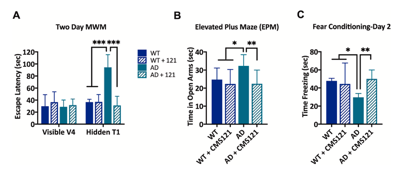
Figure 1: Changes in parameters of the MWM test across the experimental treatment groups.
The behavioral findings were accompanied by evidence that CMS121 reduced excessive lipid peroxidation. The investigators first tested the compound in cultured neuronal and microglial cells. In HT22 neuronal cells, RSL3 was used to inhibit GPX4 and stimulate lipid peroxide accumulation. CMS121 significantly prevented the RSL3-induced increase in lipid peroxidation. CMS121 also reduced lipid peroxidation in BV2 microglial cells activated with LPS. These findings demonstrated that the compound could suppress lipid oxidative damage in both neuronal and inflammatory cell models. The in vivo findings were consistent with the cell-culture results. Untreated AD mice showed increased hippocampal 4HNE protein adducts, an important marker and toxic product of lipid peroxidation. CMS121 treatment reduced hippocampal 4HNE levels to approximately those observed in untreated wild-type animals. The researchers also detected increased hippocampal 15LOX2 in untreated AD mice, another protein associated with lipid oxidation and inflammatory signaling, whereas CMS121 reduced 15LOX2 levels toward wild-type values. GFAP, a marker of glial activation and inflammatory stress, was also elevated in untreated AD mice and was reduced following CMS121 treatment [1].
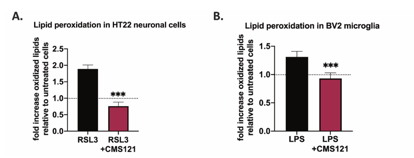
Figure 2: Changes in lipid peroxidation in A) HT22 neuronal cells and B) BV2 microglia following treatment with CMS-121
The study next examined the relationship between CMS121 and intracellular amyloid-β toxicity using MC65 cells. Withdrawal of tetracycline from these cells induces production of the C-99 APP fragment, which is subsequently processed to intracellular Aβ and produces inflammation, proteotoxicity, and cell death. CMS121 prevented the accumulation of intracellular Aβ and protected the cells from Aβ-induced death. Importantly, CMS121 also prevented the broad increase in eicosanoids associated with intracellular Aβ production. Forty-three eicosanoids were detected in the culture medium, with most derived from arachidonic acid, followed by linoleic acid and docosahexaenoic acid. Intracellular Aβ production increased eicosanoid levels across these different lipid sources and metabolic pathways, including cyclooxygenase, cytochrome P450, lipoxygenase, and nonenzymatic pathways. CMS121 prevented this increase regardless of the specific lipid source or pathway involved.
These observations suggest that CMS121 may exert a broad effect on lipid dysregulation rather than acting exclusively through inhibition of one particular lipoxygenase pathway. Lipid-related metabolites were elevated in untreated AD mice compared with CMS121-treated animals. More specifically, endocannabinoids, fatty acids, and polyunsaturated fatty acids (PUFAs) were significantly higher in untreated AD mice than in CMS121-treated AD mice. The researchers also found that untreated AD mice had increased levels of palmitate and FASN protein. CMS121 normalized palmitate levels to those of control mice, although it did not significantly alter FASN protein levels in AD mice [1].
Because FASN catalyzes the synthesis of palmitate from acetyl-CoA and malonyl-CoA, these findings suggested that abnormal lipid biosynthesis could contribute to AD-related lipid peroxidation and that CMS121’s protective effects could involve suppression of FASN activity rather than simply reducing the amount of FASN protein. That being said, FASN was the only protein appearing among the top three candidate targets in both cell lines. Direct enzymatic analysis subsequently demonstrated that CMS121 inhibited FASN activity in a dose-dependent manner. The investigators then used siRNA to reduce FASN expression in HT22 cells. FASN knockdown protected neurons from oxytosis/ferroptosis induced by glutamate, erastin, and RSL3. In glutamate- and erastin-induced toxicity, CMS121 provided additional protection even after FASN knockdown
The FASN experiments also linked lipid metabolism directly to lipid peroxidation. FASN knockdown significantly reduced baseline 4HNE adduct formation in HT22 cells. RSL3 increased 4HNE formation in control cells, but this increase was not observed following FASN knockdown, and CMS121 did not provide additional protection against 4HNE formation in the FASN-deficient cells. A strong positive correlation was observed between FASN protein expression and 4HNE adduct formation, the investigators extended these findings to inflammation using BV2 microglia. LPS increased iNOS, COX2, and TNFα, whereas both CMS121 treatment and FASN knockdown prevented these inflammatory responses. Furthermore, FASN protein levels were significantly increased in human AD brain tissue, and FASN knockdown protected MC65 cells from intracellular Aβ-induced cell death. Together, these results strengthened the conclusion that FASN is an important biological target through which CMS121 can influence lipid peroxidation, inflammatory signaling, and Aβ-associated toxicity [1].
2) The results of the study performed by Ates et al demonstrated that CMS121 partially slowed disease progression in both mouse models of Huntington’s disease, although its effects differed according to dose and disease model. In the R6/2 mice, treatment was administered at 200 or 400 ppm in the diet, corresponding to approximately 17 and 34 mg/kg/day, respectively. Importantly, the animals already demonstrated significant motor impairment at six weeks of age, before CMS121 treatment began. Rotarod performance was significantly worse in R6/2 mice than in non-carrier controls at baseline. Motor performance continued to deteriorate with age across all groups, producing a highly significant overall age effect. However, the pattern of decline differed according to treatment. Untreated R6/2 mice demonstrated significant deterioration between successive measurements, whereas CMS121-treated animals did not exhibit the same consistent decline. In particular, the untreated group showed a significant decline between 10 and 12 weeks of age, whereas this decline was not statistically significant within the CMS121 groups. These findings indicated that CMS121 did not eliminate the underlying motor phenotype but appeared to slow the rate at which motor function deteriorated [2].
CMS121 also influenced body weight and general physical condition in the R6/2 animals. The authors observed that body weight declined more slowly in treated mice than in untreated R6/2 mice, with the effect most pronounced in animals receiving 400 ppm CMS121. Routine visual observations further suggested improved overall health. Treated animals generally appeared healthier, were better groomed, and demonstrated greater movement within their cages than untreated R6/2 mice, including at approximately 14 weeks of age. Grip-strength testing at 13 weeks revealed a significant improvement in forelimb strength in mice receiving 200 ppm CMS121 compared with untreated R6/2 animals.
Survival analysis provided additional evidence that CMS121 could extend healthspan, although the effect was dose-dependent and did not reach conventional statistical significance in the R6/2 model. Among the 36 animals included in the survival analysis, the median survival of untreated R6/2 mice was 113 days. Treatment with 200 ppm CMS121 increased median survival to 134 days. The survival curves differed with a p-value of 0.067 using the Mantel-Cox test, corresponding to a confidence interval of approximately 93.3%. This result suggested a moderate tendency toward increased survival at the lower dose. In contrast, 400 ppm CMS121 did not produce the same lifespan benefit. Interestingly, this dose produced the clearest effect on slowing body-weight loss, illustrating that the dose producing the greatest effect on one outcome did not necessarily produce the greatest effect on another. The authors therefore concluded that CMS121 produced measurable but incomplete benefits in the aggressive R6/2 model [2].
Transcriptomic analysis demonstrated that CMS121 also influenced molecular abnormalities associated with HD in the striatum. At 14 weeks, untreated R6/2 mice displayed extensive gene-expression abnormalities compared with non-carrier controls. In comparison, CMS121 treatment at either 200 or 400 ppm altered approximately 10% of these disease-associated genes relative to untreated R6/2 mice. There was substantial overlap between the genes affected by the two doses, particularly among downregulated genes. Analysis of 292 genes altered by CMS121 demonstrated that many treatment-associated changes moved expression in the direction of the non-carrier controls. That being said, CMS121 did not simply produce an unrelated transcriptional response; it partially reversed gene-expression abnormalities produced by the HD genotype. The heat map presented on page 15 demonstrates this pattern, with treatment-associated expression profiles moving toward the non-carrier pattern.
Gene-set enrichment analysis identified oxidative phosphorylation and proteasome-related pathways as particularly responsive to CMS121. Untreated R6/2 mice showed reduced expression of numerous genes involved in oxidative phosphorylation, including 76 genes identified within this pathway. CMS121 increased expression of most of these genes, partially or almost completely restoring their levels toward those observed in non-carrier controls. The treatment also increased the overall expression of proteasomal genes. These findings were important because mitochondrial dysfunction and impaired protein homeostasis are recognized components of HD pathology. The authors therefore interpreted the transcriptomic results as evidence that CMS121 could partially normalize two major cellular processes disrupted by mutant huntingtin. Notably, the two CMS121 doses produced relatively similar transcriptomic effects despite differences in their effects on body weight, motor performance, and lifespan [2].
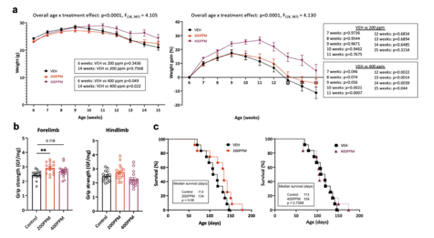
Figure 1: Changes in A) weight, B) grip strength, and C) survival following treatment with CMS-121
The YAC128 experiments produced a somewhat different but complementary pattern. Because YAC128 mice develop a slower disease phenotype, CMS121 was administered at 200 ppm beginning during a presymptomatic period. There were no consistent differences in motor function between untreated YAC128 mice and non-carrier controls through approximately 12 months, demonstrating the slower progression of this model. Nevertheless, at nine months, CMS121-treated YAC128 mice exhibited significantly greater forelimb grip strength than untreated animals. At seven and nine months, however, open-field testing showed relatively little difference between treatment groups, and CMS121-treated mice unexpectedly tended to perform worse on several open-field parameters. This suggests that the beneficial effects of CMS121 were not immediately apparent across all motor measures. Continued monitoring revealed stronger treatment effects at later ages. At 13 months, CMS121-treated mice had significantly greater forelimb and hindlimb grip strength, while at 18 months, hindlimb strength remained significantly improved [2].
The most pronounced behavioral benefits in YAC128 mice appeared at 18 months. At this age, CMS121-treated mice performed significantly better on nearly all measured open-field parameters. They traveled farther, moved more frequently, and spent less time resting than untreated YAC128 animals. Thus, unlike the relatively subtle findings at seven and nine months, the beneficial effect of CMS121 became increasingly evident as the mice aged. This age-dependent pattern was one of the important findings of the study because it suggested that CMS121 may be particularly useful for maintaining motor function during later stages of disease progression. The page 18 figure documents the early grip-strength and open-field findings, while the page 19 figure demonstrates the stronger motor effects at 13 and 18 months.
Finally, CMS121 produced a meaningful improvement in median lifespan in YAC128 mice. Median survival increased from approximately 540 days in untreated YAC128 mice to 631 days in CMS121-treated mice, representing a 17% increase in median lifespan. Untreated YAC128 mice had a significantly shorter median lifespan than non-carrier controls, whereas the median lifespan of CMS121-treated YAC128 mice was no longer significantly different from that of the non-carrier controls. CMS121 did not, however, increase maximum lifespan, indicating that the compound delayed disease-associated deterioration rather than completely preventing late-stage mortality. Unlike R6/2 mice, YAC128 animals gained rather than lost body weight during disease progression, and CMS121 did not significantly affect their body weight. The survival curves shown on page 20 demonstrate this normalization of median survival, with median survival values of approximately 642 days for wild-type controls, 631 days for CMS121-treated YAC128 mice, and 549 days for untreated YAC128 mice in the figure presentation [2].
Disclaimer
**LAB USE ONLY**
*This information is for educational purposes only and does not constitute medical advice. THE PRODUCTS DESCRIBED HEREIN ARE FOR RESEARCH USE ONLY. All clinical research must be conducted with oversight from the appropriate Institutional Review Board (IRB). All preclinical research must be conducted with oversight from the appropriate Institutional Animal Care and Use Committee (IACUC) following the guidelines of the Animal Welfare Act (AWA).
Citations
[1] Ates G, Goldberg J, Currais A, Maher P. CMS121, a fatty acid synthase inhibitor, protects against excess lipid peroxidation and inflammation and alleviates cognitive loss in a transgenic mouse model of Alzheimer’s disease. Redox Biol. 2020;36:101648. doi:10.1016/j.redox.2020.101648.
[2] Ates G, Taguchi T, Maher P. CMS121 Partially Attenuates Disease Progression in Mouse Models of Huntington’s Disease. Mol Neurobiol. 2024;61(4):2165-2175. doi:10.1007/s12035-023-03711-2
CMS-121 is sold for laboratory research use only. Terms of sale apply. Not for human consumption, nor medical, veterinary, or household uses. Please familiarize yourself with our Terms & Conditions prior to ordering.
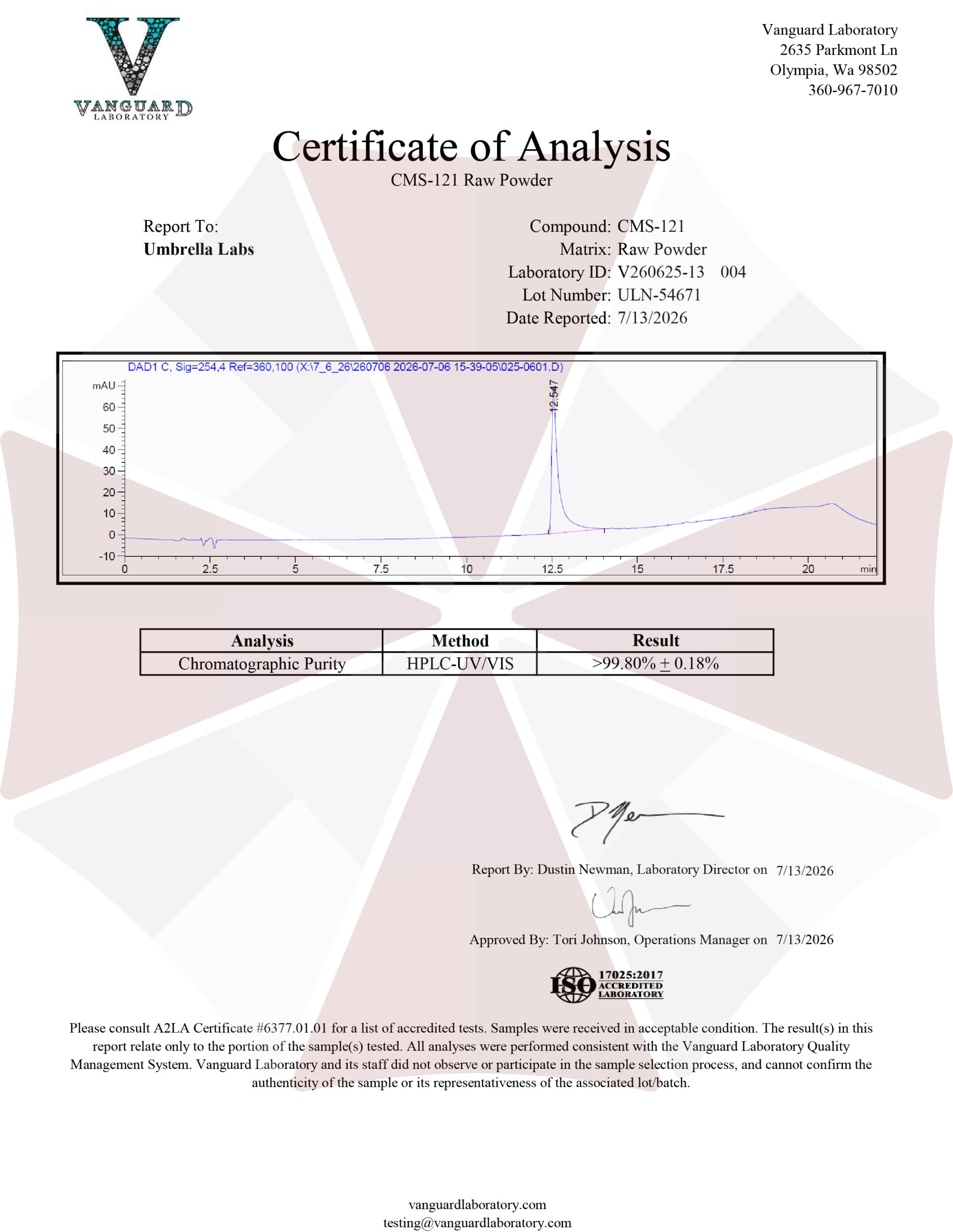
| File Name | View/Download |
| 2026-07-13-Umbrella-Labs-CMS-121-Certificate-of-Analysis-COA.pdf |  |
VIEW CERTIFICATES OF ANALYSIS (COA)