

Description
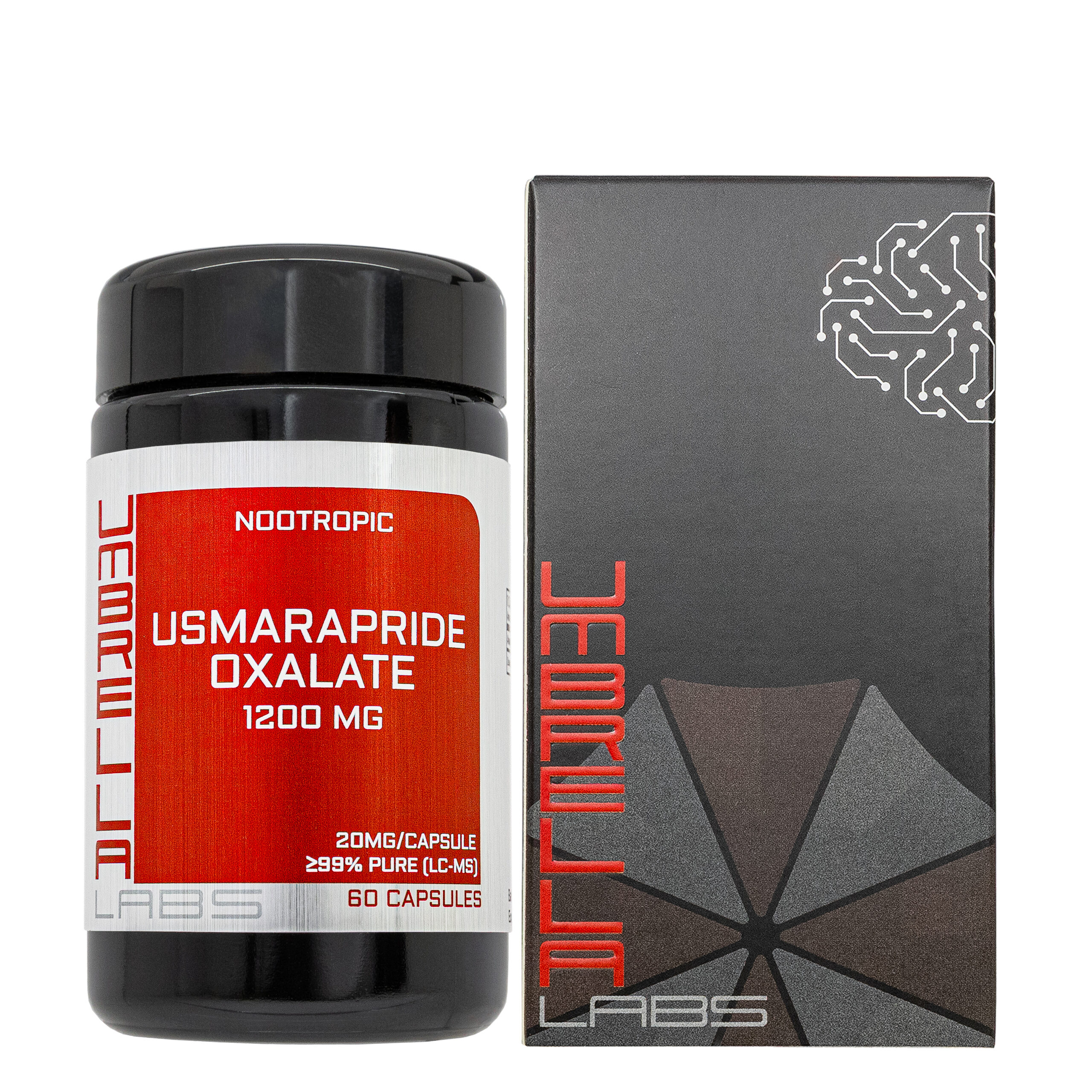
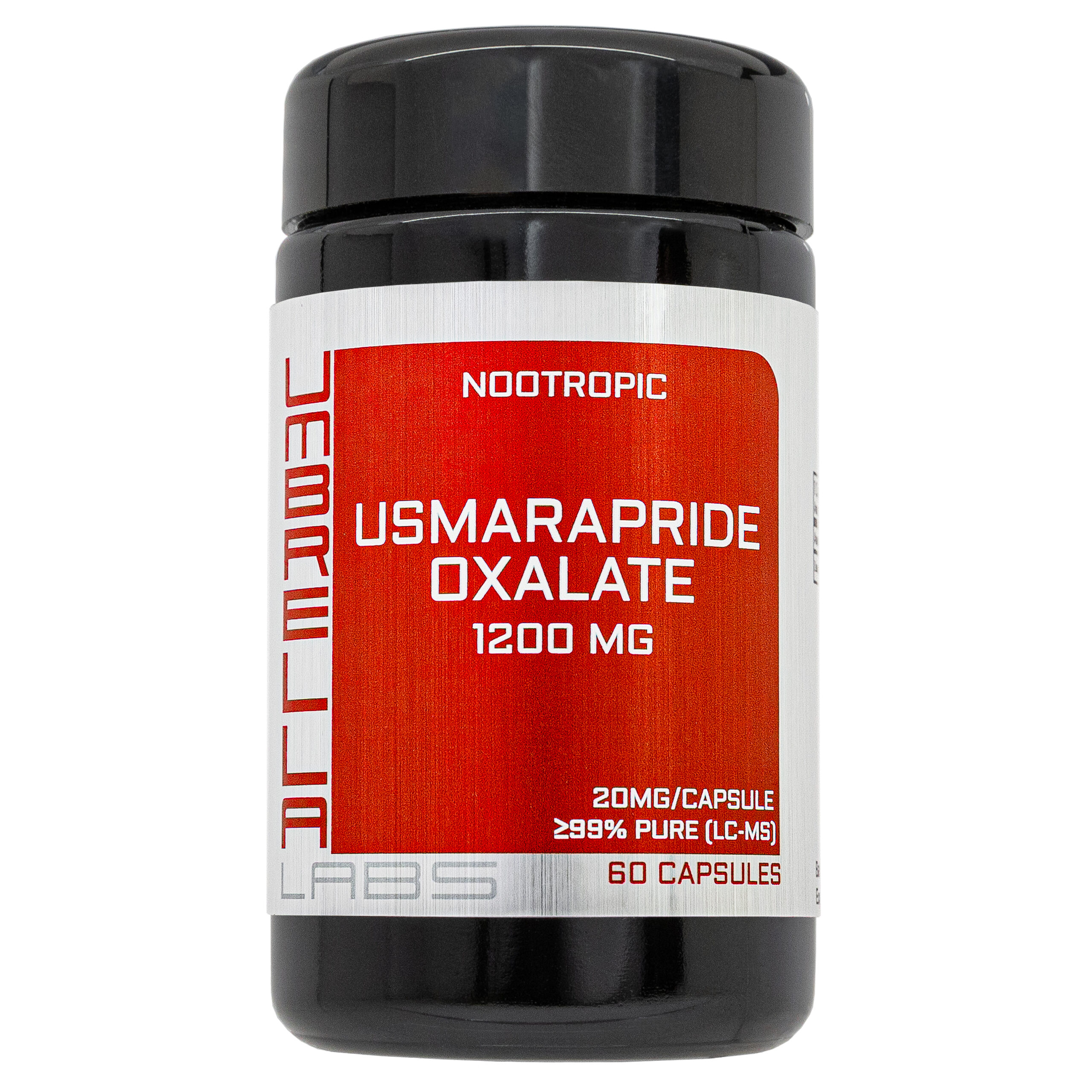
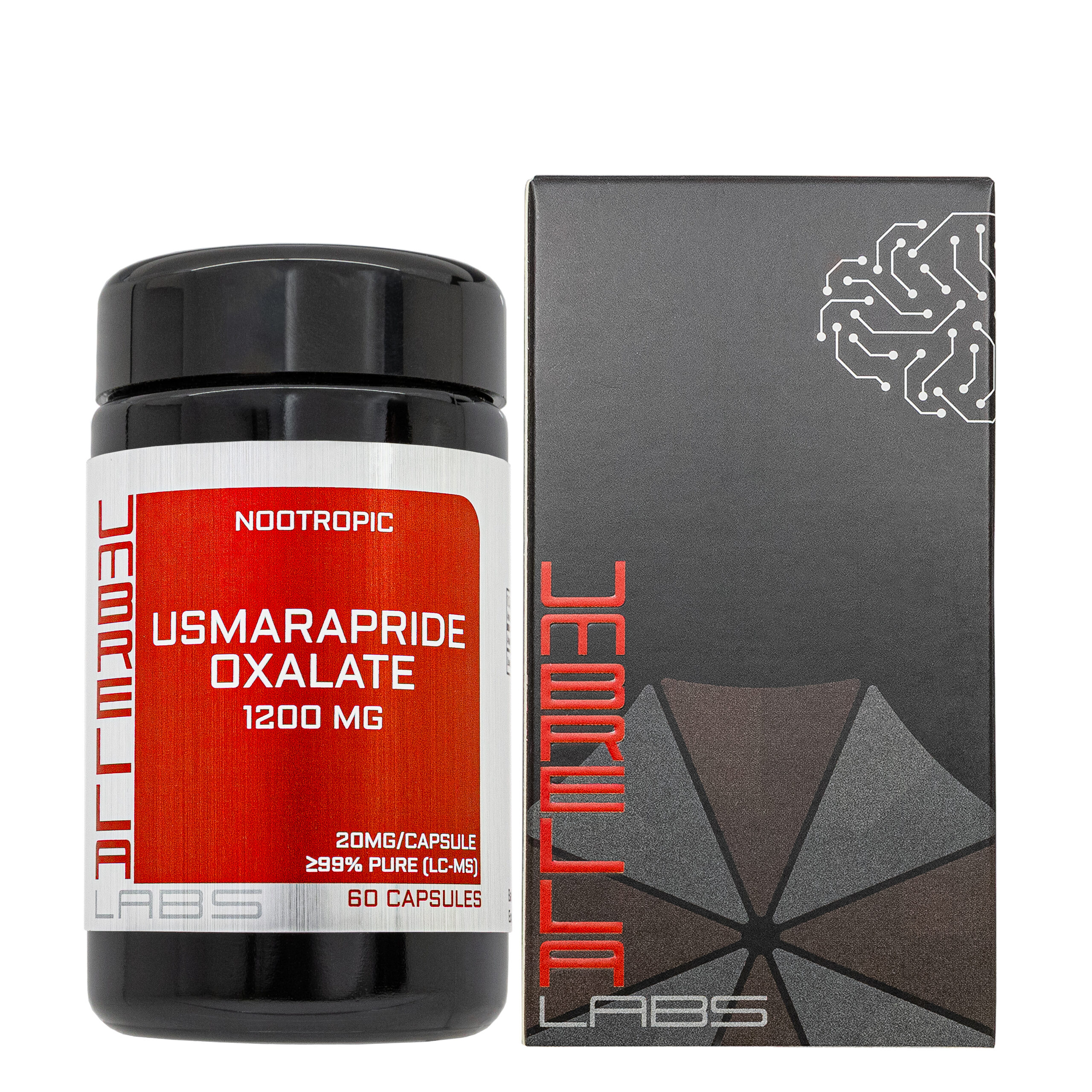
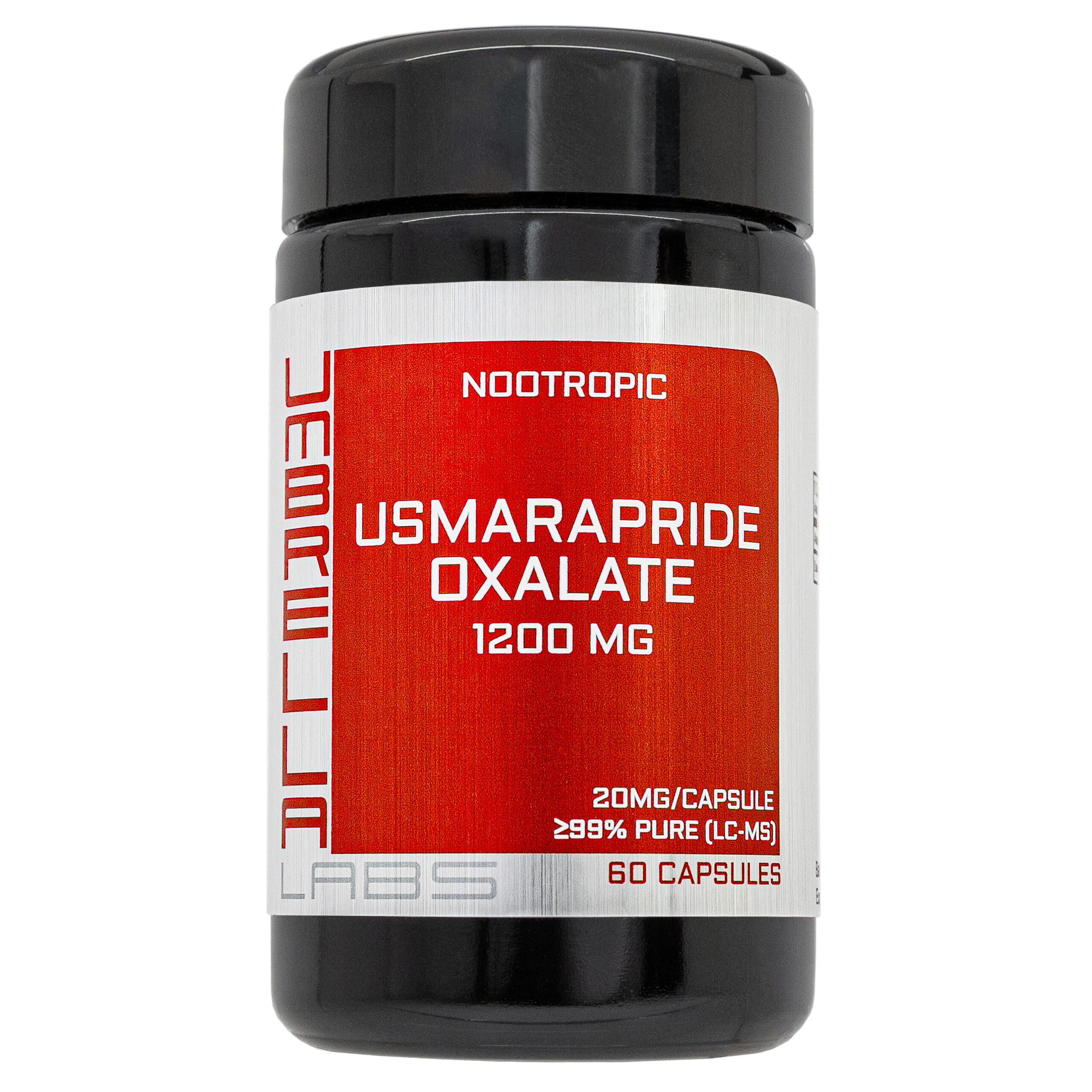
Usmarapride Oxalate Nootropic Powder (60 Capsules)








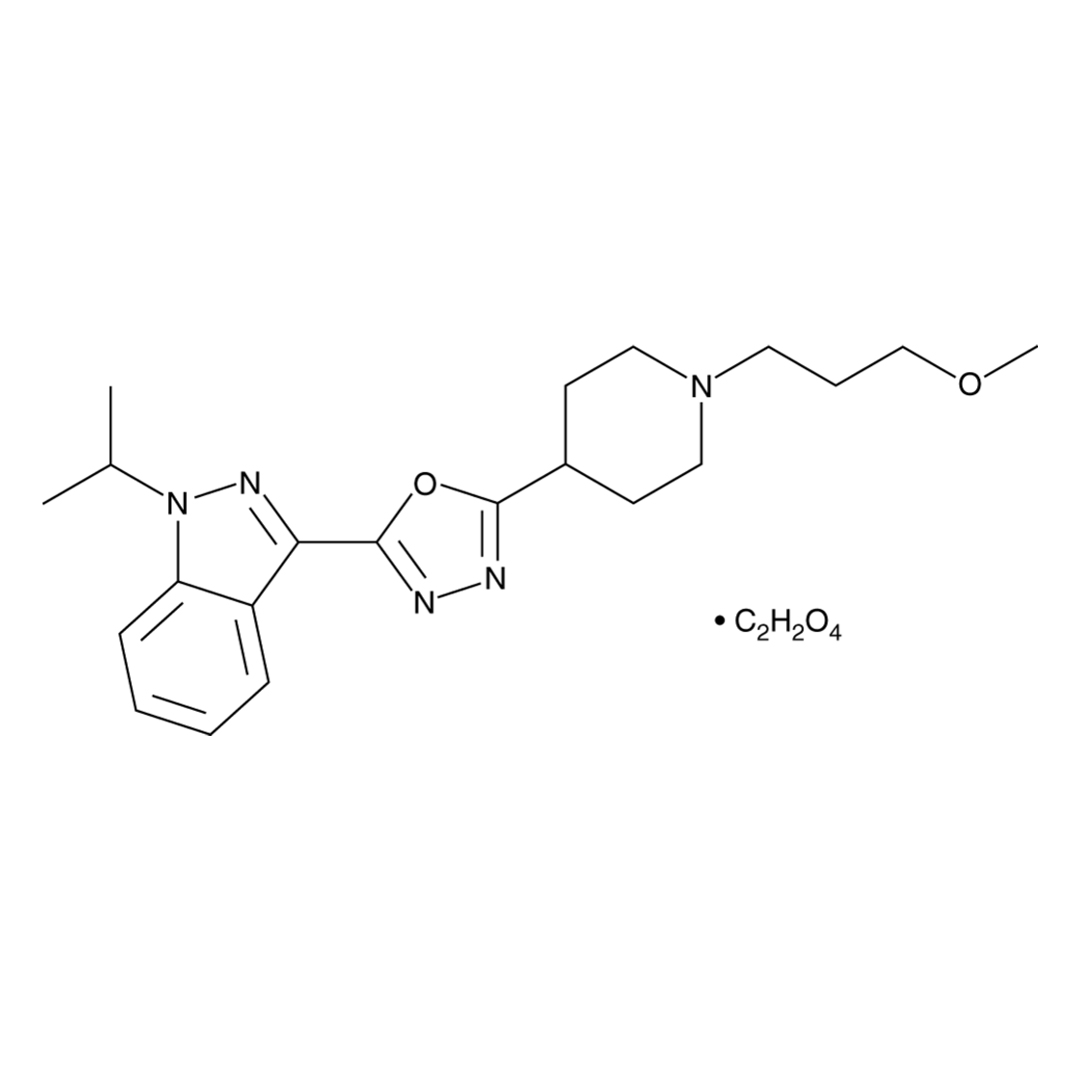
| CAS Number | 1428862-33-2 |
| Other Names | SUVN-D4010 |
| IUPAC Name |
2-[1-(3-methoxypropyl)piperidin-4-yl]-5-(1-propan-2-ylindazol-3-yl)-1,3,4-oxadiazole;oxalic acid
|
| Molecular Formula | C₂₃H₃₁N₅O₆ |
| Molecular Weight | 473.5 |
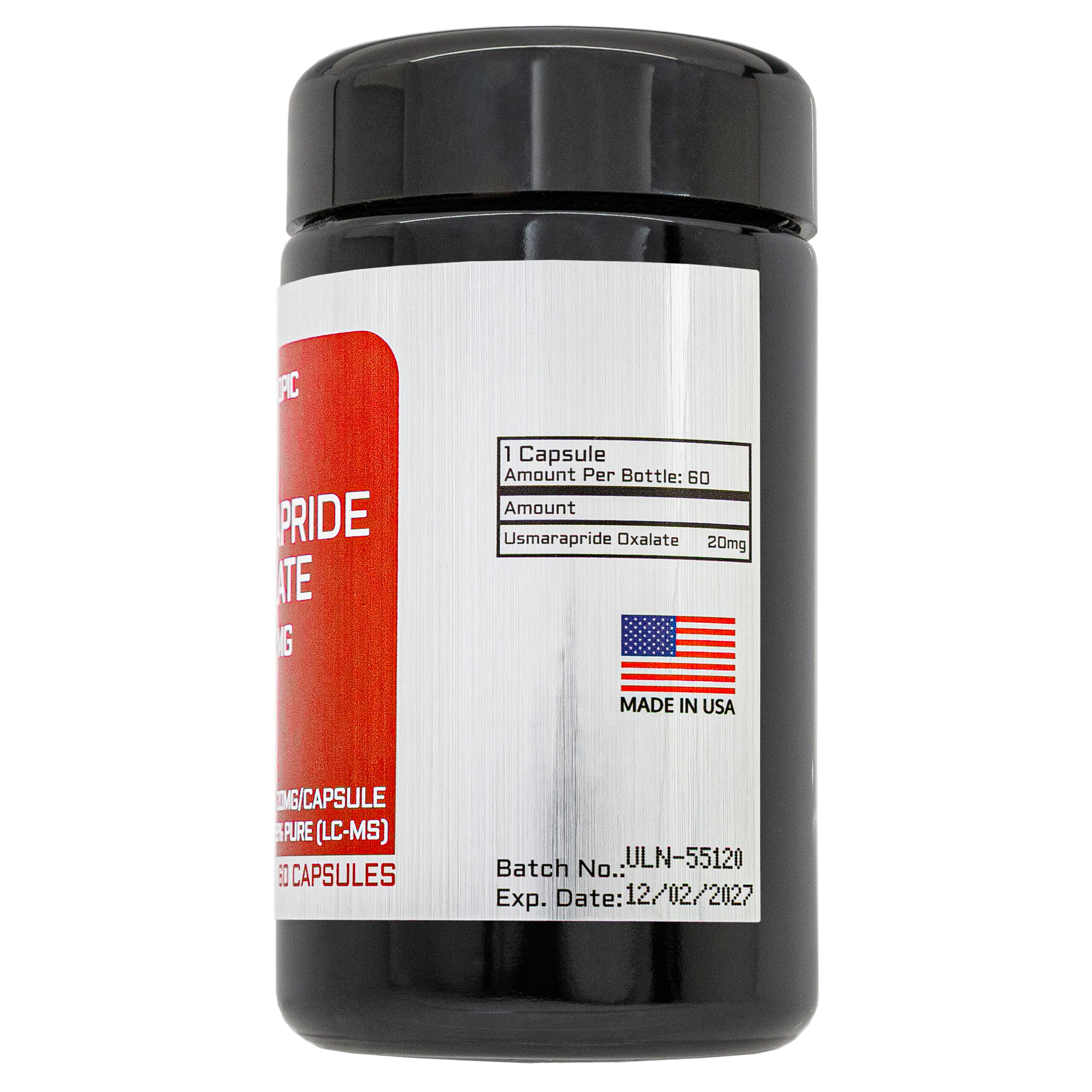
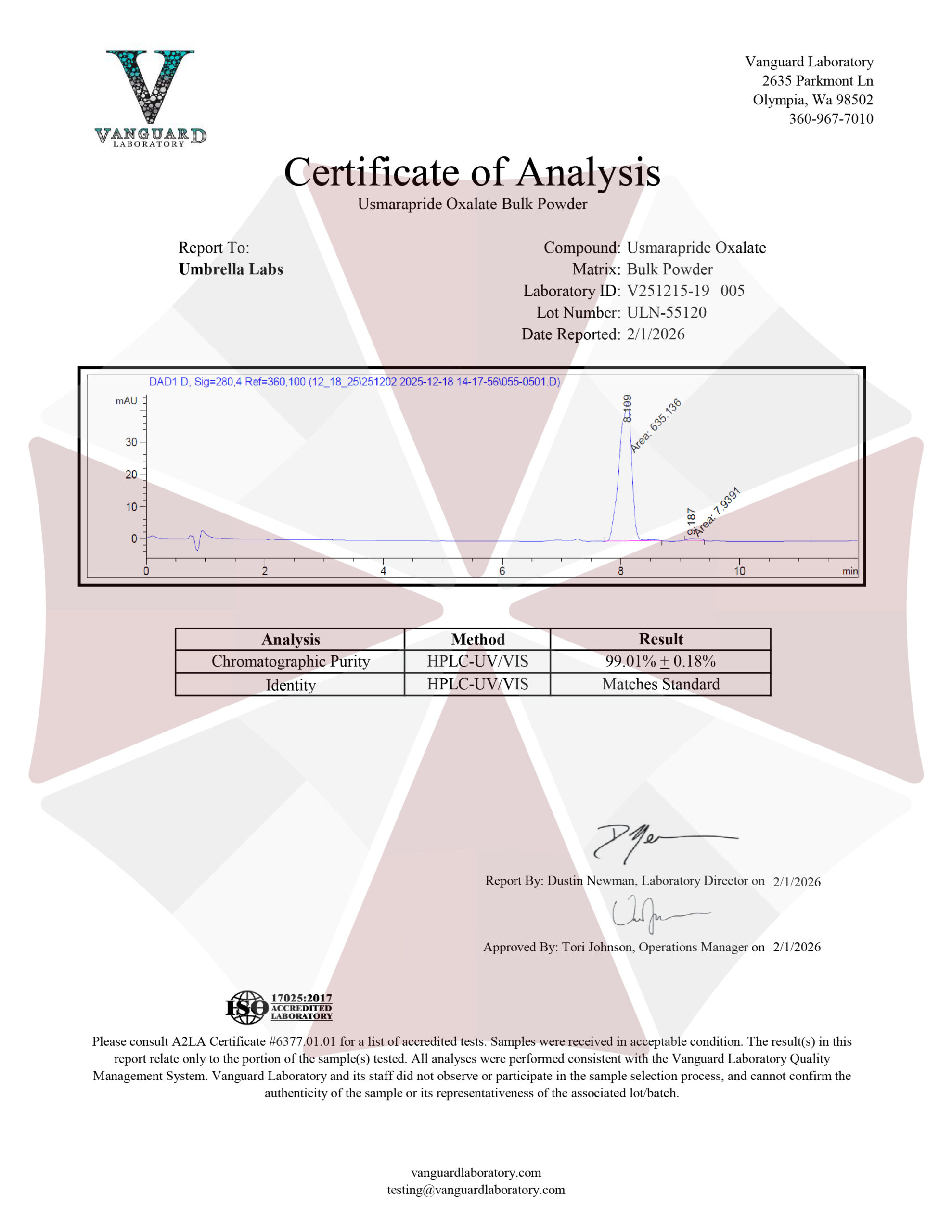
| Purity | ≥99% Pure (LC-MS) |
| Liquid Availability |  30mL liquid (40mg/mL, 1200mg bottle) |
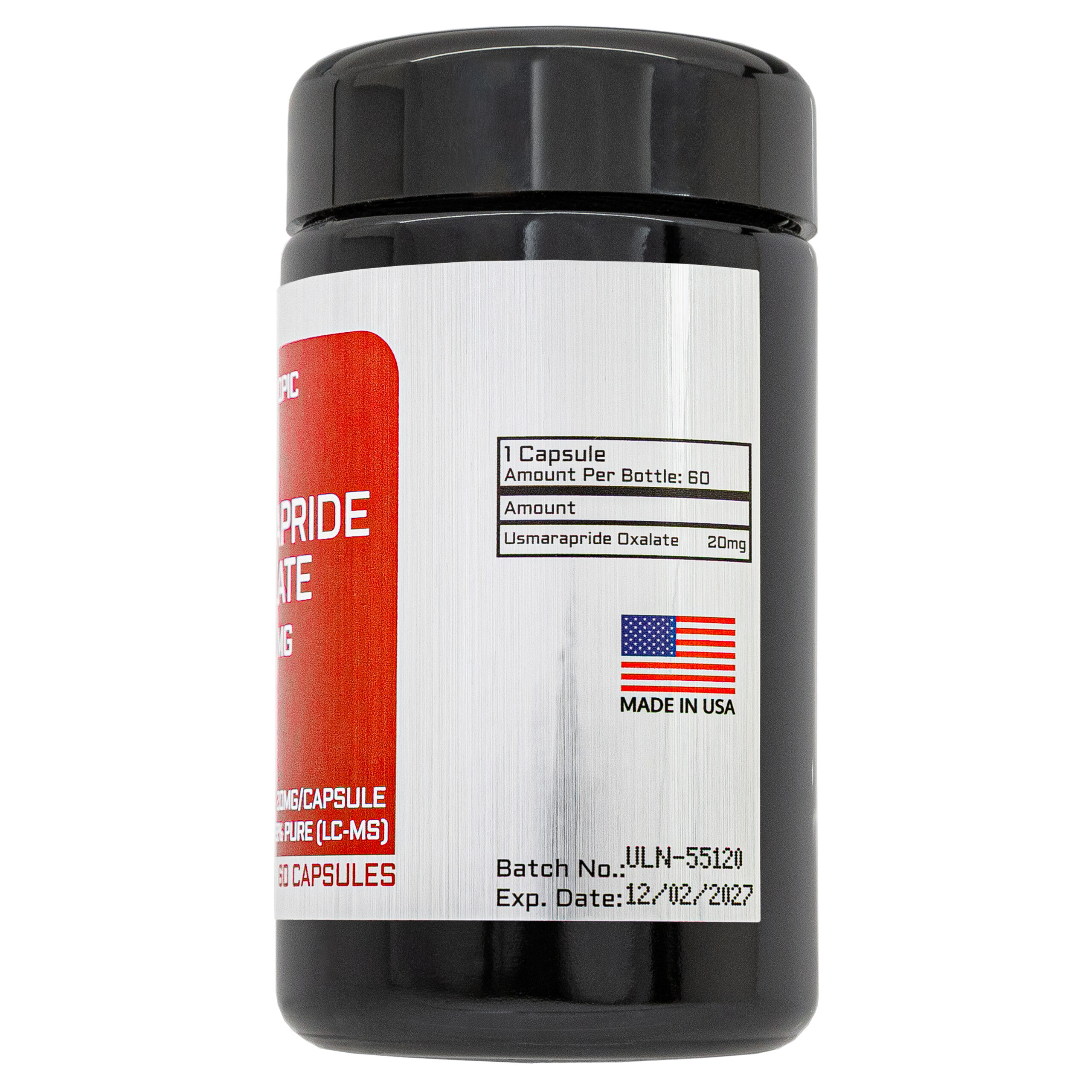
| Powder Availability | 60 capsules (20mg/capsule, 1200mg total)
|
| Storage | Store in cool dry environment, away from direct sunlight. |
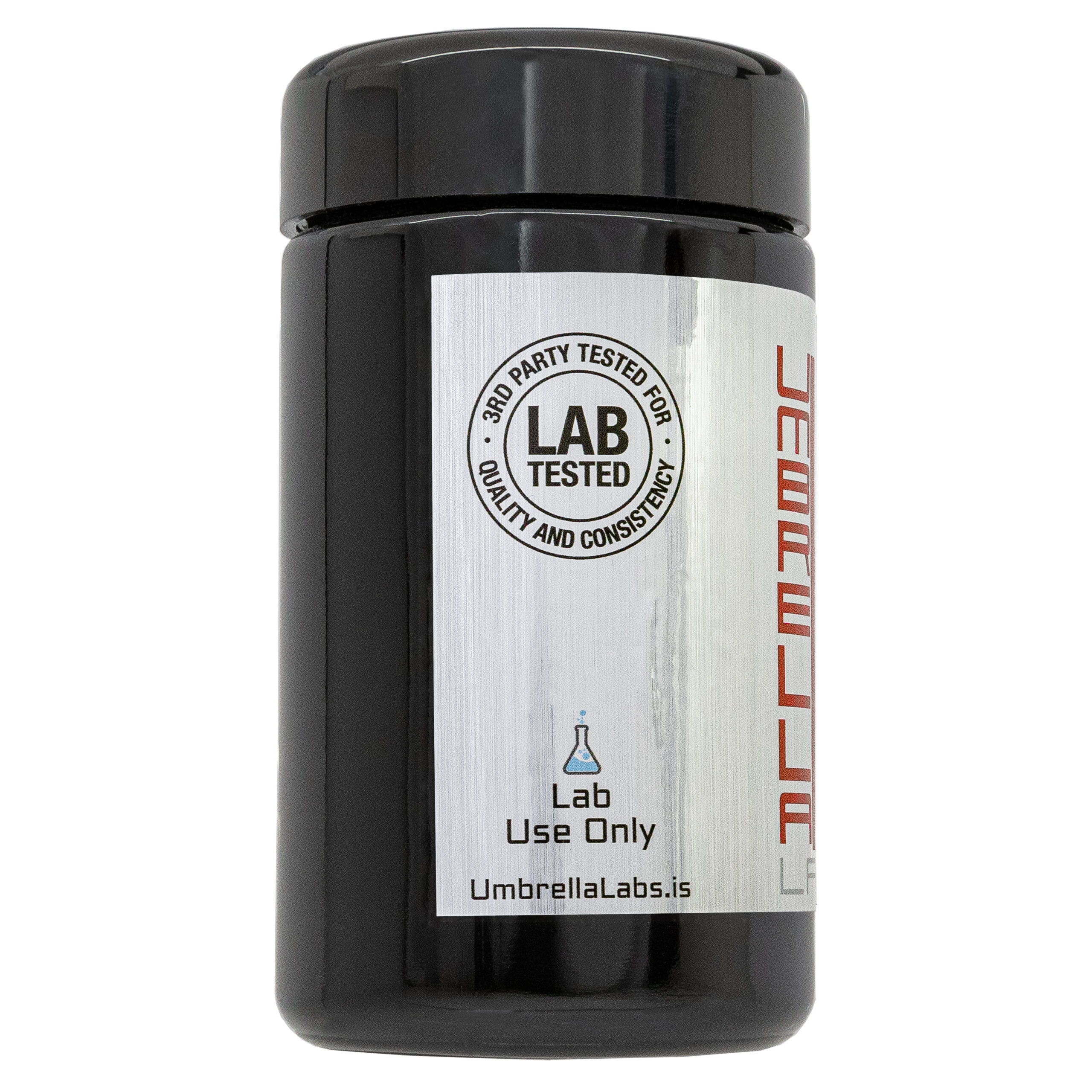
| Terms | All products are for laboratory developmental research USE ONLY. Products are not for human consumption. |
What is Usmarapride Oxalate?
Usmarapride oxalate is a highly selective agonist of the serotonin 5-HT4 receptor that has been developed primarily for the treatment of gastrointestinal motility disorders but has also attracted interest for its potential cognitive-enhancing effects. The 5-HT4 receptor plays an important role in regulating cholinergic neurotransmission, synaptic plasticity, and neuronal signaling within brain regions responsible for learning and memory, including the hippocampus and cerebral cortex. Through selective activation of these receptors, usmarapride oxalate has been proposed to support cognitive processes such as memory formation, attention, and executive function while minimizing off-target pharmacological effects. Findings from preclinical studies suggest that selective 5-HT4 receptor agonists may offer therapeutic potential for improving cognitive performance. Further clinical research should be conducted to further determine the efficacy, dosing parameters, and safety of usmarapride oxalate as a nootropic compound.
Main Research Findings
Usmarapride was found to have disease modifying potential and may act as a promising therapeutic intervention for alleviating cognitive dysfunctional related to Alzheimer’s disease.
Research found that administration of 5-HT4 receptor agonists such as usmarapride may play a role in spatial memory and eliciting procognitive effects.
Selected Data
The study performed by the research team of Nirogi et al evaluated the behavioral, neurochemical, and pharmacological profile of usmarapride (SUVN-D4010), a selective 5-HT4 receptor partial agonist, to determine its therapeutic potential for the treatment of Alzheimer’s disease. A series of complementary in vivo behavioral experiments, neurochemical analyses, pharmacological validation studies, and biochemical assays were performed to assess the compound’s effects on multiple domains of cognition, cholinergic neurotransmission, and amyloid precursor protein processing. Adult Wistar rats, Swiss mice, and C57BL/6J mice were housed under controlled environmental conditions with unrestricted access to food and water. Usmarapride was synthesized in-house, while comparator compounds including scopolamine, MK-801, donepezil, and the selective 5-HT4 receptor antagonist GR-125487 were obtained from commercial or institutional sources [1].
To evaluate episodic memory, the investigators employed the object recognition task (ORT) under several experimental conditions. Animals underwent habituation followed by familiarization with two identical objects before being challenged with either a delayed retention interval or pharmacologically induced cognitive impairment using scopolamine or MK-801. During the choice trial, one familiar object was replaced with a novel object, and the amount of time spent exploring each object was recorded. A discrimination index was calculated to quantify recognition memory performance. Additional experiments examined whether pretreatment with the selective 5-HT4 receptor antagonist GR-125487 blocked the cognitive effects of usmarapride, thereby confirming receptor specificity. Separate ORT studies also evaluated whether co-administration of low-dose usmarapride with donepezil enhanced cognitive performance beyond either treatment alone.
Working memory was assessed using the radial arm maze (RAM). Rats were habituated to an eight-arm maze over several days before undergoing testing under scopolamine-induced cognitive impairment. Food pellets were placed at the ends of each arm, and animals were allowed to retrieve rewards while investigators recorded repeated arm entries and omissions. Percentage choice accuracy was calculated from the number of correct arm selections relative to total entries, providing an objective measure of short-term spatial working memory. Usmarapride was administered orally before scopolamine treatment to determine its ability to reverse cholinergic-dependent working memory deficits [1].
The investigators next examined social recognition memory using the social recognition task (SRT). Adult male rats were exposed to juvenile conspecifics during an initial learning session followed by a second trial after either a 24-hour delay or a brief interval combined with scopolamine administration. During the testing session, animals encountered both the previously familiar juvenile and a novel juvenile, and investigators measured the duration of social investigation directed toward each animal. A discrimination index quantified preference for the novel juvenile. Additional experiments evaluated combination therapy with donepezil and determined whether usmarapride enhanced existing cholinergic treatment. Emotional and associative memory were assessed using the fear conditioning response (FCR) model. Rats received paired tone-foot shock conditioning followed by scopolamine administration, and freezing behavior during later testing without shock served as an indicator of learned associative memory [1].
To investigate the neurochemical mechanisms underlying the behavioral effects, the researchers measured extracellular acetylcholine concentrations within the frontal cortex using in vivo microdialysis. Guide cannulas were stereotaxically implanted into the frontal cortex of anesthetized rats, after which microdialysis probes continuously perfused artificial cerebrospinal fluid. Baseline dialysate samples were collected before administration of vehicle or usmarapride, followed by serial sample collection for up to four hours after treatment. Acetylcholine concentrations were quantified using tandem mass spectrometry, and area-under-the-curve analyses were performed to assess overall neurotransmitter release. Additional experiments incorporated pretreatment with GR-125487 to determine whether changes in acetylcholine release were mediated specifically through 5-HT4 receptor activation.
Finally, the investigators evaluated the potential disease-modifying effects of usmarapride by measuring soluble amyloid precursor protein-alpha (sAPP-α), a product of non-amyloidogenic APP processing associated with neuroprotection. C57BL/6J mice received acute administration of vehicle or usmarapride before sacrifice at predetermined time points. Frontal cortex tissue was isolated, homogenized, and processed for enzyme-linked immunosorbent assay (ELISA) to quantify sAPP-α concentrations. Collectively, these integrated behavioral paradigms, pharmacological validation studies, neurochemical measurements, and biochemical assays provided a comprehensive assessment of the cognitive-enhancing and potential disease-modifying properties of usmarapride in preclinical models of Alzheimer’s disease [1].
The study performed by the research team of Orsetti et al investigated the role of serotonin 5-HT4 receptors within the nucleus basalis magnocellularis (NBM) in regulating spatial recognition memory by examining the effects of local administration of the selective 5-HT4 receptor partial agonist RS67333 and the selective 5-HT4 receptor antagonist RS39604. Previous studies had shown that systemic administration of 5-HT4 agonists improved cognitive performance, but the specific brain regions responsible for these effects remained unclear. The investigators hypothesized that activation of 5-HT4 receptors within the cholinergic NBM, the rodent homolog of the nucleus basalis of Meynert, would facilitate learning and memory by enhancing cholinergic projections to the cerebral cortex. To test this hypothesis, they evaluated the effects of localized receptor activation during the acquisition, consolidation, and recall phases of spatial memory using a place recognition paradigm in rats [2].
Adult male Wistar rats weighing 180–200 g served as experimental subjects. Animals were housed under standardized laboratory conditions with controlled temperature and unrestricted access to food and water while being maintained on a regular light-dark cycle. Before surgery, rats underwent daily handling for at least one week to reduce stress during behavioral testing. Animals were then anesthetized with a combination of medetomidine and ketamine before bilateral implantation of chronic stainless-steel guide cannulae positioned stereotaxically approximately 1 mm above the nucleus basalis magnocellularis. The stereotaxic coordinates were determined using a standard rat brain atlas, and the cannulae were secured with dental acrylic and skull screws. Following surgery, animals were allowed a one-week recovery period before behavioral experiments began. At the conclusion of the study, histological verification was performed using cresyl violet staining to confirm accurate cannula placement within the NBM. Only animals with bilateral injection sites located within the target region were included in the final behavioral analyses, ensuring that observed effects resulted from drug administration into the intended brain structure [2].
Spatial memory was assessed using a Y-maze place recognition task, which consisted of two sequential trials separated by varying retention intervals. During the acquisition trial, one arm of the maze was closed, allowing each rat to freely explore only the remaining two arms for ten minutes. After a predetermined retention interval, animals underwent the testing trial in which all three maze arms were accessible for five minutes. Successful recognition memory was defined by preferential exploration of the previously inaccessible novel arm. The entry arm and location of the novel arm were randomized across animals to minimize the influence of external cues or positional bias, and the maze was thoroughly cleaned between trials to eliminate olfactory cues. Initially, saline-treated animals were tested using retention intervals of 60, 120, and 180 minutes to determine the normal duration of place recognition memory under baseline conditions. These preliminary experiments established that untreated rats reliably retained memory for approximately 120 minutes, allowing the investigators to use 180-minute intervals for detecting memory enhancement and 120-minute intervals for detecting memory impairment in subsequent pharmacological experiments.
RS67333 and RS39604 were dissolved in physiological saline immediately before administration and delivered bilaterally into the NBM using infusion pumps connected to injection cannulae. Drugs were infused at a rate of 2 μL/min for 15 seconds, after which the injection cannulae remained in place for an additional 30 seconds to facilitate diffusion. To determine whether 5-HT4 receptor activation influenced different stages of memory processing, RS67333 was administered either two minutes before the acquisition trial, within 30 seconds after completion of the acquisition trial, or two minutes before the retention test, thereby selectively targeting acquisition, consolidation, or retrieval processes, respectively. Dose-response studies examined several concentrations of RS67333 to identify effective doses for each treatment condition. Additional experiments investigated whether pretreatment with RS39604 could prevent the procognitive effects of RS67333 by administering the antagonist before agonist infusion. Separate experiments also evaluated the temporal characteristics of memory consolidation by delaying post-acquisition RS67333 administration by 20 or 35 minutes after the learning trial to determine the time window during which 5-HT4 receptor activation remained effective [2].
Behavioral performance was quantified by recording the number of visits to the novel, familiar, and entry arms during the testing trial. Recognition memory was considered successful when rats preferentially entered the novel arm significantly more often than the familiar arms. Data were analyzed using mixed-design analyses of variance (ANOVA) with repeated measures to evaluate the effects of treatment, retention interval, and maze arm preference. This experimental design enabled the investigators to systematically determine the contribution of NBM 5-HT4 receptor activation to the acquisition, consolidation, and retrieval of spatial recognition memory while confirming receptor specificity through selective pharmacological antagonism [2].
Discussion
The study conducted by Köhler-Forsberg et al demonstrated that usmarapride (SUVN-D4010) produced robust procognitive effects across multiple behavioral models that assessed episodic, working, social, and emotional memory while simultaneously enhancing cholinergic neurotransmission and promoting non-amyloidogenic processing of amyloid precursor protein. Across nearly all behavioral paradigms, usmarapride consistently improved cognitive performance in both naturally induced memory deficits and pharmacologically impaired models, supporting its potential as both a symptomatic cognitive enhancer and a disease-modifying therapeutic candidate for Alzheimer’s disease. Importantly, many of these effects occurred over a broad dose range and were shown to depend specifically on activation of 5-HT4 receptors through antagonist validation experiments [1].
In the ORT, usmarapride significantly improved episodic memory under multiple experimental conditions. In animals challenged with a 24-hour retention interval, vehicle-treated rats failed to distinguish between familiar and novel objects, demonstrating normal forgetting. In contrast, rats treated with usmarapride at doses ranging from 0.3 to 10 mg/kg spent significantly more time exploring the novel object, indicating successful retention of object memory. Correspondingly, discriminative index values increased significantly, particularly at doses of 1 and 10 mg/kg. Similar improvements were observed in pharmacologically impaired animals. Both scopolamine- and MK-801-treated rats exhibited marked deficits in object recognition, but usmarapride dose-dependently restored recognition memory by increasing exploration of the novel object and improving discrimination indices. The receptor specificity of these effects was confirmed by pretreatment with the selective 5-HT4 receptor antagonist GR-125487, which abolished the memory-enhancing actions of usmarapride. These findings demonstrated that the compound’s procognitive effects were mediated directly through activation of 5-HT4 receptors rather than nonspecific behavioral stimulation [1].
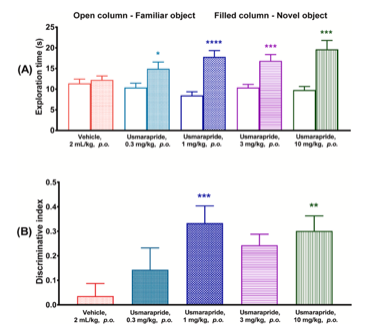
Figure 1: Changes in A) exploration times and B) discrimination index as a measure of time-induced episodic memory deficits in response to treatment with experimental compounds
Combination studies further demonstrated that usmarapride potentiated the cognitive effects of donepezil, the current standard treatment for Alzheimer’s disease. When administered individually at low doses, neither donepezil nor usmarapride significantly improved episodic memory. However, combined treatment produced significantly greater discrimination between familiar and novel objects and yielded higher discrimination index scores than either drug alone. Similar synergistic effects were observed in the SRT, where combined treatment significantly enhanced recognition of novel juvenile animals compared with either monotherapy. These findings suggest that usmarapride may augment existing cholinergic therapies and potentially permit lower therapeutic doses of acetylcholinesterase inhibitors while maintaining cognitive efficacy.
Usmarapride also produced significant improvements in additional domains of cognition. In the radial arm maze, scopolamine markedly impaired working memory by increasing repeated arm entries and reducing percentage choice accuracy. Treatment with usmarapride significantly reversed these deficits at all tested doses, with the greatest improvements observed at 1 and 3 mg/kg. In the social recognition task, both naturally induced time-delay deficits and scopolamine-induced impairments were significantly attenuated by usmarapride, as treated animals consistently spent more time investigating unfamiliar juvenile rats than familiar ones. Discrimination indices increased significantly across multiple doses, demonstrating preservation of social recognition memory. Likewise, in the fear conditioning response model, scopolamine substantially reduced freezing behavior, indicating impaired associative and emotional memory. Usmarapride dose-dependently restored freezing responses toward normal levels, demonstrating improved retention of conditioned fear memory and suggesting efficacy across multiple cognitive domains that are commonly disrupted during Alzheimer’s disease progression [1].
Neurochemical analyses provided mechanistic support for the observed behavioral improvements. In vivo microdialysis demonstrated that usmarapride significantly increased extracellular acetylcholine concentrations within the frontal cortex at doses of 3 and 10 mg/kg. Area-under-the-curve analyses confirmed sustained elevations in acetylcholine release throughout the sampling period. Pretreatment with GR-125487 completely prevented these increases, demonstrating that enhancement of cholinergic neurotransmission resulted specifically from 5-HT4 receptor activation. Because cortical acetylcholine plays a critical role in attention, learning, and memory, these findings provide a neurochemical explanation for the widespread cognitive improvements observed throughout the behavioral studies.
Finally, usmarapride demonstrated evidence of potential disease-modifying activity by significantly increasing sAPP-α concentrations in the frontal cortex. Acute administration of usmarapride produced significant elevations in sAPP-α at both 3 and 10 mg/kg, although the timing of peak responses differed between doses. Since sAPP-α is generated through the non-amyloidogenic processing pathway of amyloid precursor protein and possesses well-established neuroprotective, neurotrophic, and synaptic plasticity-promoting properties, its elevation suggests that usmarapride may shift APP metabolism away from the production of neurotoxic amyloid-β peptides. Collectively, the behavioral, neurochemical, and biochemical findings demonstrate that usmarapride consistently enhances multiple forms of learning and memory through selective 5-HT4 receptor activation, increases cortical acetylcholine release, potentiates the therapeutic effects of donepezil, and promotes neuroprotective APP processing. These combined actions support the compound’s potential to provide both symptomatic cognitive improvement and disease-modifying benefits in Alzheimer’s disease and justify continued clinical development [1].
The study by Orsetti et al demonstrated that selective activation of 5-HT4 receptors within the NBM significantly enhanced spatial recognition memory, specifically improving the acquisition and consolidation of newly acquired information without affecting memory retrieval. Initial control experiments established the normal duration of place recognition memory in saline-treated rats before pharmacological testing. Animals tested after 60- and 120-minute retention intervals showed a clear preference for exploring the previously inaccessible novel arm of the Y-maze, indicating intact spatial recognition memory. In contrast, rats tested after a 180-minute retention interval no longer preferentially explored the novel arm, demonstrating that memory had decayed by this time point [2].
These baseline findings established that untreated spatial memory persisted for approximately two hours and provided the rationale for using the 180-minute interval to detect memory-enhancing effects of the experimental drugs. Importantly, administration of the selective 5-HT4 receptor antagonist RS39604 alone, regardless of whether it was infused before learning, immediately after learning, or before memory retrieval, produced no significant changes in behavioral performance at either the 120- or 180-minute retention intervals. This indicated that blockade of endogenous 5-HT4 receptor activity did not impair normal place recognition memory under baseline experimental conditions.
Administration of the selective 5-HT4 receptor partial agonist RS67333 before the acquisition phase significantly enhanced learning in a dose-dependent manner. Rats receiving 200 ng or 500 ng of RS67333 two minutes before the acquisition trial exhibited a marked increase in visits to the novel arm during the retention test performed 180 minutes later, whereas animals receiving the lower 40 ng dose showed no improvement relative to saline-treated controls. The increased exploration of the novel arm indicated successful retention of spatial information well beyond the normal duration of memory observed in untreated animals. These findings demonstrated that activation of 5-HT4 receptors within the NBM facilitates the acquisition of new spatial memories, allowing rats to retain information that otherwise would have been forgotten after three hours. The dose-response relationship further suggested that a threshold level of receptor activation is required to produce measurable cognitive enhancement [2].
Similar improvements were observed when RS67333 was administered immediately after the acquisition trial, indicating that activation of NBM 5-HT4 receptors also facilitates memory consolidation. Rats receiving 40 ng or 200 ng of RS67333 within 30 seconds after the learning trial displayed significantly greater exploration of the novel arm than saline-treated controls during testing three hours later. Interestingly, the highest post-acquisition dose of 500 ng failed to improve performance, suggesting an inverted U-shaped dose-response relationship during the consolidation phase. These results indicate that moderate activation of 5-HT4 receptors optimally enhances consolidation, whereas excessive receptor stimulation provides no additional benefit. In contrast, administration of RS67333 immediately before the retrieval trial did not significantly alter performance, demonstrating that activation of NBM 5-HT4 receptors influences memory formation rather than the retrieval of information that has already been consolidated.
The investigators further examined the temporal characteristics of memory consolidation by delaying post-training administration of RS67333. Administration of 200 ng RS67333 immediately or 20 minutes after the acquisition trial continued to produce significant improvements in recognition memory, with animals maintaining a clear preference for the novel arm after the 180-minute retention interval. However, when administration was delayed until 35 minutes after training, the procognitive effect disappeared, and behavioral performance resembled that of saline-treated controls. These findings indicate that activation of NBM 5-HT4 receptors enhances biochemical processes occurring during the early stages of memory consolidation but becomes ineffective once this critical consolidation window has passed. The results therefore suggest that serotonergic modulation contributes specifically to the initial phase of long-term memory formation rather than later consolidation processes [2].
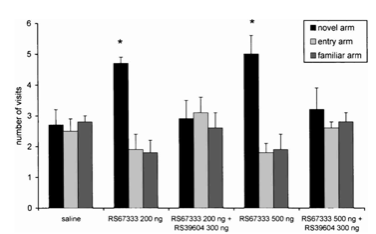
Figure 2: Changes in the number of visits into the various apparatus arms following treatment with the 5-HT4 receptor compounds.
Pharmacological validation experiments confirmed that the memory-enhancing effects of RS67333 were mediated specifically through 5-HT4 receptor activation. Pretreatment with 300 ng of the selective antagonist RS39604 completely abolished the procognitive effects produced by RS67333 during both the acquisition and consolidation phases. Animals receiving combined RS39604 and RS67333 treatment no longer demonstrated preferential exploration of the novel arm and performed similarly to saline-treated controls. These antagonist experiments ruled out the possibility that RS67333 improved cognition through activation of other serotonin receptor subtypes or unrelated neurotransmitter systems, despite the agonist possessing measurable affinity for several receptors. Collectively, the findings demonstrate that selective activation of 5-HT4 receptors located within the nucleus basalis magnocellularis enhances both the acquisition and early consolidation of spatial recognition memory, while exerting no effect on memory retrieval. Because the NBM provides the principal cholinergic projection to the cerebral cortex, the authors concluded that the procognitive actions of RS67333 are likely mediated through potentiation of cholinergic NBM-cortical pathways, supporting the therapeutic potential of selective 5-HT4 receptor agonists for the treatment of age-related cognitive decline and disorders such as Alzheimer’s disease [2].
Disclaimer
**LAB USE ONLY**
*This information is for educational purposes only and does not constitute medical advice. THE PRODUCTS DESCRIBED HEREIN ARE FOR RESEARCH USE ONLY. All clinical research must be conducted with oversight from the appropriate Institutional Review Board (IRB). All preclinical research must be conducted with oversight from the appropriate Institutional Animal Care and Use Committee (IACUC) following the guidelines of the Animal Welfare Act (AWA).
Citations
[1] Nirogi R, Grandhi VR, Medapati R, et al. Usmarapride (SUVN-D4010), a 5-HT4 receptor partial agonist for the potential treatment of Alzheimer’s disease: Behavioural, neurochemical and pharmacological profiling. Eur J Pharmacol. 2023;947:175625. doi:10.1016/j.ejphar.2023.175625
[2] Orsetti M, Dellarole A, Ferri S, Ghi P. Acquisition, retention, and recall of memory after injection of RS67333, a 5-HT(4) receptor agonist, into the nucleus basalis magnocellularis of the rat. Learn Mem. 2003;10(5):420-426. doi:10.1101/lm.67303
Usmarapride Oxalate is sold for laboratory research use only. Terms of sale apply. Not for human consumption, nor medical, veterinary, or household uses. Please familiarize yourself with our Terms & Conditions prior to ordering.
| File Name | View/Download |
| 2026-02-01-Umbrella-Labs-Usmarapride Oxalate-Certificate-of-Analysis-COA.pdf |  |
VIEW CERTIFICATES OF ANALYSIS (COA)