

Description
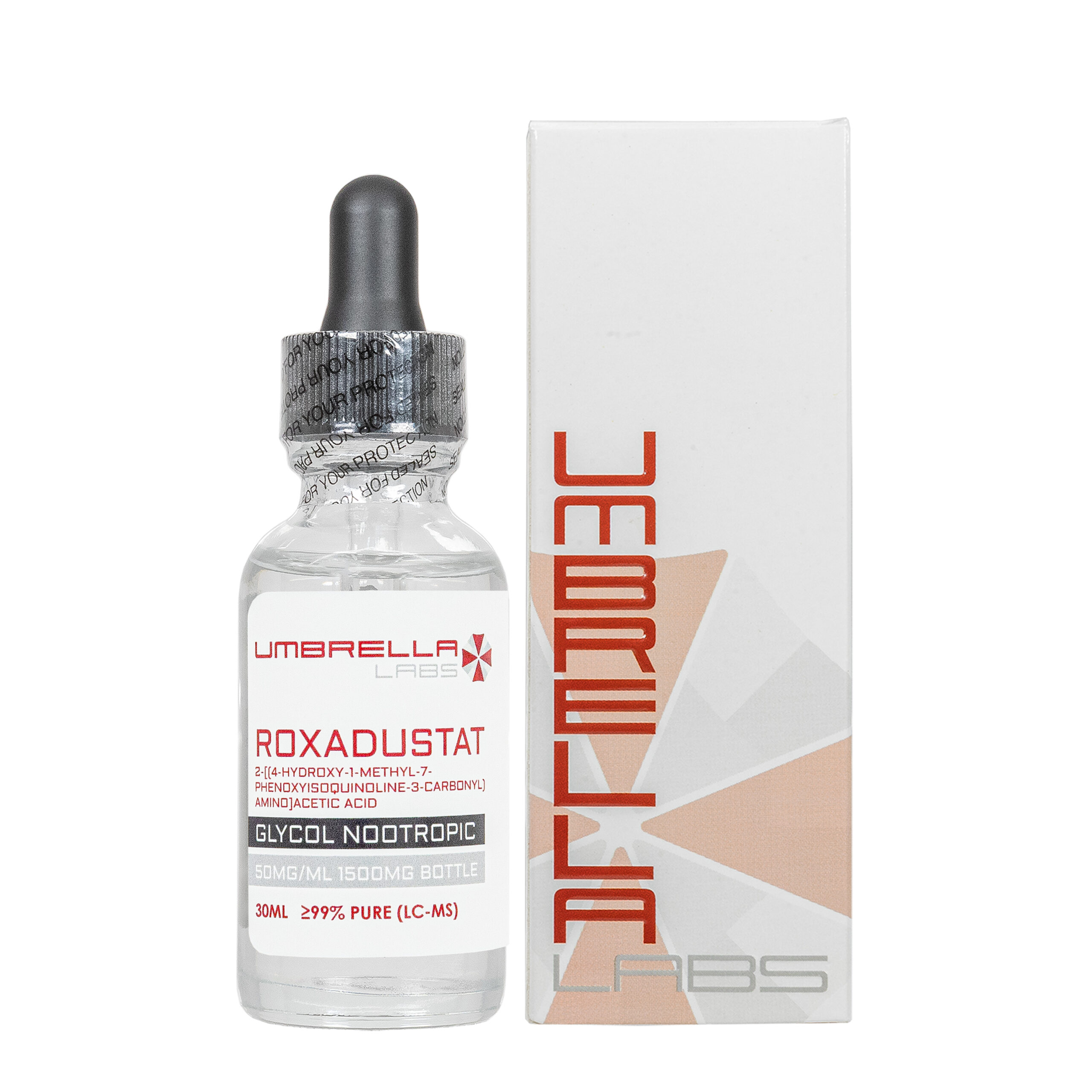
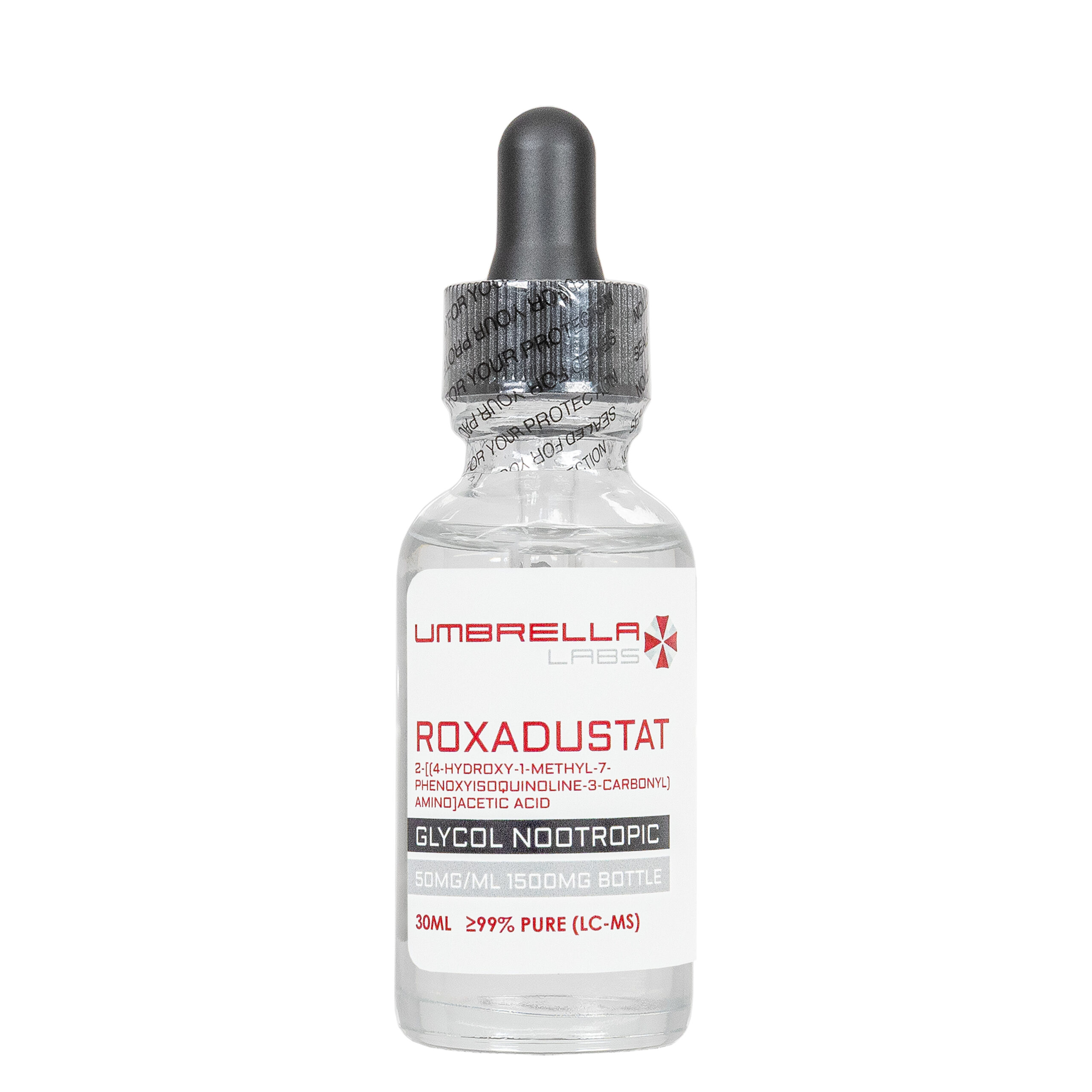
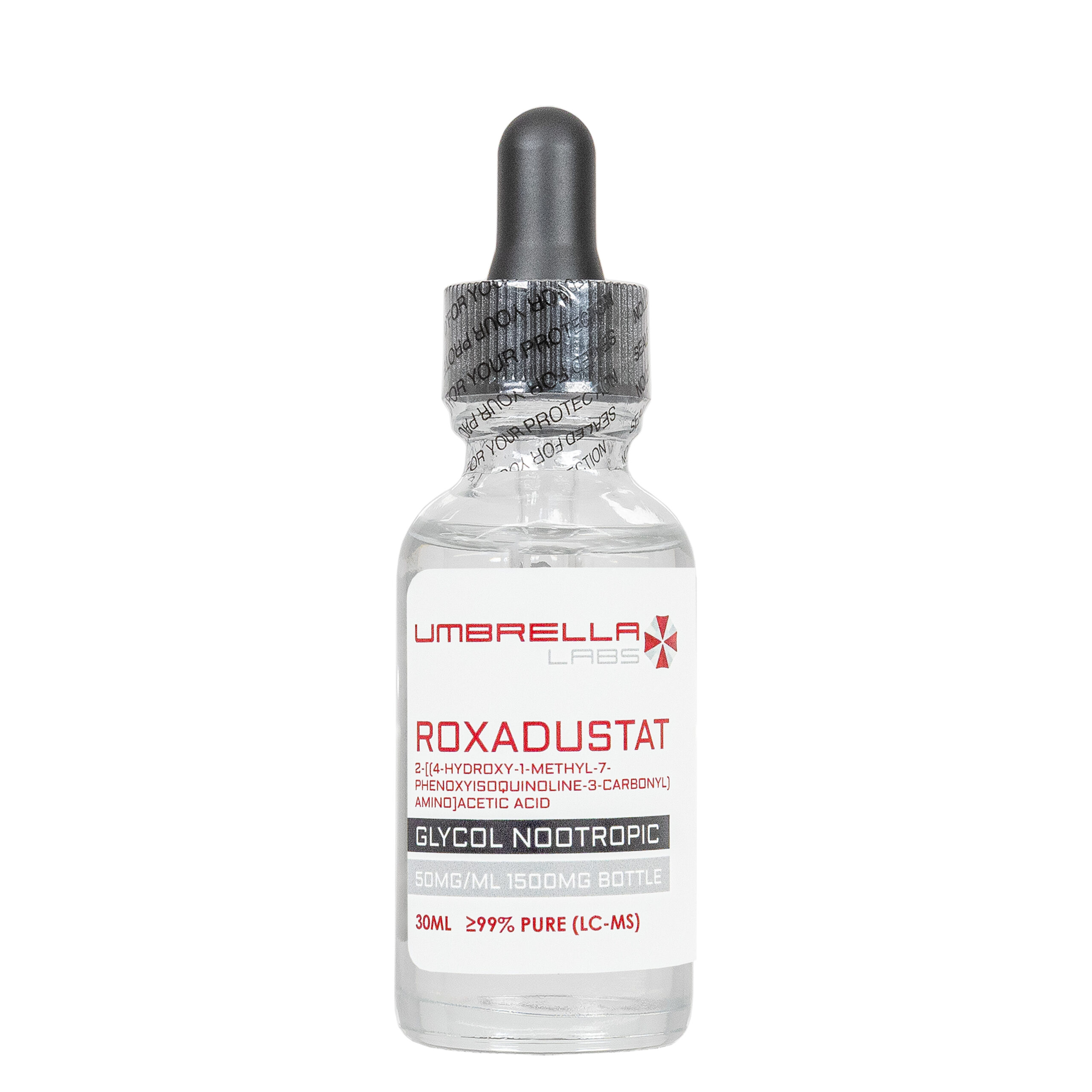
Roxadustat Nootropic Liquid






| CAS Number | 808118-40-3 |
| Other Names | Evrenzo, FG-4592, ASP1517, AZD9941 |
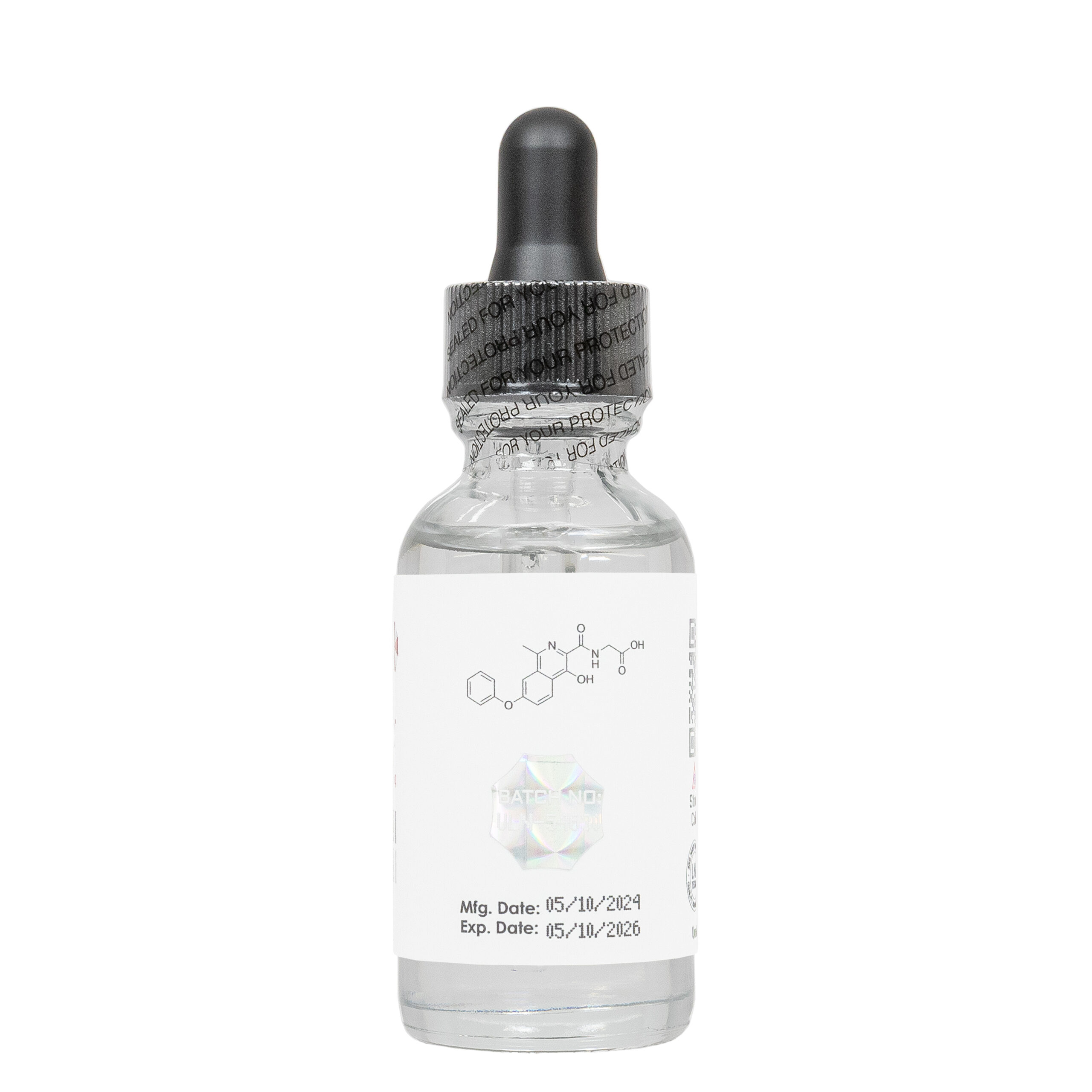
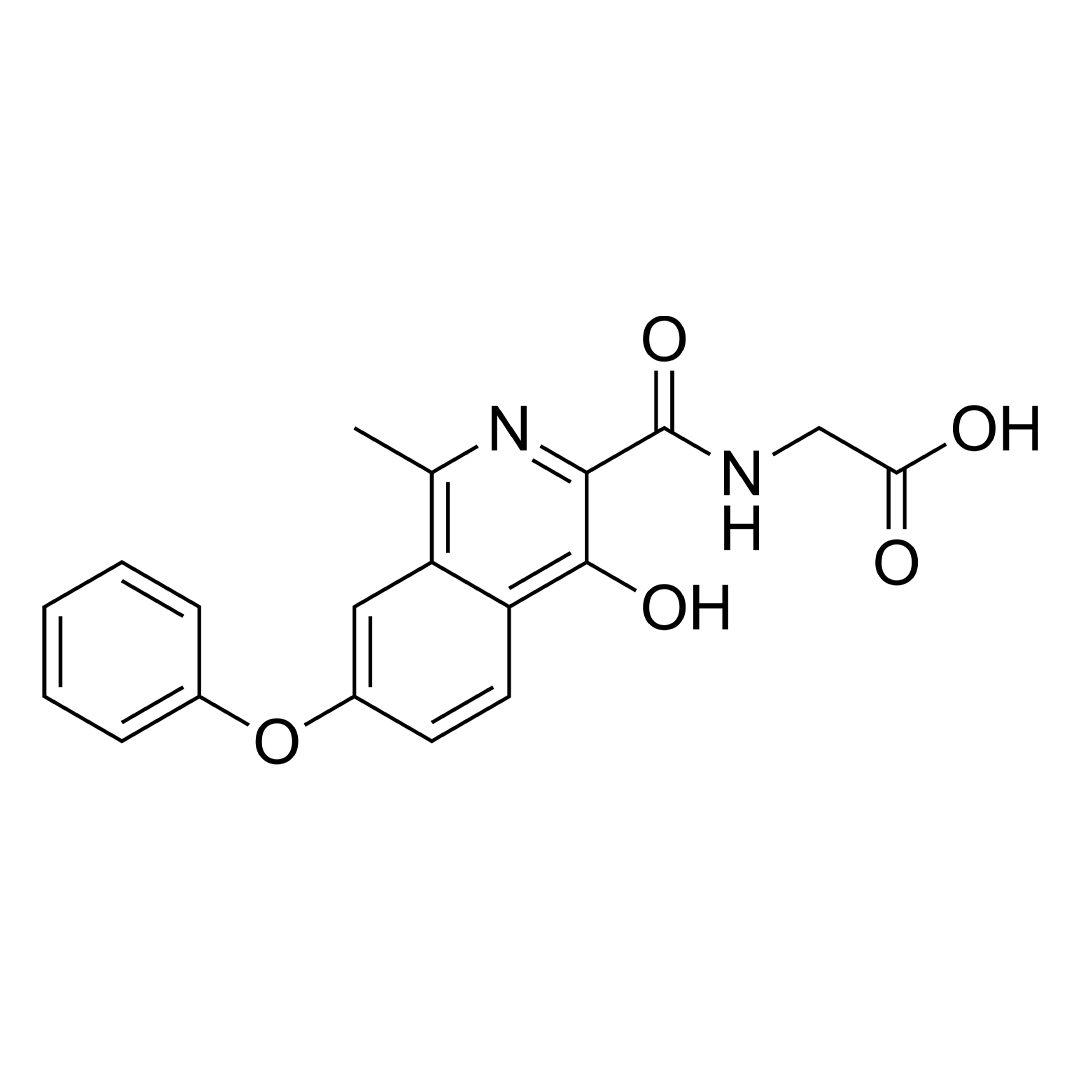
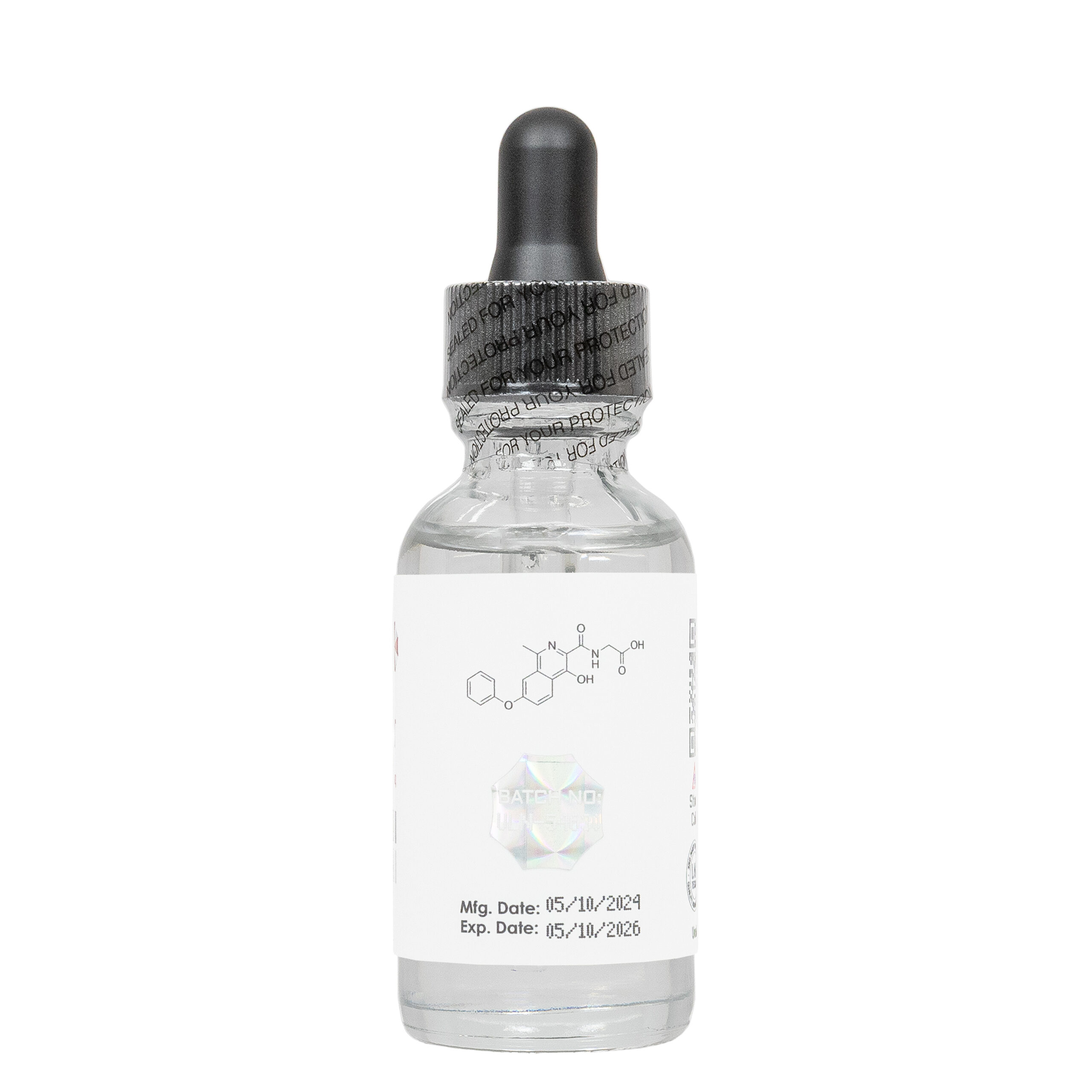
| IUPAC Name | 2-[(4-Hydroxy-1-methyl-7-phenoxyisoquinoline-3-carbonyl)amino]acetic acid |
| Molecular Formula | C₁₉H₁₆N₂O₅ |
| Molecular Weight | 352.35 |
| Purity | ≥99% Pure (LC-MS) |
| Liquid Availability |  30mL liquid (50mg/mL, 1500mg bottle) |
| Powder Availability | 1 gram, 5 grams, 60 capsules (25mg/capsule, 1500mg bottle) |
| Storage | Store at 2º – 8º celsius. |
| Terms | All products are for laboratory developmental research USE ONLY. Products are not for human consumption. |
What is Roxadustat?
Roxadustat is a nootropic compound originally developed as an oral treatment for anemia associated with chronic kidney disease, but its effects on cellular oxygen have also generated interest in neuroscience and neuroprotection research. The compound acts primarily as a hypoxia-inducible factor prolyl hydroxylase inhibitor (HIF-PHI), stabilizing hypoxia-inducible factor (HIF) signaling and activating physiological pathways involved in the cellular response to reduced oxygen availability. Through this mechanism, roxadustat can influence erythropoietin production, iron metabolism, angiogenesis, and cellular adaptation to hypoxic stress.
Main Research Findings
1) Roxadustat was shown to improve hemoglobin levels in dialysis dependent patients with chronic kidney disease in comparison to clinical standard medications.
2) Roxadustat was found to improve hemoglobin levels and reduce the need for red blood cell transfusions in patients with non-dialysis dependent chronic kidney disease.
Selected Data
1) The research team of Fishbane et al. conducted the ROCKIES study, an international, randomized, open-label, phase 3 clinical trial designed to compare the efficacy and safety of oral roxadustat with parenteral epoetin alfa for treating anemia in adults with dialysis-dependent chronic kidney disease (CKD). Roxadustat is an oral hypoxia-inducible factor prolyl hydroxylase (HIF-PH) inhibitor that stabilizes hypoxia-inducible factor and promotes erythropoiesis through increased endogenous erythropoietin production and improved iron availability. The investigators sought to determine whether roxadustat could increase hemoglobin (Hb) concentrations to a degree that was not clinically inferior to epoetin alfa while also examining effects on iron requirements, transfusion needs, lipid parameters, and adverse events. Participants underwent a six-week screening period followed by a treatment period lasting up to four years, with the study endpoint determined by the number of cardiovascular events accumulated for a planned pooled cardiovascular safety analysis [1].
Participants were adults at least 18 years of age who had anemia associated with dialysis-dependent CKD. Eligible individuals were receiving either hemodialysis or peritoneal dialysis and generally had been on dialysis for at least 30 days before randomization, although the protocol was later amended to permit patients who had been receiving dialysis for more than two weeks and no more than four months. Anemia eligibility was determined using two Hb measurements obtained at least seven days apart. Patients who were not receiving an erythropoiesis-stimulating agent (ESA) were required to have Hb below 10 g/dl, whereas ESA-treated patients were required to have Hb below 12 g/dl. Participants also needed a ferritin concentration of at least 100 ng/ml and transferrin saturation (TSAT) of at least 20%. Several conditions resulted in exclusion, including New York Heart Association class III or IV heart failure, recent myocardial infarction, acute coronary syndrome, stroke, seizure, or thrombotic or thromboembolic events within 12 weeks before randomization. Individuals with uncontrolled hypertension at randomization were also excluded. These criteria were intended to establish a population with anemia requiring treatment while reducing the influence of serious recent cardiovascular or thrombotic conditions on the study outcomes [1].
After screening, eligible participants were randomly assigned in a 1:1 ratio to receive either oral roxadustat three times per week or parenteral epoetin alfa according to local clinical practice. Randomization was stratified by country, computer generated, and implemented through an Interactive Web Response System using blocks of four. Roxadustat dosing depended on participants’ ESA exposure and body weight. Patients already receiving an ESA generally began roxadustat at doses between 70 and 200 mg three times weekly based on their previous ESA dose. ESA-naive participants received either 70 mg three times weekly if their dry weight was 45–70 kg or 100 mg three times weekly if their dry weight was greater than 70–160 kg. A roxadustat-specific dose-adjustment algorithm was used to maintain Hb at approximately 11 ± 1 g/dl. For patients undergoing hemodialysis, administration after completion of the dialysis session was recommended. Participants assigned to epoetin alfa received doses based on their previous ESA treatment, whereas ESA-naive patients received 50 IU/kg three times weekly, with subsequent adjustments made according to local prescribing information.
Concomitant anemia treatments were also managed according to predefined criteria. Oral iron supplementation was permitted without restriction in both treatment groups. Intravenous iron was permitted in the roxadustat group when Hb failed to increase adequately following at least two dose increases and ferritin or TSAT indicated inadequate iron availability. IV iron could also be administered to patients receiving epoetin alfa according to local standards of care. Red blood cell (RBC) transfusions were allowed when rapid correction of anemia was considered medically necessary or required for stabilization. Temporary ESA rescue therapy was permitted for roxadustat-treated patients who remained severely anemic despite repeated dose increases or reaching the maximum roxadustat dose. Specifically, rescue could be considered when Hb remained below 8.5 g/dl on two measurements at least five days apart, provided iron deficiency or bleeding did not explain the inadequate response. Rescue ESA treatment was discontinued once Hb exceeded 9 g/dl or after one four-week treatment course. Patients could remain on roxadustat when receiving IV iron or an RBC transfusion, whereas roxadustat was temporarily withheld during rescue ESA therapy. Permanent discontinuation could occur because of patient or investigator decision, adverse events, serious protocol noncompliance, pregnancy, organ transplantation, or repeated need for rescue ESA treatment [1].
The primary efficacy outcome was the mean change in Hb from baseline averaged over weeks 28–52, regardless of whether rescue therapy was required. This outcome was evaluated in the intent-to-treat population using a noninferiority framework. The investigators selected a noninferiority margin of −0.75 g/dl, meaning roxadustat would be considered noninferior if its Hb increase was not more than 0.75 g/dl lower than that achieved with epoetin alfa. Secondary outcomes were assessed sequentially using a fixed hierarchical testing strategy. These included Hb change from baseline through weeks 28–36 without rescue therapy, change in LDL cholesterol at week 24, Hb response among participants with elevated baseline high-sensitivity C-reactive protein (hsCRP), the proportion of time Hb remained at least 10 g/dl or between 10 and 12 g/dl, monthly IV iron requirements, and time to first RBC transfusion. Exploratory outcomes included changes in serum iron, ferritin, TSAT, total iron-binding capacity (TIBC), total cholesterol, HDL cholesterol, triglycerides, and hepcidin.
Statistical analyses were performed using specialized software; the primary Hb analysis used multiple-imputation analysis of covariance (ANCOVA), with missing values handled using a missing-at-random approach. Baseline Hb, cardiovascular/cerebrovascular/thromboembolic history, geographic region, and incident versus prevalent dialysis status were incorporated as covariates. Sensitivity analyses were conducted to assess the consistency of the primary findings. Subgroup analyses used mixed models for repeated measurements, while ANCOVA was used for lipid and iron parameters. Cox proportional-hazards models were used for time-to-event outcomes, and appropriate statistical procedures were applied to compare proportions and monthly IV iron use [1].
2) The research team of Fishbane et al. conducted the OLYMPUS trial, a large, international, multicenter, randomized, double-blind, placebo-controlled phase 3 study designed to evaluate the efficacy and safety of roxadustat for the treatment of anemia in adults with non–dialysis-dependent chronic kidney disease (NDD-CKD). The study included a screening period of up to 6 weeks, a treatment period lasting for a variable duration of up to 4 years, and an end-of-study follow-up visit. The treatment period ended after a predefined number of adjudicated cardiovascular events had accumulated so that the OLYMPUS data could contribute to a separate pooled cardiovascular safety analysis involving three phase 3 NDD-CKD studies [2].
Participants were eligible if they were at least 18 years old, had stage 3–5 CKD characterized by an estimated glomerular filtration rate (eGFR) below 60 ml/min per 1.73 m², were not receiving dialysis, and had anemia confirmed by a mean of two hemoglobin (Hb) measurements below 10 g/dl obtained at least 7 days apart during screening. Participants were also required to have ferritin concentrations of at least 50 mg/L and transferrin saturation (TSAT) of at least 15%. The investigators used these criteria to identify patients with clinically significant anemia and varying degrees of CKD while allowing inclusion of individuals with different levels of baseline iron availability. The study was therefore designed to examine whether roxadustat could improve anemia across a broad NDD-CKD population rather than restricting enrollment to individuals with highly preserved renal function or adequate iron stores.
Eligible participants were randomly assigned in a 1:1 ratio to oral roxadustat or placebo under double-blind conditions. Central randomization was performed using computer-generated randomization codes and blocks of four, with randomization stratified according to country. Both patients and investigators were blinded to treatment assignment. Roxadustat and placebo were initially administered at 70 mg orally three times weekly, with doses separated by at least 2 days and no more than 4 days. Treatment doses were adjusted according to Hb concentrations every 4 weeks through week 52 and every 8 weeks thereafter, with the goal of achieving and maintaining Hb around 11 g/dl. The maximum permitted dose was the lower of 3.0 mg/kg or 300 mg per administration. Local study personnel could access Hb results to protect participant safety, although treatment assignment remained blinded [2].
The protocol also established criteria for rescue treatment when participants demonstrated inadequate anemia control. Intravenous iron could be administered to patients who were intolerant or unresponsive to oral iron and had Hb below 8.5 g/dl with ferritin below 100 mg/L or TSAT below 20%. RBC transfusions were permitted when considered medically necessary by the investigator. ESA therapy could be introduced when participants failed to respond adequately to at least two dose increases or had reached the maximum study-drug dose, had Hb below 8.0 g/dl, did not have iron deficiency or bleeding explaining the Hb decline, and required treatment to reduce the risks associated with RBC transfusion. ESA rescue was discontinued once Hb exceeded 9 g/dl or after 4 weeks, whichever occurred first, and patients could receive a maximum of two rescue cycles before permanent study-drug discontinuation. Patients who initiated dialysis and required ESA therapy also permanently discontinued the study drug.
Data collection occurred at baseline and at regular intervals throughout treatment. Most laboratory and clinical measurements were obtained every 4 weeks through week 52 and every 8 weeks thereafter, while Short Form–36 assessments were performed at randomization and weeks 12, 28, and 52. The primary efficacy endpoint was the mean change in Hb from baseline averaged across weeks 28–52, regardless of whether rescue therapy was required. Secondary outcomes included Hb response during the first 24 weeks without rescue treatment, Hb change among patients with elevated baseline high-sensitivity C-reactive protein (hsCRP), the proportion of time Hb remained at least 10 g/dl or within 10–12 g/dl, LDL cholesterol changes, the need for rescue therapy, RBC transfusion requirements, SF-36 outcomes, and the rate of eGFR decline. Exploratory outcomes included hepcidin, serum iron, ferritin, TIBC, TSAT, and blood pressure [2].
Discussion
1) The research team of Fishbane et al completed the ROCKIES trial that screened 2,941 individuals and ultimately randomized 2,133 participants, with 1,068 assigned to roxadustat and 1,065 assigned to epoetin alfa. The intent-to-treat population included 1,051 participants in the roxadustat group and 1,055 in the epoetin alfa group. Nearly all randomized participants received their assigned treatment. Baseline characteristics were generally well balanced between the groups. The average participant age was approximately 54 years, and approximately 89% of patients were receiving hemodialysis while about 11% were receiving peritoneal dialysis. Baseline median Hb was 10.2 g/dl in the roxadustat group and 10.3 g/dl in the epoetin alfa group. Most participants had previously received an ESA, and the median prior epoetin alfa-equivalent dose was approximately 4,500 IU per week in both groups. Diabetes, cardiovascular history, dialysis duration, and other major baseline characteristics were also broadly comparable [1].
Treatment exposure differed between the groups. Mean treatment exposure was 20.6 months for roxadustat and 23.2 months for epoetin alfa. The average roxadustat dose declined during the first 52 weeks, whereas the average epoetin alfa dose remained relatively stable. The most frequently used roxadustat doses were between 50 and 150 mg three times weekly, with a mean weekly dose of approximately 280.6 mg. The corresponding mean weekly epoetin alfa dose was approximately 8,656 IU. Dose modifications were common, occurring in 92.7% of roxadustat-treated participants and 90.9% of those receiving epoetin alfa. In the roxadustat group, both dose increases and reductions were frequently required, reflecting the protocolized effort to maintain Hb within the target range. Significant treatment noncompliance was uncommon, occurring in only 0.9% of participants receiving roxadustat [1].
The primary efficacy analysis demonstrated that roxadustat was noninferior to epoetin alfa for increasing Hb. The adjusted least-squares mean Hb increase from baseline averaged over weeks 28–52 was 0.77 g/dl with roxadustat compared with 0.68 g/dl with epoetin alfa. The estimated treatment difference was 0.09 g/dl and the noninferiority analysis was highly statistically significant. The treatment effect was generally consistent across prespecified subgroups, including different dialysis modalities and dialysis durations. Hb concentrations in both groups increased during approximately the first 12 weeks of treatment and subsequently remained relatively stable, generally within the range of 10.5–11.0 g/dl. Sensitivity analyses also supported the primary conclusion.
The secondary Hb analyses provided additional evidence of comparable efficacy. Among participants evaluated without the influence of rescue therapy, the adjusted Hb increase averaged over weeks 28–36 was 0.88 g/dl with roxadustat compared with 0.74 g/dl with epoetin alfa, producing a treatment difference of 0.14 g/dl. Roxadustat also produced a significantly greater Hb increase among participants with elevated baseline hsCRP, suggesting that its efficacy was maintained in individuals with evidence of inflammation. In this subgroup, the least-squares mean treatment difference was 0.20 g/dl. Roxadustat was also noninferior in maintaining Hb at or above 10 g/dl and within the 10–12 g/dl range. Participants receiving roxadustat spent approximately 79% of the evaluation period with Hb at least 10 g/dl compared with approximately 76% for epoetin alfa [1].
Beyond Hb correction, roxadustat produced several favorable effects on lipid and iron-related outcomes. LDL cholesterol decreased by approximately 14.54 mg/dl from baseline to week 24 in the roxadustat group, and the reduction was significantly greater than that observed with epoetin alfa. Monthly IV iron requirements were also substantially lower with roxadustat, averaging 58.71 mg compared with 91.37 mg in the epoetin alfa group from week 36 through the end of the study. Oral iron use was similar between groups, indicating that the difference in IV iron requirements was not simply due to substantially different oral supplementation. Roxadustat was also noninferior regarding the need for the first RBC transfusion. RBC transfusions were required by 9.8% of roxadustat-treated participants compared with 13.2% of those receiving epoetin alfa. Overall rescue therapy was used in 12.6% and 13.2% of the two groups, respectively, although ESA rescue was more common among roxadustat-treated participants.
Changes in iron metabolism were consistent with the proposed mechanism of HIF-PH inhibition. Roxadustat produced a significantly greater reduction in serum hepcidin compared with epoetin alfa, with a least-squares mean treatment difference of −28.21 ng/ml. Ferritin also decreased more substantially with roxadustat. In contrast, serum iron and TIBC increased in the roxadustat group, and these changes were maintained during extended treatment. TSAT did not differ significantly between the treatment groups. The investigators interpreted these findings as consistent with enhanced iron mobilization and utilization during erythropoiesis. Thus, the ability of roxadustat to maintain Hb while requiring less IV iron was accompanied by measurable changes in markers of iron availability and metabolism [1].
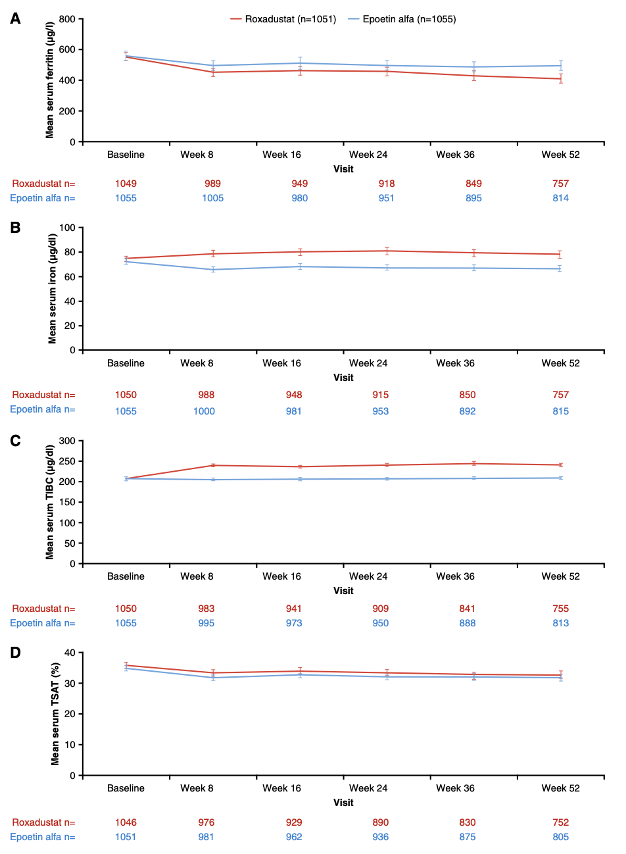
Figure 1: Changes in serum iron parameters following treatment with the experimental compounds.
Overall, the ROCKIES study demonstrated that oral roxadustat effectively increased and maintained Hb concentrations in patients with dialysis-dependent CKD and anemia, achieving efficacy that was at least comparable with parenteral epoetin alfa. Roxadustat additionally reduced IV iron requirements, lowered LDL cholesterol, reduced hepcidin, increased serum iron and TIBC, and produced a noninferior reduction in the need for RBC transfusion. Its overall adverse-event profile was broadly similar to epoetin alfa, although certain adverse events and the higher treatment-discontinuation rate warrant consideration. The investigators concluded that roxadustat represented an effective oral alternative to conventional ESA therapy in this population, while emphasizing that cardiovascular safety required evaluation through the broader pooled phase 3 program [1].
2) The research team of Fishbane et al completed the OLYMPUS trial that screen 5,222 individuals, of whom 2,441 were not randomized, most commonly because they failed to meet all eligibility criteria. The full analysis set included 2,728 patients, while the on-treatment population consisted of 2,760 patients. Baseline characteristics were generally well balanced. Mean baseline Hb was 9.1 g/dl in both groups, while mean eGFR was 19.7 ml/min per 1.73 m² with roxadustat and 20.0 ml/min per 1.73 m² with placebo. Approximately 58% of participants had ferritin above 100 mg/L and TSAT above 20% [2].
Treatment exposure was longer among participants assigned to roxadustat. Mean exposure was 19.62 months compared with 15.24 months for placebo, while median exposure was 20.80 and 14.57 months, respectively. The most commonly administered roxadustat doses were between 40 and 100 mg three times weekly, with a mean weekly dose of 207.6 mg. Dose adjustments were frequent: 87.0% of roxadustat-treated participants experienced at least one dose reduction, compared with 41.9% of placebo-treated participants, while approximately 90% of patients in both groups experienced at least one dose increase. Treatment compliance of at least 75% was observed in 96.1% of roxadustat recipients and 96.7% of placebo recipients. Premature study-drug discontinuation was considerably less frequent with roxadustat, occurring in 36.1% compared with 58.2% of placebo-treated patients. The post hoc hazard ratio for discontinuation was 0.49, indicating a 51% lower risk with roxadustat [2].
The primary efficacy endpoint demonstrated a clear advantage for roxadustat over placebo. Mean baseline Hb was 9.1 g/dl in both groups, but the adjusted least-squares mean increase averaged across weeks 28–52 was 1.75 g/dl with roxadustat compared with only 0.40 g/dl with placebo. The separation between treatment groups occurred soon after randomization and persisted through the end of treatment. The Hb response was also evident across clinically important subgroups. During the first 24 weeks, 77.0% of participants receiving roxadustat achieved the prespecified Hb response compared with only 8.5% receiving placebo, corresponding to a relative risk of 9.12.
Roxadustat maintained its effectiveness among patients with inflammation and among those with varying iron stores. Among 411 participants with elevated baseline hsCRP, adjusted Hb change averaged 1.75 g/dl with roxadustat versus 0.62 g/dl with placebo, yielding a treatment difference of 1.13 g/dl. Roxadustat also produced similar Hb improvements in participants who were iron replete and those who were not iron replete. The proportion of total time during weeks 28–52 in which interpolated Hb values were at least 10 g/dl was 82% with roxadustat compared with 33% with placebo. Likewise, participants receiving roxadustat spent 70% of the evaluation period with Hb concentrations between 10 and 12 g/dl compared with 28% for placebo. These findings indicated that the treatment effect was maintained across different degrees of anemia, kidney dysfunction, inflammation, and iron availability.
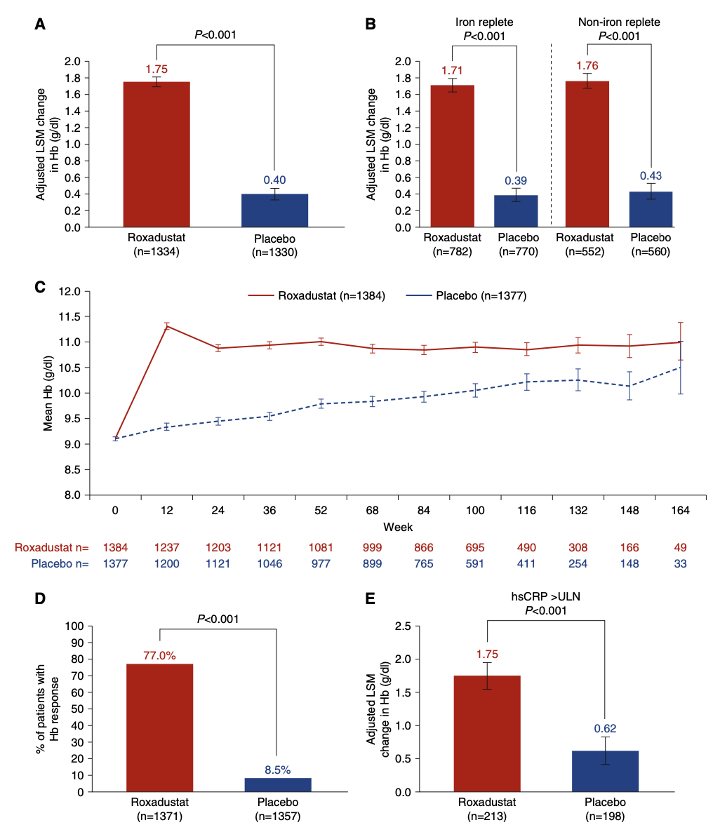
Figure 2: Changes in outcomes measures related to average Hb levels following treatment.
Roxadustat also produced significant improvements in LDL cholesterol and substantially reduced the need for rescue anemia treatments. Baseline LDL-C concentrations were similar, at 94.50 mg/dl for roxadustat and 92.52 mg/dl for placebo. By week 24, LDL-C had decreased by 14.58 mg/dl with roxadustat compared with 0.70 mg/dl with placebo, producing a treatment difference of −13.88 mg/dl. The risk of requiring any first rescue therapy was reduced by 74% with roxadustat, with a hazard ratio of 0.26. Roxadustat reduced the risk of RBC transfusion by 63%, IV iron by 59%,, and ESA rescue by 87%, with all comparisons reaching statistical significance [2].
The exploratory iron-related findings were consistent with enhanced iron mobilization and utilization. Roxadustat decreased hepcidin from baseline by an adjusted least-squares mean of 35.94 ng/ml, whereas placebo increased hepcidin by 9.42 ng/ml, resulting in a treatment difference of −45.36 ng/ml. Serum iron increased by 6.63 mg/dl with roxadustat but declined by 1.07 mg/dl with placebo, producing a treatment difference of 7.70 mg/dl. Ferritin decreased by 37.10 mg/L with roxadustat but increased by 17.45 mg/L with placebo, while TIBC increased by 30.79 mg/dl with roxadustat and declined by 3.82 mg/dl with placebo. TSAT did not differ significantly between groups. Together, the lower hepcidin and ferritin concentrations and increases in serum iron and TIBC supported greater iron availability for erythropoiesis.
Overall, the OLYMPUS trial demonstrated that oral roxadustat was significantly more effective than placebo at correcting and maintaining Hb in patients with anemia associated with NDD-CKD. Its benefits extended across patients with different levels of kidney dysfunction, baseline anemia, inflammation, and iron stores. Roxadustat also substantially reduced RBC transfusions and other rescue therapies, while producing favorable changes in hepcidin and several measures of iron metabolism and lowering LDL-C. The investigators concluded that roxadustat offered an effective oral approach to anemia management that could potentially simplify treatment in NDD-CKD, particularly because it could be administered at home and did not require routine IV iron supplementation. However, the study’s differential treatment discontinuation, incomplete blinding of local personnel to Hb values, and lack of sufficient power to independently establish cardiovascular safety were important limitations when interpreting the findings [2].
Disclaimer
**LAB USE ONLY**
*This information is for educational purposes only and does not constitute medical advice. THE PRODUCTS DESCRIBED HEREIN ARE FOR RESEARCH USE ONLY. All clinical research must be conducted with oversight from the appropriate Institutional Review Board (IRB). All preclinical research must be conducted with oversight from the appropriate Institutional Animal Care and Use Committee (IACUC) following the guidelines of the Animal Welfare Act (AWA).
Citations
[1] Fishbane S, Pollock CA, El-Shahawy M, et al. Roxadustat Versus Epoetin Alfa for Treating Anemia in Patients with Chronic Kidney Disease on Dialysis: Results from the Randomized Phase 3 ROCKIES Study. J Am Soc Nephrol. 2022;33(4):850-866. doi:10.1681/ASN.2020111638
[2] Fishbane S, El-Shahawy MA, Pecoits-Filho R, et al. Roxadustat for Treating Anemia in Patients with CKD Not on Dialysis: Results from a Randomized Phase 3 Study. J Am Soc Nephrol. 2021;32(3):737-755. doi:10.1681/ASN.2020081150
Roxadustat is sold for laboratory research use only. Terms of sale apply. Not for human consumption, nor medical, veterinary, or household uses. Please familiarize yourself with our Terms & Conditions before ordering.
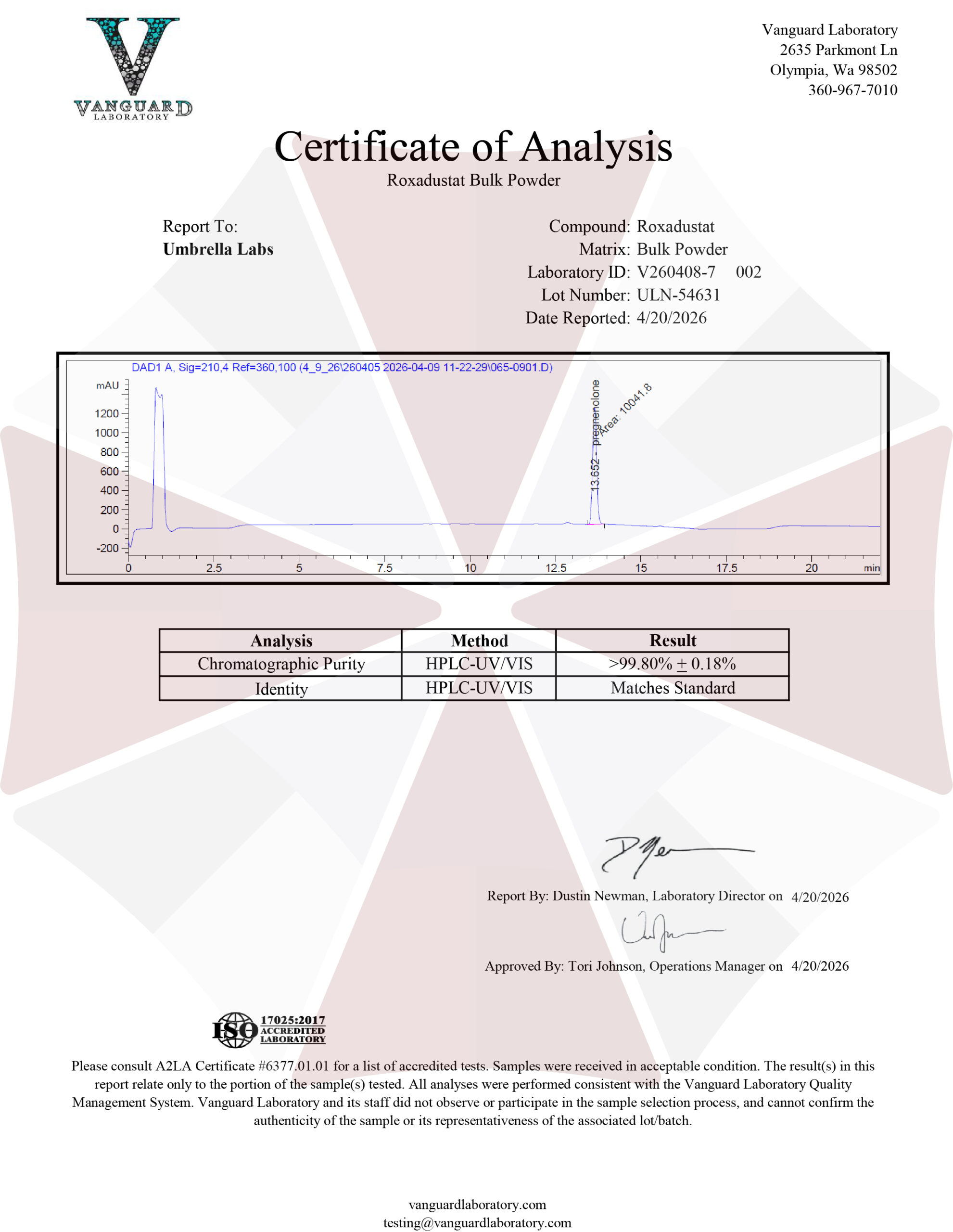
| File Name | View/Download |
| 2026-04-20-Umbrella-Labs-Roxadustat-Certificate-of-Analysis-COA.pdf |  |
VIEW CERTIFICATES OF ANALYSIS (COA)