

Description
Hopantenic Acid Nootropic Powder







| CAS Number | 18679-90-8 |
| Other Names | Homopantothenic acid), N-pantoyl-GABA |
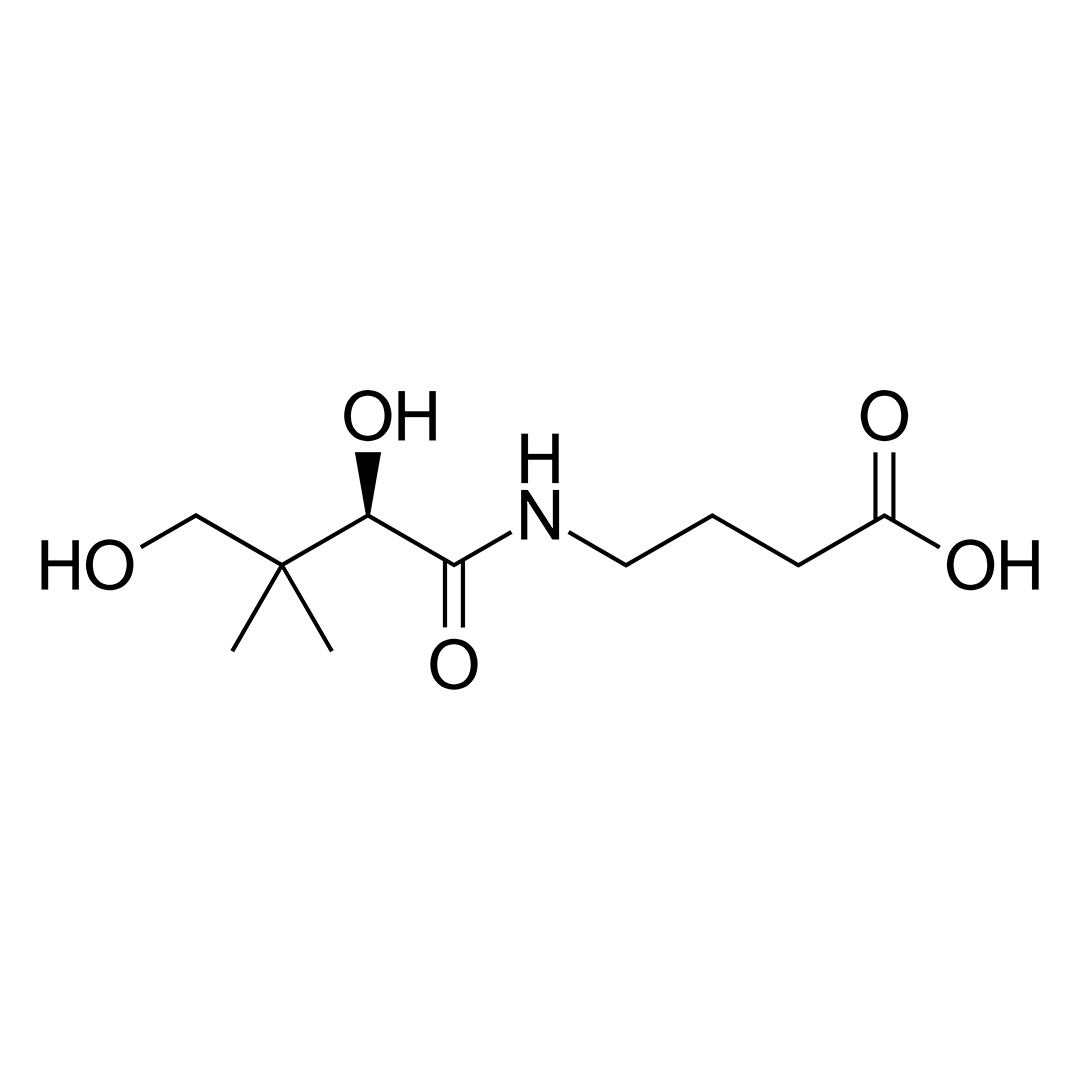
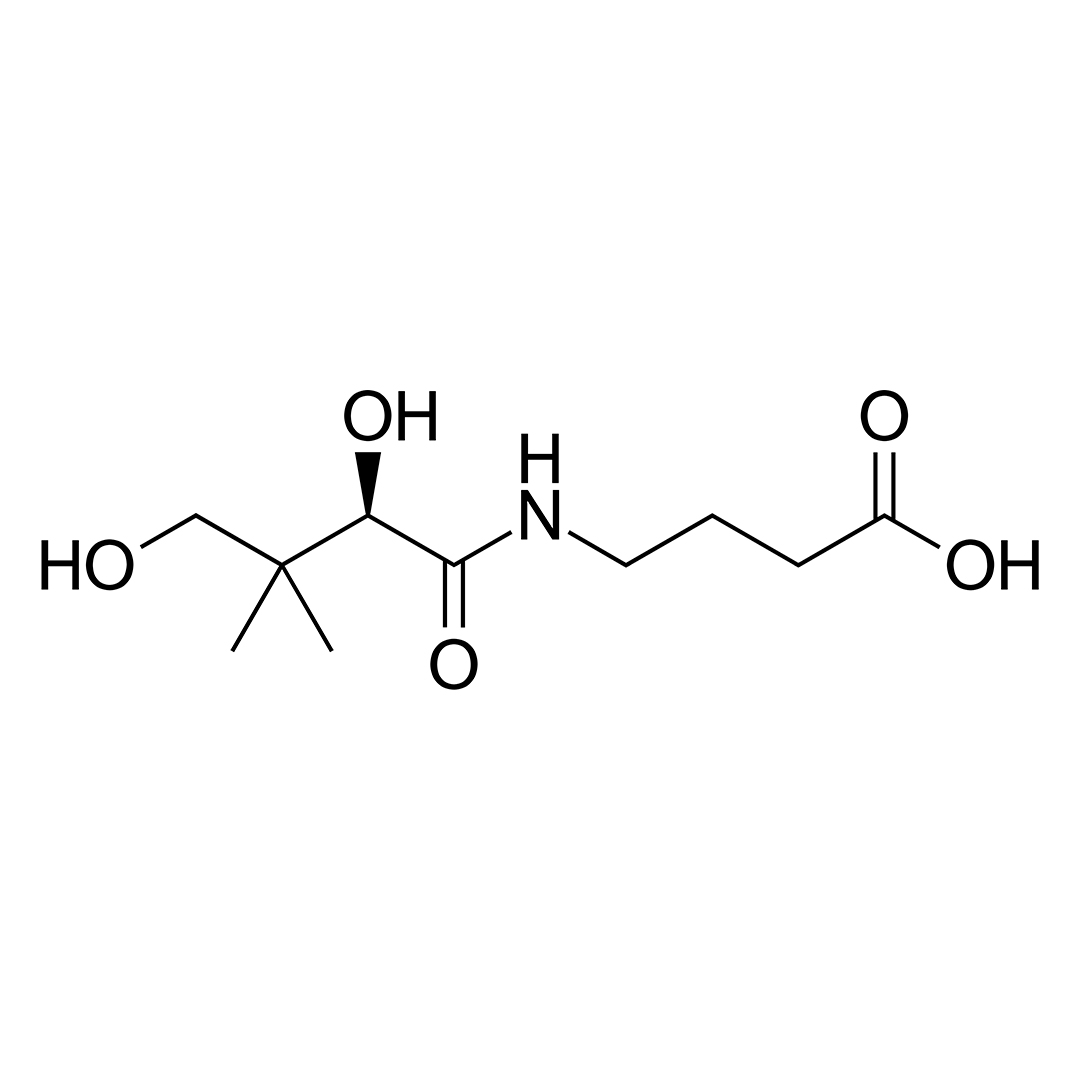
| IUPAC Name |
4-[(2R)-2,4-Dihydroxy-3,3-dimethylbutanamido]butanoic acid
|
| Molecular Formula | C₁₀H₁₉NO₅ |
| Molecular Weight | 233.26 |
| Purity | ≥99% Pure (LC-MS) |
| Liquid Availability | N/A |
| Powder Availability |  N/A |
| Storage | Store in cool dry environment, away from direct sunlight. |
| Terms | All products are for laboratory developmental research USE ONLY. Products are not for human consumption. |
What is Hopantenic Acid?
Hopantenic acid, commonly known as pantogam, is a nootropic compound structurally related to pantothenic acid and the inhibitory neurotransmitter gamma-aminobutyric acid (GABA). It has been widely studied for its potential to improve cognitive function, support neurodevelopment, and protect the brain against metabolic and oxidative stress. Unlike traditional stimulants, hopantenic acid is thought to enhance cognitive performance by modulating GABAergic neurotransmission, improving neuronal energy metabolism, and promoting resistance to hypoxic and excitotoxic injury. Experimental studies have demonstrated that the compound may facilitate learning and memory, enhance attention, and improve neuronal plasticity while simultaneously exhibiting anticonvulsant, anxiolytic, and neuroprotective properties. Clinically, hopantenic acid has been investigated for the treatment of cognitive impairment associated with neurological disorders, developmental conditions, cerebrovascular disease, and age-related cognitive decline. The compound’s favorable safety profile and multimodal mechanisms of action continue to make hopantenic acid a compound of interest in the field of cognitive enhancement and neuroprotection.
Main Research Findings
1) Hopantentate was found to inhibit specific enzymes in the CoA pathways, indicating its potential use in infectious and genetic disease therapies.
2) Hopantenic acid may have the potential to provide clinical and neurodevelopmental improvement across pediatric neurodevelopmental disorders.
Selected Data
1) The study completed by the research team Mostert et al was designed to determine the true molecular mechanism by which hopantenate (HoPan), a pantothenic acid analogue widely used to manipulate coenzyme A (CoA) metabolism, reduces intracellular CoA levels. Previous work suggested that HoPan directly inhibited pantothenate kinase (PanK), the first enzyme in the CoA biosynthetic pathway. To test this hypothesis, the investigators combined biochemical enzyme kinetics, structural biology, chemical synthesis, molecular docking, and cell biology experiments to identify the actual molecular target of HoPan and characterize its mechanism of action [1].
The first stage of the investigation focused on biochemical characterization of HoPan interactions with PanK enzymes. Human PanK1β, human PanK3, and the Drosophila melanogaster PanK homolog (dPANK/FblD) were cloned into bacterial expression vectors, overexpressed in Escherichia coli, purified by nickel-affinity chromatography, and verified for purity using SDS-PAGE. Enzyme activity was measured using a continuous spectrophotometric kinase assay that coupled ADP production to NADH oxidation, allowing catalytic activity to be monitored in real time. Unlike earlier radioactive assays that could not distinguish between substrate turnover and enzyme inhibition, this continuous assay enabled the investigators to determine whether HoPan functioned as a competitive inhibitor or an alternative substrate. Kinetic analyses were performed with varying concentrations of pantothenate, HoPan, and pantetheine, and Michaelis-Menten or Hill equations were fitted to determine kinetic parameters.
To determine whether phosphorylated HoPan affected downstream CoA biosynthesis, the researchers chemically synthesized phospho-hopantenate (P-HoPan). The synthesis involved sequential preparation of HoPan, esterification, phosphorylation, catalytic deprotection, purification by flash chromatography, and structural confirmation using proton, carbon, and phosphorus nuclear magnetic resonance spectroscopy. This purified compound was then tested against purified human and Drosophila phosphopantothenoylcysteine synthetase (PPCS) enzymes. PPCS activity was measured using a continuous pyrophosphate-coupled assay in which pyrophosphate production was linked to NADH oxidation. Reaction rates were monitored in the presence of increasing concentrations of P-HoPan, allowing IC50 values to be determined and converted into inhibition constants [1].
To understand the structural basis of inhibition, purified human PPCS was crystallized in complex with P-HoPan, the nonhydrolyzable ATP analogue AMPPNP, and magnesium ions. Protein crystals were generated using hanging-drop vapor diffusion, and diffraction data were collected at the European Synchrotron Radiation Facility. The crystal structure was solved by molecular replacement using the previously published apo-PPCS structure as a template and with refined resolution. Structural analysis identified ligand-binding interactions, active-site conformations, and catalytic residues responsible for substrate recognition. Complementary molecular docking simulations were then performed to predict cysteine binding within the catalytic pocket and further clarify the PPCS catalytic mechanism.
The biological relevance of these biochemical findings was evaluated using Drosophila Schneider S2 cells, an established model for studying CoA metabolism. RNA interference was used to selectively reduce expression of dPANK or dPPCS, while separate experiments overexpressed these enzymes to determine whether altered expression modified HoPan sensitivity. Cells were treated with HoPan alone or in combination with phosphopantothenate (P-Pan) or phosphopantetheine (P-PantSH), two metabolites located at different positions within the CoA biosynthetic pathway. Rescue experiments assessed cell proliferation and histone acetylation, two established indicators of intracellular CoA availability. The investigators reasoned that if HoPan primarily inhibited PanK, supplementation with P-Pan should bypass the block. Alternatively, if PPCS represented the primary target, only P-PantSH, which bypasses PPCS, would restore normal cellular function. Comparing these rescue patterns with enzyme overexpression experiments provided an independent means of validating the molecular mechanism identified through the biochemical and structural analyses [1].
2) This study performed by the research team of Uttage et al was conducted as a systematic review and meta-analysis to evaluate the efficacy and safety of hopantenic acid in pediatric neurological and neurodevelopmental disorders. The review specifically sought to determine whether hopantenic acid, a selective partial GABA-B receptor agonist with proposed neuroprotective and nootropic properties, improves clinical outcomes in children with neurodevelopmental disorders affecting language, cognition, motor coordination, and social communication [2].
The investigators used combinations of search terms related to hopantenic acid and its commercial formulations, including calcium hopantenate, Pantogam, Pantocalcin, homopantothenic acid, and N-pantoyl-GABA. These were combined with pediatric and disease-specific search terms such as children, adolescents, ADHD, epilepsy, cerebral palsy, developmental delay, cognition, and neurodevelopmental disorders. No language restrictions were imposed, and reference lists of eligible studies and review articles were manually searched to identify additional publications [2].
Strict eligibility criteria were applied during study selection. Only controlled clinical trials, including randomized controlled trials, double-blind placebo-controlled studies, and comparative trials with defined control groups, were eligible. Participants were required to be pediatric or adolescent patients with neurodevelopmental or neurological disorders associated with developmental impairment. Studies evaluating clinically marketed formulations of hopantenic acid, including Pantogam, Pantocalcin, and Pantogam Active, were accepted because of their shared pharmacological mechanism involving GABAergic modulation. Eligible studies also had to report clinical outcomes related to cognition, behavior, neurological function, or developmental improvement. Studies lacking control groups, extractable outcome data, or involving unrelated clinical conditions were excluded. Although one study included adults in addition to adolescents, it was retained because sufficient pediatric-relevant outcome data were available.
After study selection, data extraction was performed independently using standardized forms that collected information regarding study design, participant characteristics, diagnostic criteria, intervention formulation, dosage, treatment duration, comparator therapy, efficacy outcomes, statistical findings, and reported adverse events. Methodological quality was evaluated using the Cochrane Risk of Bias 2 tool for randomized controlled trials and the Newcastle-Ottawa Scale for non-randomized comparative studies. The authors reported that most randomized trials demonstrated a low overall risk of bias, while the non-randomized studies achieved moderate methodological quality scores. These assessments allowed the investigators to consider study quality when interpreting the overall body of evidence [2].
Clinical improvement served as the primary outcome. Because individual studies used different assessment instruments, including DSM-IV ADHD rating scales, Griffiths Mental Development Scales, seizure frequency, neurocognitive batteries, and memory assessments, the investigators standardized outcomes whenever possible into dichotomous responder versus non-responder variables. Responders were defined according to each study’s predetermined criteria, such as at least a 25% reduction in ADHD symptoms, significant seizure reduction, or clinically meaningful developmental improvement. Studies reporting continuous outcomes or multidimensional cognitive assessments that could not be converted into binary outcomes were excluded from the quantitative meta-analysis but remained part of the systematic review through narrative synthesis.
Ultimately, six controlled clinical studies involving 439 pediatric participants met the inclusion criteria. Four studies, comprising 272 participants, provided extractable binary outcome data and were included in the quantitative meta-analysis. The studies evaluated diverse clinical populations, including children with ADHD, hypoxic-ischemic encephalopathy, cerebral palsy, epilepsy with cognitive impairment, partial epilepsy, and anxiety-related breath-holding disorders. Statistical pooling was performed using Review Manager software with a random-effects Mantel-Haenszel model to calculate pooled risk ratios and 95% confidence intervals. A random-effects approach was selected because substantial heterogeneity was anticipated due to differences in patient populations, outcome measures, and study designs. Studies that could not be pooled quantitatively contributed to the narrative synthesis, allowing the investigators to incorporate a broader range of clinical evidence while maintaining statistical rigor [2].
Discussion
1) The study by Mostert et al fundamentally revised the accepted mechanism of action of hopantenate by demonstrating that HoPan is not a direct inhibitor of PanK, but instead serves as an alternative substrate that requires PanK-mediated phosphorylation before inhibiting the downstream enzyme PPCS. This discovery explains decades of experimental observations and provides a more accurate understanding of how HoPan lowers intracellular coenzyme A concentrations [1].
Initial kinetic analyses showed that all three purified PanK enzymes readily phosphorylated HoPan. Human PanK1β, human PanK3, and Drosophila PanK displayed catalytic efficiencies toward HoPan that were only modestly lower than those observed with natural pantothenate. At saturating substrate concentrations, HoPan and pantothenate were phosphorylated at nearly identical rates, indicating that HoPan behaves as a genuine substrate rather than a competitive inhibitor. These findings explained why previous radioactive assays mistakenly interpreted reduced pantothenate phosphorylation as enzyme inhibition, when the enzyme was actually phosphorylating both compounds simultaneously. The investigators also demonstrated that pantetheine served as an even more efficient substrate than pantothenate for certain PanK isoforms, supporting the importance of CoA salvage pathways in regulating CoA metabolism.
After establishing that HoPan undergoes phosphorylation, the researchers evaluated its phosphorylated metabolite, P-HoPan, against PPCS. Enzyme inhibition studies revealed that P-HoPan competitively inhibited both human and Drosophila PPCS, producing micromolar inhibition constants that demonstrated moderate but biologically meaningful potency. These results established PPCS, not PanK, as the principal molecular target responsible for HoPan-induced depletion of CoA biosynthesis [1].
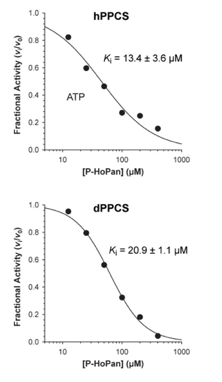
Figure 1: Reduction in PPCS enzymes in both humans and fruit flies following administration of P-HoPan.
Structural analysis provided a detailed explanation for this inhibition. The crystal structure of the mechanism captured PPCS in a fully ordered closed conformation with P-HoPan and AMPPNP bound within the active site. Unlike the natural substrate, P-HoPan adopted an altered orientation caused by its additional methylene group. This conformational difference prevented the carboxylate group from properly attacking ATP to form the required reaction intermediate. Consequently, P-HoPan became trapped within the enzyme as a stable, nonproductive complex, locking PPCS into a precatalytic state and preventing further catalysis. The structure also revealed previously unresolved active-site loops, clarified nucleotide interactions, identified the probable cysteine-binding pocket, and provided mechanistic insight into disease-associated PPCS mutations linked to dilated cardiomyopathy [1].
Cell culture experiments strongly supported the biochemical findings. When Drosophila S2 cells were depleted of PanK using RNA interference, both phosphopantothenate and phosphopantetheine restored normal growth, demonstrating that both metabolites could enter cells and participate in CoA biosynthesis. However, during HoPan treatment only phosphopantetheine effectively rescued cell proliferation and histone acetylation, whereas phosphopantothenate produced little benefit. Since phosphopantetheine bypasses PPCS while phosphopantothenate does not, these findings confirmed that PPCS is the inhibited step during HoPan treatment. Similarly, overexpression of PanK failed to overcome HoPan toxicity, whereas overexpression of PPCS partially restored normal cellular function. These complementary experiments provided independent biological validation of the newly proposed molecular mechanism.
The researchers concluded that HoPan lowers intracellular CoA through a two-step process. First, HoPan competes with pantothenate for phosphorylation by PanK, temporarily slowing formation of phosphopantothenate. Second, once phosphorylated, P-HoPan competitively inhibits PPCS, producing a more sustained blockade of CoA biosynthesis. The magnitude of inhibition depends on several factors, including environmental pantothenate concentrations, PanK catalytic efficiency toward HoPan, inhibitor potency against PPCS, and the availability of CoA salvage pathways capable of bypassing PPCS. These findings indicate that HoPan-induced phenotypes are considerably more complex than previously appreciated and that past studies interpreting HoPan solely as a PanK inhibitor should be reconsidered. Beyond redefining HoPan biology, the work establishes a framework for developing future CoA-directed therapeutics and antimicrobial agents by targeting PPCS rather than PanK [1].
2) The systematic review performed by Uttage et al identified six controlled clinical trials enrolling a total of 439 participants with a variety of pediatric neurological and neurodevelopmental disorders. Three studies employed double-blind placebo-controlled designs, while three were comparative clinical trials. Treatment duration ranged from six weeks to four months, and the disorders investigated included ADHD, hypoxic-ischemic encephalopathy with psychomotor delay, cerebral palsy, partial epilepsy, epilepsy accompanied by cognitive impairment, and anxiety-related breath-holding spells. Four studies, representing 272 participants, contained sufficient binary outcome data for quantitative meta-analysis [2].
Across the individual studies, hopantenic acid consistently demonstrated favorable clinical effects. In children with ADHD, treatment produced higher responder rates than placebo after four months of therapy and significantly improved disease severity, sustained attention, and functional impairment across family, school, self-concept, and behavioral domains while maintaining a tolerability profile similar to placebo. Infants with hypoxic-ischemic encephalopathy who received hopantenic acid exhibited significantly greater improvements in psychomotor development than those receiving placebo, particularly in personal-social functioning, object manipulation, hearing and speech development, motor activity, and visual-motor coordination. Benefits appeared especially pronounced among late preterm infants.
Children with cerebral palsy also demonstrated measurable cognitive improvements following treatment. Participants receiving hopantenic acid alongside standard therapy achieved significantly greater normalization of memory scores on the Luria test than controls and showed improvements in visual memory, concentration, and anxiety. However, visual-motor performance did not significantly differ between treatment groups. In epilepsy, hopantenic acid functioned effectively as adjunctive therapy. Children with epilepsy and cognitive impairment experienced significant reductions in cognitive deficits, improvements in learning and neurocognitive testing, and electroencephalographic normalization without any increase in seizure frequency. A separate randomized placebo-controlled study involving partial epilepsy demonstrated a 72.1% reduction in seizure frequency with hopantenic acid compared with only 16.7% in the placebo group. Participants additionally experienced improvements in long-term memory, anxiety symptoms, and quality of life [2].
Among children with anxiety-related breath-holding spells, hopantenic acid treatment resulted in substantially higher clinical improvement rates than psychological correction alone. Approximately 73% of treated patients demonstrated clinical improvement compared with fewer than 17% of controls. Anxiety symptoms decreased significantly, while electroencephalographic analysis suggested improved brain maturation through reductions in slow-wave activity. Collectively, the narrative synthesis indicated that hopantenic acid produced improvements across multiple developmental domains encompassed by the authors’ LCMS framework, including language development, attention, memory, cognitive processing, motor coordination, behavioral regulation, emotional stability, social functioning, and adaptive learning abilities.
Safety outcomes were consistently favorable throughout the included studies. Across all six trials, adverse events were generally mild, transient, and comparable to placebo. Commonly reported side effects included occasional rhinitis, drowsiness, and hyperexcitability, none of which required dose modification. Importantly, no treatment-related serious adverse events were reported, and hopantenic acid did not increase seizure frequency in pediatric epilepsy populations, supporting its favorable neurological safety profile. Nevertheless, the authors emphasized that the available evidence remains insufficient to characterize uncommon or long-term adverse effects because of relatively small sample sizes and limited follow-up periods [2].
The quantitative meta-analysis demonstrated an overall statistically significant benefit of hopantenic acid compared with control therapy. Pooled analysis using a random-effects model yielded a risk ratio of 2.13, indicating that treated participants were more than twice as likely to achieve clinically meaningful improvement. However, considerable heterogeneity was present, reflecting differences in disorders studied, outcome measures, and study methodologies. Subgroup analyses revealed the strongest treatment effects in epilepsy and anxiety disorders, moderate benefits in hypoxic-ischemic encephalopathy, and relatively modest or statistically nonsignificant benefits in ADHD. Consequently, the authors concluded that although hopantenic acid appears promising across several pediatric neurological conditions, the evidence should be interpreted cautiously because of methodological variability, geographic concentration of studies, and limited sample sizes. They recommended larger, multicenter randomized controlled trials using standardized neurodevelopmental outcome measures to establish long-term efficacy and safety [2].
Disclaimer
**LAB USE ONLY**
*This information is for educational purposes only and does not constitute medical advice. THE PRODUCTS DESCRIBED HEREIN ARE FOR RESEARCH USE ONLY. All clinical research must be conducted with oversight from the appropriate Institutional Review Board (IRB). All preclinical research must be conducted with oversight from the appropriate Institutional Animal Care and Use Committee (IACUC) following the guidelines of the Animal Welfare Act (AWA).
Citations
[1] Mostert KJ, Sharma N, van der Zwaag M, et al. The Coenzyme A Level Modulator Hopantenate (HoPan) Inhibits Phosphopantotenoylcysteine Synthetase Activity. ACS Chem Biol. 2021;16(11):2401-2414. doi:10.1021/acschembio.1c00535
[2] Uttage PR, Boddu DB, Majhi SK, et al. Efficacy and Safety of Hopantenic Acid in Pediatric Neurological and Developmental Disorders: A Systematic Review and Meta-Analysis. Cureus. 2026;18(7):e112111. Published 2026 Jul 5. doi:10.7759/cureus.112111
Hopantenic Acid is sold for laboratory research use only. Terms of sale apply. Not for human consumption, nor medical, veterinary, or household uses. Please familiarize yourself with our Terms & Conditions prior to ordering.
| File Name | View/Download |
| Coming Soon! |  |
VIEW CERTIFICATES OF ANALYSIS (COA)